



10 Tips for Choosing Windows and Front Doors?

Choosing windows and front doors is not merely a design decision. It affects comfort, security, energy use, maintenance, and the character of your home. A narrow hallway may need a glazed front door for daylight. A wind-exposed bedroom may need stronger frames and better weather seals. Small details matter.

Building-science consultant Steve Easley puts it plainly: “A window is only as good as its installation.” That reminder should guide every choice in this article. Even a premium product can leak air when the opening is measured poorly. A beautiful door can also feel disappointing if its threshold allows drafts or water.

These 10 tips for choosing windows and front doors will examine materials, glass, frame performance, hardware, style, sizing, and installation quality. They will also consider how each choice works in real life. Think about muddy shoes, afternoon glare, children pulling handles, and winter condensation. Product labels can look impressive. Your daily experience may tell a different story.

There is no universal best option. Vinyl, timber, aluminium, and composite frames each involve trade-offs. Triple glazing may improve comfort, but it can increase weight and cost. A dramatic entrance may impress visitors, yet require more upkeep than expected. I have found that homeowners often focus on appearance first. That is understandable, but it can lead to expensive compromises.

Use this guide as a practical starting point. Check local climate conditions, verify independent performance ratings, and ask installers for precise details. Good decisions come from balancing beauty, durability, budget, and honest expectations.
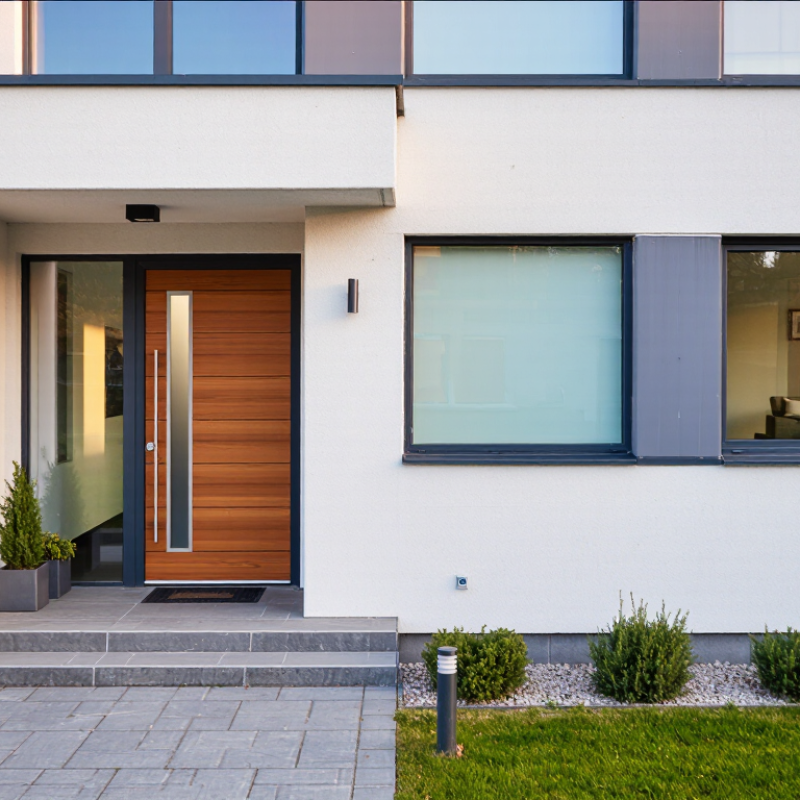
10 Tips for Choosing Windows and Front Doors?

Define Your Home’s Functional and Architectural Requirements

10 Tips for Choosing Windows and Front Doors

Define Your Home’s Functional and Architectural Requirements

Choosing windows and front doors starts with how your home works, not how a showroom looks. Walk through each room at different times of day. Note glare, drafts, street noise, privacy, and difficult cleaning spots. A south-facing room may need wider shading, while a shaded hallway may benefit from clearer glass.

Match each opening to its daily purpose. Bedrooms often need reliable ventilation and emergency egress. Bathrooms require privacy without sacrificing daylight. A front door should support secure locking, weather resistance, and easy movement for furniture or mobility equipment. Measure the rough opening carefully, including wall depth and floor height. Small errors can create expensive installation problems.

Architectural fit matters just as much. A simple façade can look confused with overly decorative frames. Traditional masonry may suit divided panes, while a modern elevation may need larger, quieter openings. Consider sightlines from the sidewalk and from inside the home. Hardware should feel comfortable in wet or cold conditions. Local building codes may control glazing, ventilation, energy performance, and door swing, so confirm requirements with a qualified professional. Some assumptions fail here. A beautiful oversized window can reduce furniture flexibility, increase heat gain, or weaken privacy. Fresh measurements and honest priorities are more valuable than a perfect showroom display.

Compare Window and Door Materials, Styles, and Energy Ratings

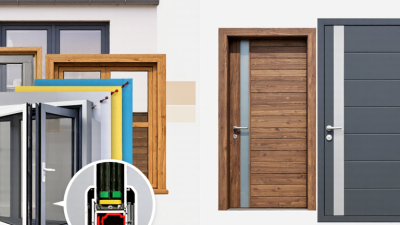
Choosing windows and front doors becomes easier when materials, style, and energy ratings are considered together. In renovation projects, I have found that vinyl windows offer low maintenance and stable performance. Wood provides warmth and can suit traditional homes, but it needs regular sealing. Fiberglass resists warping and handles temperature changes well. Aluminum looks slim and modern, yet it may transfer heat without a thermal break.

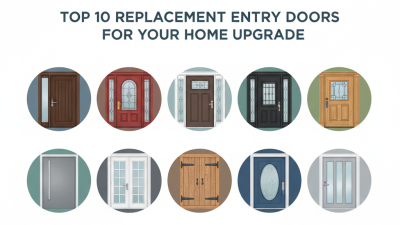
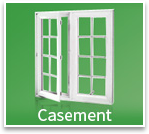
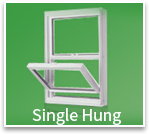
Style should support the building, not compete with it. Casement windows often provide strong ventilation and tight closure. Double-hung designs are practical for classic façades and easier cleaning. For front doors, insulated steel offers security and durability, while fiberglass can imitate wood grain with less upkeep. Solid wood feels substantial, but moisture can cause swelling. Measure carefully.

Energy ratings deserve close attention. A low U-factor means better resistance to heat loss. Solar heat gain coefficient matters in sunny rooms. Air leakage ratings can reveal uncomfortable drafts around frames. Look for tested performance data, not vague efficiency claims. Local climate changes the best choice.

I once focused too much on appearance and underestimated afternoon sun. The room became hotter than expected. That mistake still influences my recommendations. Installation quality matters as much as the product. Even an efficient window performs poorly when flashing, shims, or seals are neglected. A qualified installer should explain these details clearly and provide written specifications.

Evaluate Security, Durability, Maintenance, and Weather Resistance

Choosing windows and front doors requires more than matching colors or architectural style.

In renovation inspections, I look for performance details first.

Tip 1: Check multi-point locks and reinforced strike plates.
Tip 2: Test every latch before installation.
Tip 3: Prefer laminated or tempered glass where impact risks exist.
Tip 4: Examine frame joints for gaps, warping, or weak corners.

Small defects matter. A beautiful door can still feel unsafe if the frame flexes during closing.

Weather resistance protects comfort and long-term value.

Tip 5: Look for tested air, water, and wind resistance ratings.
Tip 6: Inspect weatherstripping around the entire opening, especially lower corners.
Tip 7: Choose suitable glazing for your local climate and sun exposure.
Tip 8: Confirm proper drainage channels in window frames.

During heavy rain, blocked channels can send water toward interior walls.

I once saw this overlooked detail cause peeling paint within one season. That mistake was avoidable.

Durability also depends on maintenance, not only materials.

Tip 9: Ask whether hinges, seals, screens, and hardware can be replaced easily.
Tip 10: Read the maintenance instructions before approving the design.

Some finishes require gentle cleaning, while others show scratches quickly.

Keep a small inspection routine: check seals each spring, clear drainage paths, and test locks after extreme weather.

I would not rely on appearance alone.

Specifications can sound impressive, yet installation quality often decides the real result.

Measure Openings, Review Installation Options, and Check Building Codes

Accurate measurements are the quiet foundation of a successful window or front-door project. Measure each opening in three places: top, middle, and bottom. Record the smallest width and height, not the average. Check the jamb depth, sill condition, and surrounding wall for damage. For a front door, measure the slab, frame, threshold, and swing clearance. Do not trust old plans. Walls can move, settle, or hide previous repairs. I once found a narrow opening behind thick trim, which changed the order size. Small errors become expensive delays.

Installation choices also deserve careful review. A full-frame replacement may expose hidden rot and provide better control over flashing. An insert installation can reduce disturbance, but it may leave damaged framing untouched. Ask how the installer will seal corners, manage water, and protect interior finishes. Details matter. Before ordering, check local building codes and permit requirements with the relevant authority. Rules may address emergency escape windows, safety glazing, energy performance, door width, threshold height, and weather resistance. Requirements can vary by building type and location. Written approval is safer than an assumption. An experienced installer should explain these points clearly and document the proposed method. I still leave room for doubt; a neat measurement sheet cannot reveal every problem inside a wall.

Set a Realistic Budget and Select Reliable Products and Installers

Choosing windows and front doors starts with a budget that reflects real conditions, not showroom optimism. Measure each opening carefully, including trim, sill depth, and access routes. Then request itemized quotes for products, delivery, removal, preparation, and installation. A realistic reserve of 10–15% can cover damaged plaster, uneven walls, or unexpected structural repairs. These problems are common in older homes.

Prioritize performance before decorative features. Check the frame material, glazing specification, weather seals, locking system, ventilation, and expected maintenance. Ask for independent test reports and clear warranty terms. A lower price may hide thin hardware or poor thermal performance. However, the most expensive option is not automatically the best choice. I once focused too heavily on appearance and underestimated the cost of matching interior trim. That mistake changed how I compare quotes.

An installer deserves the same scrutiny as the product. Look for relevant experience, written contracts, proof of insurance, and recent customer references. Ask who will complete the work and whether subcontractors are involved. A dependable installer explains the fitting sequence, protects floors, checks the openings, and removes waste properly. Request a written schedule and payment stages tied to completed work. Be cautious when someone demands full payment upfront. Visit a completed project if possible. Speak with the homeowner, not only the salesperson. Even careful planning can miss something, so keep decisions documented and question unclear promises.