





2026 Best Types of Home Entry Doors for Global Buyers
Choosing the best home entry doors in 2026 requires more than comparing colors, prices, and showroom photographs. Global buyers face different climates, construction methods, security expectations, and maintenance habits. A door that performs well in Canada may swell in Southeast Asia or fade under strong Mediterranean sunlight. This guide examines fiberglass, steel, solid wood, aluminum, glass, and engineered composite options with practical details for real homes.
Experience shows that the entrance should match the building, not merely follow a design trend. A heavy oak door can create warmth and authority, but it may need regular sealing. Steel offers strength and stable performance, although poor insulation can create a cold interior surface. Fiberglass often balances appearance, durability, and energy efficiency. Aluminum suits modern architecture, yet its thermal performance depends heavily on the frame and insulation system.
Details matter.
We will consider weather resistance, thermal comfort, sound control, security hardware, repair needs, and installation quality. Independent product testing, manufacturer specifications, and advice from qualified local installers should guide the final decision. Regional standards also differ, so buyers should verify requirements before ordering. Even experienced professionals can overlook drainage, threshold height, or the direction of seasonal rain. That is worth admitting. The “best” door is not always the most expensive or fashionable choice; it is the one that remains reliable after years of opening, closing, cleaning, and exposure. With careful comparison, international homeowners can choose an entrance that feels welcoming while supporting comfort, safety, and long-term value.
Door Styles and Their Architectural Applications
2026 Best Types of Home Entry Doors for Global Buyers
Door Styles and Their Architectural Applications
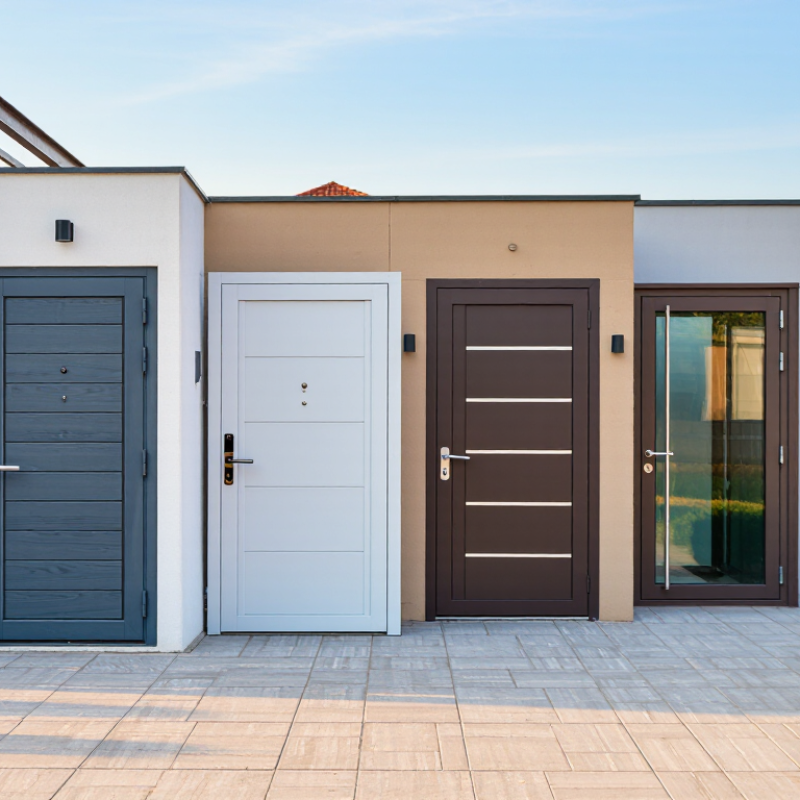
A pivot door suits wide, contemporary façades with generous entrance halls. Its broad movement creates a strong arrival experience, but it needs careful floor alignment. A flush door supports minimalist architecture by keeping the surface visually quiet. It works well with concrete walls, dark window frames, and flat rooflines. Proportions matter. An oversized door can make a small façade feel awkward.
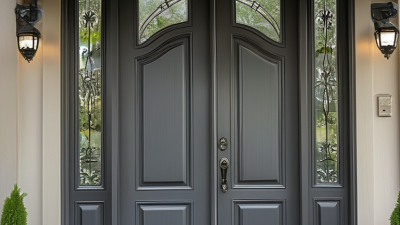
Panelled timber doors complement traditional, craftsman, and country homes. Their raised sections add depth beside brick, stone, or rendered walls. In humid regions, engineered timber may offer more dimensional stability than untreated solid wood. However, construction quality matters more than appearance alone. Poorly sealed joints can swell after repeated rain. That detail is easy to overlook.
Glazed entry doors help narrow urban homes receive daylight. Low-emissivity glass can reduce heat transfer, while laminated glazing improves impact resistance. For coastal properties, corrosion-resistant hardware is a sensible specification. In colder climates, insulated cores and compression seals deserve close attention. Site inspections often reveal gaps beneath the threshold, even on attractive installations. I would not select a door from photographs alone. Local wind exposure, drainage, accessibility, and cleaning habits should shape the final style. A traditional door may be more practical than a fashionable one when maintenance access is limited.
2026 Best Types of Home Entry Doors for Global Buyers - Door Styles and Their Architectural Applications
| Door Type | Typical Door Style | Suitable Architectural Applications | Common Construction Materials | Main Advantages | Important Limitations | Typical Configuration | Global Buyer Considerations |
|---|---|---|---|---|---|---|---|
| Solid Timber Door | Panel, plank, or traditional carved door | Traditional, colonial, craftsman, farmhouse, Mediterranean, and heritage homes | Engineered or solid hardwood, softwood core, glazing, protective coatings | Natural appearance, good repairability, strong acoustic mass, and design flexibility | Can absorb moisture, expand or contract, and requires regular sealing or repainting | Single, double, or door with sidelights; inward or outward swing | Confirm moisture content, timber treatment, threshold design, and local protection requirements before installation |
| Engineered Wood Door | Contemporary flush, veneer panel, or minimalist entry door | Modern, Scandinavian, transitional, and energy-conscious residential architecture | Laminated timber, wood veneer, composite cores, insulation, and weather-resistant skins | More dimensionally stable than many solid-wood constructions and supports consistent finishes | Damage to the exterior skin can allow moisture entry; quality varies by core and edge sealing | Single leaf, pivot, or paired doors with concealed hardware options | Check the product’s tested exposure rating, edge protection, and compatibility with local humidity levels |
| Fiberglass Composite Door | Wood-look panel, shaker, craftsman, or smooth contemporary | Suburban, coastal, new-build, transitional, and low-maintenance homes | Fiberglass-reinforced polymer skins, insulated foam core, composite rails, and glazing | Resists rot, rust, and many weather effects; generally offers good thermal performance | Deep scratches can be difficult to repair, and low-quality finishes may fade or imitate wood poorly | Single, double, half-lite, full-lite, and sidelights | Compare whole-door U-value, air leakage, water resistance, and tested finish durability rather than panel material alone |
| Insulated Steel Door | Smooth slab, modern panel, or traditional raised panel | Contemporary, industrial, utility-focused, apartment, and high-traffic residential entrances | Galvanized or coated steel skins, polyurethane or polystyrene insulation, wood or composite frame | High strength, stable geometry, strong security potential, and relatively low maintenance | Dents may be visible; exposed cuts or damaged coatings can lead to corrosion | Single or double doors, often with reinforced lock blocks and multipoint hardware | Specify corrosion protection for coastal or humid climates and verify the door, frame, and hardware as a complete assembly |
| Aluminum Entry Door | Slim-frame, glass-panel, pivot, or minimalist framed door | Modern, biophilic, tropical, coastal, and high-glazing architectural homes | Thermally improved aluminum profiles, insulated panels, low-emissivity glazing, and powder coating | Lightweight, corrosion-resistant when correctly finished, slim, and suitable for large glazed areas | Conducts heat unless thermally broken; finish and drainage details are important in severe climates | Single, double, sliding, or pivot configurations | Request thermal-break details, coating specifications, glass safety classification, and salt-air suitability where applicable |
| Full-Glass Entry Door | Framed or frameless minimalist glass door | Modern, luxury, gallery-inspired, urban, and indoor–outdoor residential designs | Tempered or laminated safety glass, aluminum, stainless steel, wood, and engineered hardware | Maximizes daylight and visual connection; textured or tinted glass can improve privacy | Privacy, solar gain, impact resistance, and thermal performance require careful specification | Single or double swing door, commonly with sidelights or a glazed screen | Use safety glazing where required, confirm opening direction, and select glass according to wind, impact, and climate conditions |
| Pivot Entry Door | Oversized statement, flush, sculptural, or asymmetrical door | Contemporary villas, luxury residences, grand modern entrances, and large foyer designs | Aluminum, steel, engineered timber, glass, stone-look panels, and concealed pivot hardware | Accommodates wide and tall leaves while creating a strong architectural focal point | Requires accurate structural preparation, specialized hardware, and more clearance than a standard hinge door | Single oversized leaf with an offset or central pivot point | Verify structural loads, wind pressure, accessibility clearances, weather seals, and hardware adjustment requirements |
| Double / French Entry Door | French, symmetrical panel, or glazed paired door | Classical, European, Georgian, Mediterranean, farmhouse, and formal residential architecture | Timber, fiberglass, steel, aluminum, insulated panels, and safety glazing | Creates a broad ceremonial opening and balanced façade composition | More perimeter joints can increase air and water leakage if alignment and weatherstripping are poor | Active and inactive leaves, with optional sidelights or transom | Confirm clear opening width, astragal design, door coordination, and local accessibility requirements |
| Sliding Entry Door | Contemporary glazed slider, barn-inspired, or pocket-style entrance | Compact urban homes, courtyard houses, tropical residences, and indoor–outdoor layouts | Aluminum, steel, timber, composite panels, insulated glazing, and stainless-steel rollers | Saves swing space and can provide a wide visual opening to a courtyard, terrace, or garden | Track drainage, seals, security locking, and threshold detailing are critical for exterior exposure | One or more sliding leaves; surface-mounted, lift-and-slide, or pocket installation | Check structural opening requirements, roller load ratings, drainage, insect-screen options, and wind-pressure performance |
| Arched Entry Door | Round-top, gothic, elliptical, or segmental-arched door | Mediterranean, Spanish, Romanesque, Gothic revival, Moroccan, and heritage-inspired homes | Timber, steel, fiberglass, aluminum, masonry surrounds, and decorative glazing | Adds a distinctive façade feature and works well with curved architectural openings | Non-standard geometry can increase surveying, manufacturing, installation, and replacement complexity | Single or double hinged door, often with a matching arched frame or transom | Provide a precise site template, finished-opening dimensions, swing direction, and drainage details before production |
| Security-Rated Entry Door | Reinforced modern, secure panel, or discreet residential security door | Urban residences, detached homes in high-security locations, and controlled-access properties | Reinforced steel or aluminum, laminated glazing, composite cores, multipoint locks, and reinforced frames | Can improve resistance to forced entry when the complete tested assembly is correctly installed | May be heavier, more expensive, and less visually transparent; ratings vary by test standard | Hinged single or double door with reinforced frame and high-security locking system | Compare recognized regional test classifications and evaluate the door, frame, hinges, cylinder, glazing, and installation together |
| Storm- and Impact-Resistant Door | Reinforced glazed, panel, or coastal contemporary door | Cyclone-, hurricane-, typhoon-, and severe-wind-exposed coastal regions | Reinforced aluminum, steel, fiberglass, laminated impact glazing, and heavy-duty hardware | Designed to resist specified wind loads and flying-debris impacts when tested as an assembly | Higher cost and weight; performance is not transferable between regions without checking the applicable standard | Single, double, or door-and-sidelight systems with reinforced anchorage | Select the door according to the project’s wind zone, pressure rating, impact requirement, water penetration test, and local code |
Related Posts
-
Best Home Entry Doors in China for Global Buyers?
-
How to Choose the Perfect Home Entry Doors for Security and Style
-
Top 10 Stylish Home Entry Doors to Enhance Your Curb Appeal Today
-
What is the Best Material for Home Entry Doors and Why It Matters
-
Top 10 Best Windows and Front Doors for Energy Efficiency?
-
What is the Best Home Entry Doors for Global Buyers?