What Are the Top Types of Windows and Front Doors?
Choosing between windows and front doors is rarely a simple style decision. A bright picture window may suit a coastal living room, while a compact casement window may perform better in a windy neighborhood. Your front door must also balance appearance, security, insulation, and daily use.
Dr. Joseph Lstiburek, a respected building-science expert, makes the point clearly: “A good window poorly installed is a bad window.” That warning applies to front doors, too. Even a high-quality fiberglass door can leak air when its frame is poorly sealed. Small details matter, such as a continuous weatherstrip, a correctly fitted threshold, and low-expansion foam around the opening.
This guide explores the top types of windows and front doors for different homes, climates, and budgets. It considers casement, double-hung, sliding, awning, picture, and specialty windows. It also compares wood, vinyl, aluminum, steel, and fiberglass door options. Glass selection receives attention, including double glazing, low-emissivity coatings, and impact-resistant designs.
No single product wins every situation. A large glass area can invite daylight but may increase summer heat. A solid front door can improve privacy but reduce natural light. I have also seen attractive installations fail because homeowners focused on appearance first. That choice is understandable, but it deserves reconsideration.
Reliable decisions come from matching products with wall orientation, local weather, maintenance expectations, and installation quality. The best windows and front doors should feel attractive, quiet, secure, and comfortable long after the showroom impression fades.
Main Types of Windows and Their Key Features
Main Types of Windows and Their Key Features
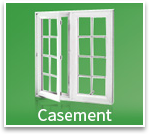
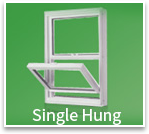
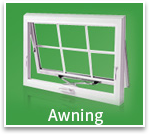
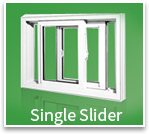
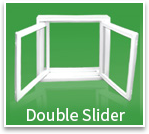
Window selection begins with operation, not appearance. Double-hung windows move vertically and suit traditional rooms with limited exterior space. Casement windows open outward with a crank, creating strong ventilation and a tighter seal when closed. Sliding windows move horizontally and need less clearance, but their moving seals may demand closer maintenance. Picture windows provide wide, fixed views and excellent daylight, though they cannot ventilate. Awning windows hinge at the top, allowing airflow during light rain.
According to the U.S. Department of Energy, windows can represent 25% to 30% of residential heating and cooling energy use. That figure makes glass performance important. Look for a low U-factor in cold climates and a suitable solar heat gain coefficient in sunny regions. The National Fenestration Rating Council explains that these ratings should be compared together, not separately. A low U-factor is not automatically the best choice. Room orientation matters. So does shading.
Tips: Check the opening direction beside furniture and walkways. Confirm visible light, air leakage, and water resistance ratings. For front doors, insulated cores and well-fitted weatherstripping reduce drafts. The ENERGY STAR residential windows criteria also emphasize climate-based performance. A practical detail is often missed: installation quality can weaken excellent glass. Recheck the rough opening, flashing, and sill slope. No window is perfect.
Common Window Materials, Styles, and Operating Designs
What Are the Top Types of Windows and Front Doors?
Window and front-door choices affect comfort, daylight, security, and maintenance. Material matters first. Vinyl frames resist moisture and need little painting, while aluminum offers slim profiles and strong structural support. Wood provides warmth and can suit traditional homes, but it needs regular sealing. Fiberglass balances stability and appearance, although its upfront cost may be higher. No material is perfect.
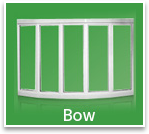
Common window styles include double-hung, casement, sliding, awning, and fixed designs. Double-hung windows move vertically and work well in bedrooms. Casement windows open outward, often improving ventilation. Sliding windows need less clearance but may provide a smaller opening. Check the U-factor and solar heat gain coefficient before buying. These ratings help compare insulation and sunlight control. Yet, a good rating cannot correct poor installation.
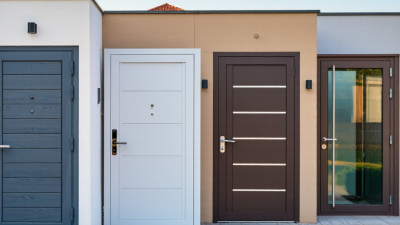
Front doors commonly use wood, steel, fiberglass, or glass combinations. Steel doors can feel solid and offer dependable security, but damaged finishes may rust. Fiberglass resists warping and suits damp climates. Wood creates a welcoming entrance, though seasonal movement is real. Door operation also matters. A hinged door needs clear floor space, while a pivot design creates drama but may waste usable entry space. Add weatherstripping, a strong threshold, and properly fitted hinges. Small gaps around the frame can defeat an otherwise excellent door. I would measure twice, especially in older homes, because walls are rarely as straight as expected.
Popular Front Door Types and Their Main Characteristics
Front doors shape a home’s first impression, but their materials affect daily comfort. Wood doors provide natural grain, warmth, and strong visual character. They can be repaired and refinished when scratched. However, wood may swell, crack, or fade in damp weather. Maintenance is real. Fiberglass doors imitate wood while resisting moisture, insects, and temperature changes. They suit busy households that prefer predictable performance.
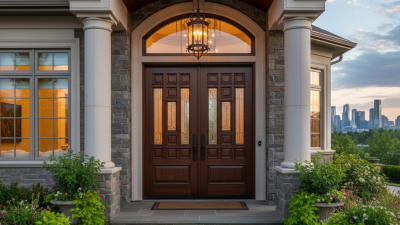
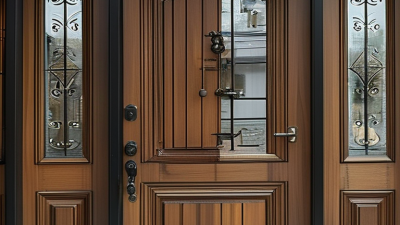
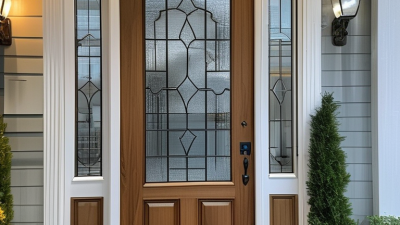
Steel doors offer excellent strength and usually provide good value. Their solid cores can also improve insulation and reduce outside noise. Still, damaged coatings may allow rust, especially near coastal areas. Glass-panel doors bring daylight into dark entryways. Frosted or textured glass improves privacy without removing natural light. Full glass designs feel open, but they may require stronger curtains and careful energy planning. Double doors create a generous entrance for furniture and guests, while pivot doors deliver a dramatic appearance and wide opening. They need accurate installation.
From practical experience, door performance often depends more on fitting than appearance.
Check the frame, threshold, hinges, weather seals, and drainage path. Small gaps can create cold drafts and water stains. A professional installer should verify wall conditions and local building requirements. I once focused too heavily on the door slab and overlooked the threshold. That small mistake caused noticeable air leakage. Security also depends on the lock, frame strength, lighting, and clear visibility around the entrance. No type is perfect; climate, maintenance habits, and budget should guide the choice.
How to Choose Windows and Front Doors for a Home
What Are the Top Types of Windows and Front Doors?
Choosing windows and front doors should begin with climate, orientation, and daily use. Casement windows seal tightly and catch breezes. Double-hung windows suit traditional rooms and allow easy ventilation. Awning windows work well above sinks because rain can stay outside. Sliding windows save space, but their seals need careful inspection. The U.S. Department of Energy estimates that windows cause 25–30% of residential heating and cooling energy use. Therefore, compare U-factor, solar heat gain coefficient, and air-leakage ratings before judging appearance.
Front doors also affect comfort and security. Insulated fiberglass doors resist moisture and usually need limited maintenance. Steel doors provide strong insulation and a firm feel, but damaged finishes can rust. Wood doors offer warmth and character, although they need more upkeep in wet climates. Choose low-emissivity glazing when the entrance receives intense sun. Check the frame, threshold, weatherstripping, and installation gap. A high-performing door can still leak air when fitted poorly. I have seen attractive entrances feel cold because installers ignored the threshold.
Tips: Read the National Fenestration Rating Council label. ENERGY STAR reports that certified windows can reduce household energy bills by about 12% on average. Verify the figure for your climate zone. Measure the opening twice, and question unusually low quotes. No choice is perfect. A smaller window may improve efficiency but reduce daylight. Test the handles, inspect corner seals, and request written performance data before ordering.
Comparing Performance, Security, Maintenance, and Cost
What Are the Top Types of Windows and Front Doors?
Comparing Performance, Security, Maintenance, and Cost
Choosing windows and front doors requires more than comparing appearance. Performance begins with insulation, weather resistance, and controlled ventilation. Double-glazed casement windows usually seal tightly and reduce drafts. Triple glazing improves comfort in colder climates, but adds weight and cost. Sliding windows save space, although their moving seals may allow more air leakage over time. Awning windows can protect ventilation openings during light rain.
Front doors face stronger security demands and frequent contact. A solid insulated door generally offers better thermal performance than a large glazed door. Laminated glass can resist impact better than ordinary glass. Strong hinges, reinforced frames, and a reliable multipoint lock matter just as much as the door material. A beautiful door with a weak frame is still a weak entrance.
Maintenance varies noticeably. Timber needs regular sealing, especially around exposed edges. Fiberglass and reinforced composite materials usually require less upkeep, but damaged finishes can be difficult to repair invisibly. Aluminum frames are durable, though poor thermal breaks may create cold interior surfaces. Installation quality affects every measurement, including energy ratings and security. Field inspections often find gaps around frames, not product defects. That detail is easy to miss. Initial cost should include fitting, trim, glazing upgrades, and future maintenance. Cheap rarely stays cheap. A careful site measurement and written performance data provide more dependable value than a dramatic showroom display. I would still question any promise of zero maintenance.
What Are the Top Types of Windows and Front Doors?
Comparing performance, security, maintenance, and cost
Scores are indicative industry comparisons on a 1–5 scale, where 5 represents stronger performance, security, or easier maintenance. Cost is scored inversely: a higher score indicates a lower typical installed cost. Actual results vary with frame material, glazing, hardware, size, installation quality, climate, and local labor rates.