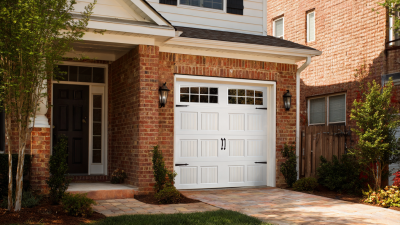
2026 Top Types of Windows and Front Doors for Global Buyers

Choosing windows and front doors for a global project involves more than comparing attractive photographs. Climate, building style, security needs, energy performance, and local installation practices can change the best option completely. A slim aluminum window may suit a coastal apartment, while a timber entrance door may feel warmer in a traditional home. Neither choice works everywhere.

This guide explores the top types of windows and front doors expected to interest global buyers in 2026. It considers uPVC, aluminum, timber, composite, sliding, folding, casement, tilt-and-turn, pivot, and insulated door systems. Each type offers practical strengths, but every product has limitations. That matters.

Reliable decisions begin with clear specifications. Buyers should examine frame thickness, glazing configuration, thermal values, drainage design, hardware quality, and finish durability. In rainy regions, poor drainage can damage an otherwise beautiful frame. In hot climates, low-e glass and external shading may matter more than oversized glazing. For busy streets, laminated glass and multi-point locks can improve comfort and security.

Supplier experience also deserves careful attention. Ask for project references, test reports, warranty terms, installation guidance, and replacement-part support. Certificates can help, but they do not replace careful technical review. A product may perform well in a laboratory and disappoint when installed incorrectly. That uncomfortable gap deserves attention.

The following overview is designed to help architects, developers, contractors, and homeowners compare products more confidently. It does not promise one perfect solution. Instead, it connects design preferences with measurable performance, practical maintenance, and dependable sourcing. Good choices start with accurate questions.

2026 Top Types of Windows and Front Doors for Global Buyers

Window and Front Door Types: A Practical Classification for Global Buyers

2026 Top Types of Windows and Front Doors for Global Buyers

Window and front door selection becomes clearer when products are classified by operation, climate response, and installation purpose. Fixed windows provide daylight with minimal air leakage, while casement and awning windows support controlled ventilation. Sliding windows suit compact rooms, but their tracks need regular cleaning. Tilt-and-turn systems offer two opening positions and can improve ventilation in changing weather. They are not ideal for every wall condition.

Front doors usually fall into hinged, double-leaf, pivot, and sliding categories. Hinged doors remain practical for most entrances because their seals and hardware are familiar to installers. Pivot doors create a wide, impressive opening, yet their weight demands accurate floor support. Sliding doors save swing space, although exposed tracks may collect dust and water. Glazed panels improve visibility, but buyers should check safety glazing, drainage, and privacy performance.

Energy performance deserves careful attention. The U.S. Department of Energy estimates that windows can contribute 25–30% of household heating and cooling energy use. The 2023 Global Status Report for Buildings and Construction also identifies buildings as responsible for about 30% of global energy demand. These figures make glazing, frame material, air sealing, and installation quality important purchasing criteria. Regional standards differ. A certified test report is more useful than a vague “energy-saving” claim. No classification is perfect. Product choice should match the wall opening, local exposure, maintenance capacity, and installer experience.

Top Window Styles for Different Climates, Buildings, and Uses

Choosing windows and front doors by climate prevents costly comfort problems. The U.S. Department of Energy’s Energy Saver guidance reports that windows can cause 25–30% of residential heating and cooling energy use. In hot, sunny regions, select low solar-heat-gain glass, exterior shading, and tight frames. Awning windows can ventilate during light rain. They are not ideal in every storm.

Cold climates need low U-values, insulated frames, and often triple glazing. The International Energy Agency identifies building envelopes as a major energy-efficiency opportunity, making glass selection important beyond appearance. In humid areas, operable windows should support cross-ventilation while resisting water intrusion. Casement designs usually seal better than loose sliding units, but hardware needs regular adjustment.

Urban buildings require another decision. Laminated glazing can reduce outside noise and improve security, while still admitting daylight. For coastal or high-wind locations, buyers should verify tested pressure ratings and installation requirements, not rely on visual thickness. Front doors need insulated cores, compression seals, durable thresholds, and compatible weather protection. North American buyers can compare U-factor and solar heat gain coefficient through National Fenestration Rating Council procedures; other markets may use regional standards. On-site inspections often find gaps around the frame, not defective glass. A perfect specification is rare. Installation quality may matter more than one extra glazing layer.

Leading Front Door Designs, Materials, and Opening Systems

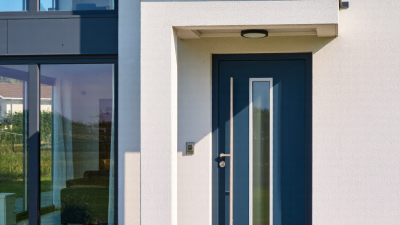
Front door selection now combines visual character, thermal performance, and practical opening systems. The 2024 UNEP Global Status Report for Buildings and Construction states that buildings consume about 32% of global energy. This makes insulated entrances more than decorative features. A solid timber door offers warmth and texture, while fiberglass resists moisture and repeated impact. Thermally broken aluminum supports slim frames and large glazed panels. uPVC remains practical where cost and low maintenance matter.

Design should follow the building, not fashion alone. Hinged doors suit compact entrances and provide dependable sealing. Pivot doors create a dramatic threshold, but they require accurate floor alignment and stronger structural support. Sliding and folding systems improve wide openings, although their tracks need frequent cleaning. The U.S. Department of Energy estimates that windows can account for 25–30% of residential heating and cooling energy use. Therefore, low-emissivity glazing, insulated cores, and well-fitted gaskets deserve close attention.

Opening direction also affects safety, weather exposure, and accessibility. Multi-point locking can improve compression around the frame, but installation quality remains decisive. Poor alignment wastes expensive hardware. Regional wind, rain, humidity, and solar exposure should guide material choices. European Standard EN 14351-1 and ISO 10077-1 offer useful performance frameworks, yet local codes still control final specifications. I would not treat any material as universally superior. A beautiful door can still feel cold, noisy, or difficult to operate when the surrounding wall performs poorly.

Energy Efficiency, Security, Durability, and Maintenance Compared

2026 Top Types of Windows and Front Doors for Global Buyers

Energy Efficiency, Security, Durability, and Maintenance Compared

For global buyers, window selection should begin with climate, not appearance. Double-glazed windows suit many temperate regions, while triple glazing can reduce heat loss in colder areas. Low-emissivity glass helps control indoor temperature and sunlight. However, glazing alone cannot fix a poorly sealed frame. In field inspections, small installation gaps often caused noticeable drafts near corners. Air leakage matters.

Casement windows usually provide tighter seals than many sliding designs because their sashes press against the frame. Sliding windows are convenient, but their tracks collect dust and may reduce sealing performance over time. Tilt-and-turn systems offer ventilation and cleaning access, although their hardware needs careful adjustment. For front doors, insulated steel or fiberglass cores can improve thermal stability. Solid timber feels warm and strong, yet it may swell, shrink, or require repeated protective coating.

Security depends on the complete assembly. Look for reinforced frames, multi-point locking systems, laminated or impact-resistant glazing, and strong hinges. A secure lock is not enough. Thresholds should also resist forced movement and water entry. Durability varies with coastal salt, ultraviolet exposure, humidity, and temperature changes. Powder-coated metal generally needs little care, while timber demands more attention. Maintenance is unavoidable. Clean drainage channels, inspect seals, lubricate approved hardware, and check door alignment annually. I would not promise zero maintenance; that claim is unrealistic. A practical choice balances energy savings, reliable security, long service life, and the owner’s willingness to inspect small defects before they become expensive repairs.

2026 Top Types of Windows and Front Doors for Global Buyers — Energy Efficiency, Security, Durability, and Maintenance Compared

Product Type Typical Construction Energy Efficiency Security Performance Expected Service Life Maintenance Requirement Weather and Durability Notes Best-Suited Applications
Windows
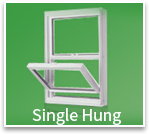
Double-Hung Window Two vertically sliding sashes, commonly with insulated glass and vinyl, timber, aluminum, or composite frames. Typical whole-window U-factor: about 0.25–0.45 Btu/h·ft²·°F when fitted with low-emissivity double glazing. Lower values indicate better insulation. Moderate to high when equipped with reinforced locks, secure keeper plates, laminated glass, and anti-lift sash features. Approximately 20–40 years, depending on frame material, hardware quality, climate, and installation. Low to moderate. Clean tracks, inspect weather seals, lubricate hardware, and repaint timber frames when required. Convenient ventilation and easy cleaning from inside. Sliding seals may wear sooner than those on compression-seal windows. Traditional homes, multi-story residences, rooms requiring controlled top-and-bottom ventilation, and replacement projects.
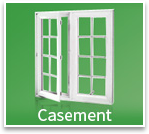
Casement Window Side-hinged sash operated by a crank or handle; the sash closes against a continuous compression seal. Typical whole-window U-factor: about 0.20–0.35 Btu/h·ft²·°F with modern insulated low-e glazing. Often more airtight than sliding designs. High when fitted with multi-point locking hardware, laminated glass, and reinforced hinge-side components. Approximately 25–40 years; operating hardware may require earlier adjustment or replacement. Low to moderate. Inspect compression seals, keep hinges and operators clean, and check alignment periodically. Strong resistance to air leakage and driving rain when correctly installed. Exposed hardware should be corrosion-resistant in coastal areas. Cold or windy climates, energy-conscious homes, high-level ventilation, and modern residential façades.
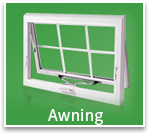
Awning Window Top-hinged sash that opens outward, usually with a crank mechanism and sealed insulated glass unit. Typical whole-window U-factor: about 0.20–0.35 Btu/h·ft²·°F; the compression seal can provide good air tightness. Moderate to high with multi-point locks and laminated or security glazing. Approximately 25–40 years with suitable maintenance of operators and seals. Low to moderate. Clean the operator mechanism and inspect seals, hinges, and frame drainage paths. Can remain partially open during light rain. Wind-exposed installations require correctly sized hardware and secure anchoring. Bathrooms, kitchens, upper-level ventilation, and climates where ventilation during light rain is desirable.
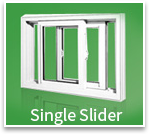
Horizontal Sliding Window One or more sashes slide horizontally on rollers or tracks; commonly manufactured with vinyl or aluminum frames. Typical whole-window U-factor: about 0.30–0.50 Btu/h·ft²·°F. Performance depends heavily on interlocking meeting rails and weather seals. Moderate. Upgradeable with auxiliary locks, anti-lift blocks, laminated glass, and reinforced frames. Approximately 15–30 years; rollers and seals are common replacement items. Low. Tracks should be vacuumed and cleaned, drainage openings kept clear, and rollers adjusted when needed. Space-efficient and easy to operate, but sliding seals generally provide less compression than casement seals. Compact rooms, balconies, low-clearance locations, and warm or moderate climates.
Tilt-and-Turn Window Multi-function sash that tilts inward for ventilation and turns inward for full opening and cleaning. Typical whole-window U-factor: about 0.20–0.35 Btu/h·ft²·°F with insulated frames and low-e double or triple glazing. High when using multi-point perimeter locking and laminated or impact-resistant glazing. Approximately 25–40 years; specialized hardware should be serviced according to the installer’s schedule. Moderate. Requires periodic lubrication, seal inspection, and correct adjustment of multi-point hardware. Good air and water resistance when properly manufactured and installed. The inward opening requires clear interior space. High-performance homes, apartments, noise-sensitive rooms, and buildings needing secure ventilation.
Fixed or Picture Window Non-operable frame containing insulated glazing; available in vinyl, timber, aluminum, or composite systems. Typical whole-window U-factor: about 0.18–0.35 Btu/h·ft²·°F; the absence of operating joints can improve air tightness. High against forced opening because there is no operable sash; glazing remains the key security consideration. Approximately 30–50 years, although insulated glass seals may eventually require replacement. Very low. Clean the glazing and inspect perimeter sealants and frame drainage details. Usually offers excellent air infiltration performance. Large panes may require laminated or heat-treated glass for safety and impact resistance. Panoramic views, daylighting, stairwells, commercial façades, and locations where ventilation is provided elsewhere.
Triple-Glazed Window Three panes separated by sealed insulating spaces, usually combined with low-e coatings and insulated frames. Typical whole-window U-factor: about 0.15–0.25 Btu/h·ft²·°F. Can substantially reduce conductive heat loss in cold climates. High when paired with laminated glass, robust frames, and multi-point locking; extra panes do not automatically guarantee forced-entry resistance. Approximately 25–40 years; sealed glass units and hardware are the principal long-term service points. Low to moderate. Routine cleaning and seal inspection are required; heavier sashes may need hardware adjustment. Excellent thermal and acoustic performance, but higher weight and cost require suitable structural support and professional installation. Cold climates, high-performance buildings, traffic-noise locations, and projects targeting low heating demand.
Front Doors
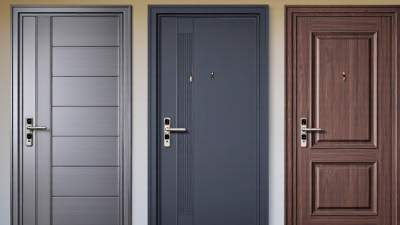
Insulated Steel Front Door Steel skins over a polyurethane or other insulating core, commonly mounted in a weather-sealed frame. Typical door U-factor: about 0.15–0.30 Btu/h·ft²·°F, depending on glazing, core thickness, frame, and threshold design. High when fitted with a reinforced frame, long screws into structural framing, a high-quality deadbolt, and multi-point locking. Approximately 20–40 years. The slab may last longer indoors or in sheltered locations. Low. Inspect paint, edges, weather-stripping, hinges, threshold seals, and areas exposed to moisture. Strong and dimensionally stable. Scratches or exposed steel should be repaired promptly to reduce corrosion risk, especially in coastal climates. Security-focused entrances, cold or mixed climates, apartment buildings, and value-oriented residential projects.
Fiberglass-Composite Front Door Molded fiberglass-reinforced skin over an insulated foam core, often designed to resemble painted or stained wood. Typical door U-factor: about 0.15–0.30 Btu/h·ft²·°F when combined with insulated glazing and a thermally improved frame. High with a reinforced jamb, security hinges, quality deadbolt, multi-point lock, and impact-rated glazing where required. Approximately 25–50 years with appropriate installation and maintenance. Low. Clean periodically, maintain the finish, and replace worn weather-stripping or threshold seals. Resists warping, dents, moisture, and many temperature changes better than conventional solid wood. Finish color and exposure affect long-term appearance. High-performance homes, humid or variable climates, and buyers seeking low maintenance with a wood-like appearance.
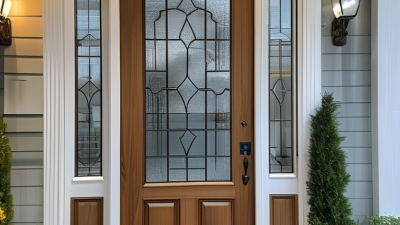
Solid Wood Front Door Engineered or solid timber slab, often combined with a wood frame, decorative panels, and optional insulated glazing. Typical door U-factor: about 0.25–0.50 Btu/h·ft²·°F; performance varies widely with thickness, panel design, glazing, and weather seals. Moderate to high with a substantial frame, reinforced strike plate, long fasteners, quality deadbolt, and laminated glass. Approximately 20–60 years when protected and regularly refinished; neglected doors can deteriorate much sooner. Moderate to high. Requires inspection for moisture movement, repainting or refinishing, seal maintenance, and periodic hardware adjustment. Offers natural appearance and repairability but can swell, shrink, warp, or crack when exposed to prolonged moisture or strong solar changes. Heritage homes, premium entrances, sheltered porches, and projects prioritizing natural materials and craftsmanship.
Thermally Broken Aluminum Front Door Aluminum exterior and interior sections separated by a low-conductivity thermal barrier, usually with insulated glazing. Typical door U-factor: about 0.20–0.40 Btu/h·ft²·°F, depending on the thermal break, glazing ratio, frame depth, and threshold. Moderate to high. Performance improves with reinforced profiles, concealed or multi-point locks, laminated glass, and secure frame anchoring. Approximately 30–50 years; hardware, seals, and surface coatings may need servicing earlier. Low. Clean the surface, inspect drainage and seals, and lubricate hardware according to the maintenance schedule. Resists rot and insect damage and performs well in many humid environments. Untreated or unsuitable finishes may be vulnerable to coastal salt exposure. Contemporary architecture, large glazed entrances, humid climates, and buildings requiring slim sightlines.
Composite or Engineered Front Door Multi-layer construction combining engineered timber, polymer or fiberglass components, insulation, and weather-resistant exterior skins. Typical door U-factor: about 0.15–0.30 Btu/h·ft²·°F when the slab, frame, glazing, and threshold are designed as a complete system. High when supplied with a reinforced frame, multi-point lock, secure hinges, and safety-rated glazing. Approximately 25–50 years, depending on materials, finish quality, exposure, and hardware. Low to moderate. Clean surfaces, inspect seals, maintain finishes, and periodically adjust locking hardware. Generally stable against moisture and temperature changes. Product composition varies, so documented testing and installation quality are important. Energy-efficient renovations, exposed entrances, humid or variable climates, and buyers seeking balanced performance.
Glazed Front Door with Laminated Safety Glass Steel, fiberglass, wood, aluminum, or composite door incorporating laminated glass; glazing may be partial or full-height. Typical door U-factor: about 0.20–0.45 Btu/h·ft²·°F. More glass generally increases heat transfer unless high-performance insulated glazing is used. High when laminated or impact-rated glass is combined with a reinforced door and multi-point locking. Laminated glass tends to remain attached to its interlayer after breakage. Approximately 20–50 years, mainly determined by the door material, frame, glazing seals, and hardware. Low to moderate. Clean glass and frames, inspect glazing seals, and maintain locking and weather-sealing components. Provides daylight and visibility. Solar-control coatings, insulated glass, and privacy layers may be useful in hot or highly exposed orientations. Entryways requiring daylight, visibility, architectural appeal, and improved resistance to accidental glass breakage.
Technical notes: U-factor values are indicative whole-unit ranges expressed in Btu/h·ft²·°F; lower values indicate better thermal insulation. Actual performance depends on glazing, frame material, spacer, hardware, threshold, installation quality, air leakage, and local climate. Service-life estimates are broad industry planning ranges rather than warranties. For international projects, verify the applicable local test standards, wind-load requirements, water penetration class, air leakage rating, fire regulations, and security certification before purchase.

How to Choose Suitable Windows and Front Doors for International Projects

For international projects, choose windows and front doors by climate, orientation, and building codes. UNEP’s 2023 Global Status Report states that buildings used about 34% of global energy in 2022. This makes thermal performance a practical design priority. In hot regions, low solar-gain glazing can reduce afternoon heat. In cold climates, triple glazing and insulated frames may improve comfort. IEA research also projects cooling demand to rise sharply by 2050. Shading deserves attention too. A well-placed overhang can outperform expensive glass upgrades.

Casement windows usually provide tighter seals than basic sliding windows. Tilt-and-turn systems offer ventilation and easier maintenance. Sliding doors suit balconies, but their larger joints require careful air and water testing. For front doors, insulated cores, thermal breaks, weather seals, and corrosion-resistant finishes matter. Coastal sites need stronger hardware and better salt-spray resistance. Mountain projects require verified wind-load performance.

Ask for whole-product data, not only center-glass figures. Request U-value, solar heat gain coefficient, air leakage, water penetration, acoustic ratings, and tested dimensions. ISO 10077-1 supports thermal calculations, while EN 14351-1 addresses window and external door performance. A low U-value is not always the winner. It may increase overheating risks in sunny rooms. I still see projects choosing attractive frames before checking local installation skills. That is an expensive mistake. Test the whole assembly. Confirm warranties, replacement parts, and site-specific installation details before ordering.

2026 Top Types of Windows and Front Doors for Global Buyers

Material thermal conductivity benchmark for selecting suitable windows and front doors in international projects. Lower values indicate less heat conduction through the material itself.

Representative reference values: aluminum approximately 205 W/m·K, steel approximately 50 W/m·K, fiberglass approximately 0.35 W/m·K, uPVC approximately 0.17 W/m·K, and softwood approximately 0.12 W/m·K. Actual whole-window or whole-door performance also depends on frame geometry, glazing, insulation cores, air leakage, weather seals, and installation quality.