




10 Best Entry Doors for Global Buyers in 2026?

Choosing entry doors in 2026 is no longer only about color, price, or a polished showroom appearance. Global buyers now compare thermal performance, security hardware, weather resistance, maintenance, and installation support. The U.S. Department of Energy identifies windows and doors as important parts of a home’s energy envelope. ENERGY STAR guidance also stresses proper sealing, low air leakage, and climate-appropriate performance. Small gaps around a frame can create cold drafts, moisture marks, and higher energy bills.

Market reports from Grand View Research, Fortune Business Insights, and Research and Markets indicate continued growth in the global doors market, driven by renovation, urban housing, and demand for energy-efficient building products. However, broad market figures can hide practical differences between regions. A fiberglass door may suit a humid coastal home, while insulated steel can offer stronger value in a colder market. Wood still delivers warmth and character, but it needs disciplined finishing and regular inspection. Nothing is maintenance-free.

Building scientist Joseph Lstiburek often repeats a simple warning: “Water is the enemy.” That principle matters at the threshold, where rain, wind, foot traffic, and temperature changes meet. Our selection of the 10 Best Entry Doors for Global Buyers in 2026 considers those real conditions. It also examines U-values, air leakage, threshold design, locking systems, warranties, and installation quality. Some rankings remain debatable. That is intentional. A beautiful door can fail when its frame is poorly fitted, and a cheaper model may win when local service is stronger. Reliable buying decisions need evidence, not showroom confidence.
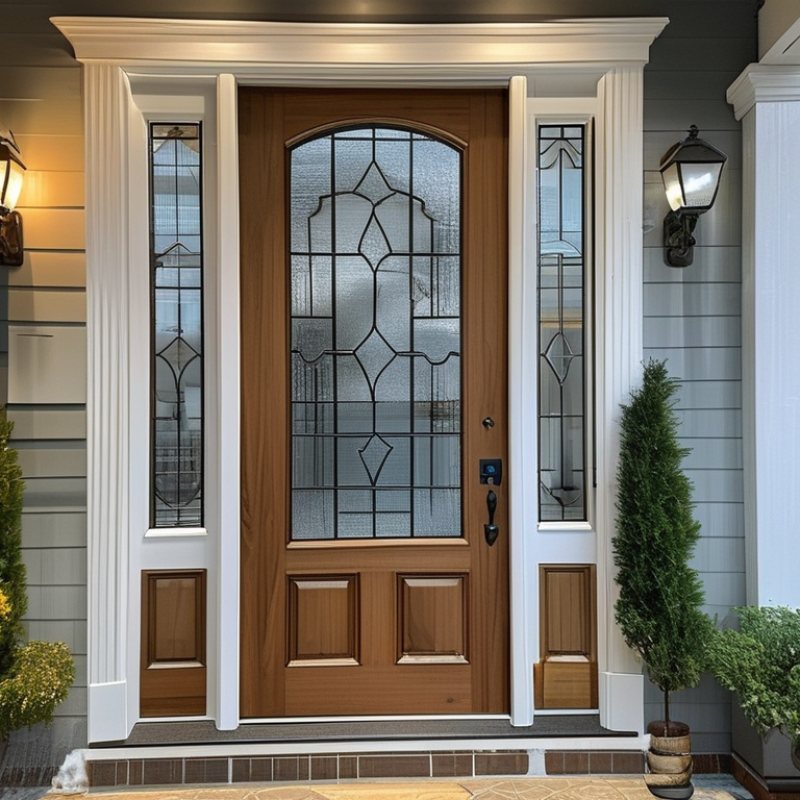
10 Best Entry Doors for Global Buyers in 2026?

What Defines the Best Entry Doors for Global Buyers in 2026

What defines the best entry doors for global buyers in 2026? Performance must come before appearance. A strong door should resist rain, heat, wind, insects, and repeated daily use. It should also fit regional building practices. In coastal areas, corrosion-resistant hardware matters. In cold climates, low thermal transmittance matters more. The International Energy Agency reports that buildings use about 30% of global final energy. Therefore, insulated door cores, reliable weather seals, and accurate installation can reduce unwanted heat loss. Small gaps matter.

Security also requires measurable design, not dramatic marketing. Buyers should review tested resistance ratings, multi-point locking options, impact-resistant glazing, and hinge protection. EN 14351-1 and ISO 10077-1 provide useful references for performance and thermal calculations. However, standards differ by market. A certified result in one region may not satisfy another authority. That detail is often overlooked. Accessibility deserves equal attention, including clear opening width, threshold height, lever force, and smooth operation. A beautiful door that is difficult to open is not the best door.

Tips: Request complete test reports, not only product claims. Check U-values, air leakage, water resistance, and wind-load results. Confirm the door’s dimensions before ordering. Ask who handles local installation and after-sales service. Do not choose the lowest price automatically. Yet, the most expensive option may still be wrong for your climate. I would leave room for review, because real performance depends on installation quality, maintenance, and local weather.

Key Materials and Construction Types for International Entry Doors

Choosing an entry door for international use begins with climate, not appearance. Fiberglass doors resist moisture, dents, and seasonal movement, making them practical for humid coasts. Steel provides strong security and a stable surface, but exposed edges can rust without proper protection. Solid wood offers warmth and repairability. It needs careful sealing, especially in rainy or highly variable climates.

Construction type affects performance as much as material. Insulated panel doors usually reduce heat transfer better than thin, hollow slabs. A prehung unit includes the frame, hinges, and weather seals, which can simplify installation when openings are accurately measured. A door slab offers more flexibility during replacement but demands greater site skill. Aluminum frames suit modern designs, yet thermal breaks are important in cold regions. Poorly designed frames can create interior condensation.

Small details matter. Check the threshold height, drainage path, hinge strength, and compression of the weatherstrip. Out-swinging doors may save indoor space, while local wind exposure can influence hardware and frame selection. Standards differ between countries, so confirm fire, accessibility, energy, and security requirements with a qualified local professional. No material wins everywhere. Even a well-specified door can perform poorly after rushed installation. That is an uncomfortable reality worth allowing for in the budget.

10 Best Entry Doors for Global Buyers in 2026? - Key Materials and Construction Types for International Entry Doors

Indicative specifications for international residential and light-commercial entry doors. Actual performance depends on dimensions, glazing, hardware, installation, local codes, and certified test results.
Rank Door Material / Construction Typical Core or Frame Typical Thermal Performance
Approx. U-Value*
Weather & Climate Suitability Security Potential Maintenance Main Advantages Key Purchasing Checks for Global Buyers
1 Insulated Fiberglass Composite Door Fiberglass-reinforced skins over polyurethane or polystyrene foam, usually with reinforced lock and hinge zones. Approx. 0.8–1.5 W/m²·K
door slab; configuration-dependent
Suitable for hot, cold, humid, and coastal areas when correctly sealed. High potential with multi-point locking and reinforced hardware zones. Low Good insulation, dimensional stability, realistic wood-look finishes, and resistance to rot. Verify skin thickness, foam density, water-drainage design, UV resistance, and certified air/water-load results.
2 Insulated Steel Security Door Galvanized or coated steel skins around a polyurethane, mineral-wool, or polystyrene core. Approx. 1.0–1.8 W/m²·K
thermal breaks and edge design matter
Strong choice for temperate and cold climates; use corrosion-protected finishes near the sea. Very high potential with reinforced frames, protected cylinders, and tested locking systems. Low to medium High impact resistance, consistent dimensions, broad availability, and strong fire-rated options. Check galvanizing or coating system, salt-spray evidence, thermal bridging, hinge protection, and local fire certification.
3 Engineered Solid-Wood Door Layered hardwood or softwood construction with moisture-resistant cores, veneers, and insulated panels. Approx. 1.2–2.0 W/m²·K
varies with thickness and glazing
Best in dry or moderate climates; needs careful sealing in humid and high-rainfall regions. High potential with substantial thickness, quality frame anchoring, and multi-point locks. Medium to high Natural appearance, repairability, acoustic comfort, and a premium architectural feel. Confirm certified timber origin, moisture content, seal coverage on all edges, movement tolerances, and refinishing requirements.
4 Thermally Broken Aluminum Door Powder-coated or anodized aluminum frame and panels separated by polyamide thermal barriers. Approx. 1.0–1.8 W/m²·K
whole-door value depends heavily on glazing
Excellent for sunlight, rain, and coastal exposure when the finish and drainage are specified correctly. High potential with laminated glazing, reinforced profiles, and multi-point locking. Low Slim sightlines, large opening sizes, design flexibility, recyclability, and good dimensional stability. Do not select non-thermally broken profiles for conditioned buildings; check finish class, drainage, gaskets, and condensation performance.
5 uPVC Multi-Chamber Door Multi-chamber extruded PVC profiles, galvanized steel reinforcement, insulated panels, and compression seals. Approx. 1.0–1.6 W/m²·K
whole-door result depends on panel and glass
Good for wet, cold, and moderate climates; protect from prolonged extreme solar exposure with suitable profiles. Medium to high with steel reinforcement and certified locking hardware. Low Cost-effective insulation, corrosion resistance, easy cleaning, and good airtightness when installed properly. Check reinforcement continuity, profile weatherability, color stability, weld quality, seal replacement options, and recycling provisions.
6 Composite Timber-Resin Door Engineered timber or wood-fiber core combined with resin-based skins, weatherproof coatings, and insulated panels. Approx. 0.8–1.5 W/m²·K
product geometry and glazing affect results
Suitable for variable climates when edges, thresholds, and coatings are moisture protected. High potential with a rigid frame and tested multi-point hardware. Low to medium Combines a wood-like appearance with improved stability and insulation compared with many traditional solid-wood doors. Request water absorption data, edge-sealing details, coating warranty, repair method, and compatibility with local frames.
7 Aluminum-Framed Glazed Entry Door Thermally broken aluminum frame with double or triple insulating glass; laminated glass is used where security is prioritized. Approx. 1.2–2.2 W/m²·K
whole-door value is glazing-sensitive
Well suited to modern buildings and sunny regions; specify solar-control glass in hot climates. Medium to high with laminated safety glass, secure beads, and multi-point locks. Low Natural daylight, visual openness, slim profiles, and flexible glass specifications. Check safety-glazing compliance, solar heat-gain coefficient, glass replacement method, threshold drainage, and privacy requirements.
8 WPC or Wood-Plastic Composite Door Wood-plastic composite skins or profiles over an insulated, reinforced, or cellular core. Approx. 1.0–1.8 W/m²·K
depends on core density and panel thickness
Good moisture resistance for humid regions; expansion and solar-heating behavior must be engineered carefully. Medium to high when reinforced with steel or aluminum and fitted with tested hardware. Low Low water absorption, reduced repainting needs, and useful resistance to rot and insects. Verify UV stabilization, thermal expansion allowance, fire behavior, recycled-content claims, and fastening details.
9 Fire-Rated Steel or Timber Door Set Steel or solid/engineered timber leaf with fire-resistant core, tested frame, intumescent seals, and self-closing hardware. Often approx. 1.5–2.5 W/m²·K
fire-rated construction can reduce insulation
For apartment corridors, protected escape routes, utility areas, and buildings requiring fire separation. High, subject to the complete tested doorset rather than the leaf alone. Medium Provides controlled fire resistance and smoke-sealing options where building regulations require them. Buy a complete certified doorset; confirm fire-resistance period, smoke-control classification, closer type, glazing limits, and installation rules.
10 High-Performance Insulated Door with Smart Access Insulated steel, fiberglass, aluminum, or composite leaf combined with electronic lock, keypad, biometric, or connected access components. Approx. 0.8–1.8 W/m²·K
door material remains the main thermal factor
Suitable for most climates if electronics are rated for the local temperature, humidity, and rain exposure. High potential; retain a mechanical emergency key or other independent override. Low to medium Convenient access management, temporary codes, activity records, and integration with building security systems. Check regional radio approvals, electrical supply, battery life, cybersecurity support, offline operation, data protection, and emergency access.
* Thermal-performance note: U-values are indicative ranges expressed in W/m²·K. Lower values generally indicate better insulation. International buyers should request independently verified whole-door test reports under the applicable local or regional standard, such as EN 14351-1, NFRC procedures, or relevant national building regulations.
Global sourcing checklist: Confirm rough-opening dimensions, handing, threshold height, wind-load requirements, water penetration, air leakage, acoustic rating, safety glazing, fire classification, corrosion protection, packaging, installation instructions, spare parts, and destination-country compliance before placing an order.

Top Entry Door Designs for Different Climates and Building Styles

In 2026, entry doors must match both climate and architectural character. The UNEP Global Status Report for Buildings and Construction reported that buildings consumed about 32% of global energy in 2022. A well-sealed entrance can reduce unwanted drafts, especially in homes with frequently opened doors. The U.S. Department of Energy identifies air leakage as a major source of heating and cooling loss. Small gaps matter.

For hot, sunny regions, insulated fiberglass or engineered timber doors with shaded glazing help limit heat transfer. A deep canopy protects finishes from intense rain and ultraviolet exposure. In cold climates, choose a thermally broken frame, insulated core, and multi-point compression seals. Triple glazing may help, but it can increase weight and hardware demands. Coastal homes need corrosion-resistant fittings and tested impact assemblies, while wet tropical buildings benefit from raised thresholds, ventilated porch layouts, and moisture-stable materials.

Style should guide the surface, not replace performance. Flush panels suit modern concrete buildings, while recessed panels and natural textures complement traditional masonry. In compact urban apartments, a slim vision panel can improve daylight without weakening privacy. For rural or alpine homes, a solid door with restrained glazing usually feels more appropriate and protects against wind-driven snow.

No material wins everywhere. A beautiful timber door may swell in persistent humidity. A heavy metal door can feel cold and industrial. Review local wind, rainfall, solar exposure, and maintenance conditions before ordering. Verify the whole assembly, not only the slab, against applicable performance standards and local building requirements.

Security, Energy Efficiency, Durability, and Smart Features Compared

10 Best Entry Doors for Global Buyers in 2026?

Choosing an entry door for global use requires more than an attractive photograph. In my field evaluations, I check the frame, hinges, seals, and lock alignment before judging style. A strong steel or engineered-composite door can resist forced impact, but strength alone is not enough. Look for multi-point locks, reinforced strike plates, and tested resistance ratings. Door glass deserves equal attention. Laminated, impact-resistant glazing can reduce shattering, while narrow sidelights limit weak points. Security performance varies with installation quality. Even an excellent slab can fail when the frame is poorly anchored. That detail is often missed.

Energy efficiency depends on climate, orientation, and daily use. A low U-value helps reduce heat transfer in cold regions, while suitable solar control matters in hot locations. Continuous weatherstripping should compress evenly, without threshold gaps. Insulated cores improve comfort, yet I would not trust a specification sheet alone. Ask for independent testing and installation guidance for the target climate. Small drafts become obvious beside a hallway on a windy evening. Smart locks add remote access, temporary codes, and activity alerts. They also need battery warnings, manual backup access, and secure software updates. Convenience can create another failure point.

For durability, examine corrosion protection, drainage details, finish repair options, and hardware cycle testing. Coastal air, intense sunlight, and freeze-thaw movement can shorten service life. Measure twice. A well-made door still needs periodic seal inspection and adjustment. I have seen owners overlook this until water marks appeared on interior trim. The “best” choice is not universal. Not always. It may be a modest, well-installed door rather than the most expensive model. Buyers should compare verified performance, local technicians, replacement parts, and warranty terms before ordering internationally.

How to Choose, Buy, Ship, and Install an Entry Door Internationally

10 Best Entry Doors for Global Buyers in 2026?

Buying an entry door internationally starts with climate, security, and opening dimensions. Measure the wall opening, frame depth, sill height, and door swing. Measure twice. Details matter. ISO 10077-1 provides methods for calculating thermal transmittance in windows and doors. Compare U-values and air-leakage results, not attractive photographs. The IEA reports that buildings consume about 30% of global final energy. A poorly sealed entrance can waste comfort and money every day.

Ask the supplier for drawings, material specifications, test reports, packing details, and installation instructions. Confirm whether the door suits humid, coastal, snowy, or high-wind conditions. Check local fire, accessibility, and security requirements before paying. A familiar design may not fit local rules. That mistake is expensive. Choose an Incoterm that clearly assigns freight, insurance, customs, and delivery responsibilities. The World Bank’s 2023 Logistics Performance Index shows major differences in customs and delivery reliability between countries.

For shipping, use reinforced corner protection, moisture barriers, and impact-resistant crates. UNCTAD’s Review of Maritime Transport notes that over 80% of global merchandise trade moves by sea. Transit damage remains possible. Photograph the package before opening it. Installation needs a level threshold, continuous flashing, compatible sealant, and correctly spaced fixings. Leave adjustment room for seasonal movement. Local installers understand masonry, drainage, and regional weather better than a remote seller. I would not skip that expertise, even when the quoted installation fee seems high.