




A patio door can change how a room feels before anyone notices its frame. Morning light lands across the floor. A wide opening makes a small kitchen feel less enclosed. But the right choice is not only about appearance. Glass area, operation, weather exposure, security, and installation all affect daily comfort.
The U.S. Department of Energy’s Energy Saver guidance estimates that heat gain and heat loss through windows account for about 25%–30% of residential heating and cooling energy use. Patio doors often contain large glazed areas, so their glazing and seals deserve close attention. Building-science expert Dr. Joseph Lstiburek’s published guidance emphasizes managing water and air at building openings—details that matter around a door as much as the door itself. A beautiful unit can still disappoint if rain slips past the sill.
There are trade-offs. Sliding doors save swing space, while hinged designs can provide a broader opening. Folding and multi-slide systems create dramatic connections to a patio, but need careful planning and maintenance. The best option depends on the room, climate, budget, and household habits. Sometimes, the less dramatic door is the smarter choice.
This guide compares 10 types of patio doors, from classic sliders to expansive folding systems. It focuses on practical differences, not showroom promises. Check the details. A door is used every day.
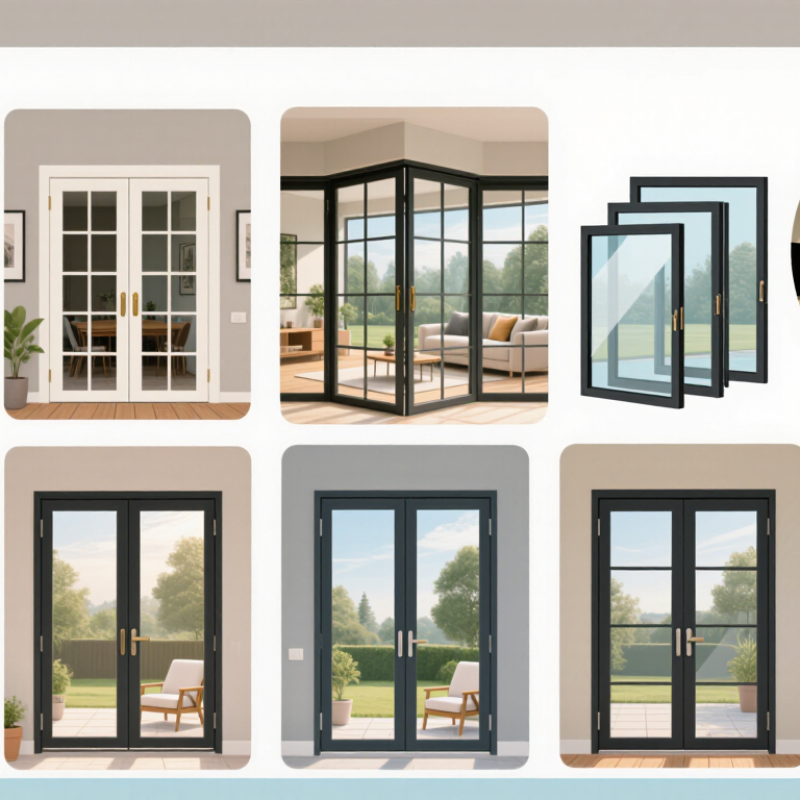
A patio door is a glazed exterior door designed to connect indoor living space with a patio, deck, or garden. Its defining feature is not one particular shape, but the combination of outdoor access and a broad glass opening. Designs differ mainly in how they move. Sliding doors travel along a track, so they need little clearance inside or out. Hinged French-style doors swing open and create a wider passage, but need room for their panels. Folding and multi-panel systems can open much of a wall; their larger openings also demand careful structural planning. The distinction is practical. A chair, rug, or narrow walkway can make one style far less convenient.
Glass area, frame material, weather seals, and installation also shape performance. The U.S. Department of Energy’s Energy Saver guidance estimates that heat gain and loss through windows account for 25–30% of residential heating and cooling energy use. A patio door’s large glazed area makes that guidance especially relevant, though actual performance depends on the product and home. Check the National Fenestration Rating Council label for U-factor and solar heat gain coefficient, then compare ratings for your climate and orientation. A low U-factor can reduce heat transfer; solar heat gain matters where strong afternoon sun hits the glass. Don’t overlook the sill. Water, grit, and a poorly aligned track can turn a sleek door into a daily annoyance. I’ve found that “more glass” is appealing in a showroom, but not always comfortable beside a hot, west-facing patio.
Sliding, French, and Hinged Patio Door Configurations
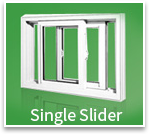
Sliding patio doors travel along a track, so they need little indoor clearance. That makes them practical beside a dining table or narrow deck. One panel usually stays fixed, however, so the opening is only partly clear. Check that the track drains well and the screen moves smoothly; grit can make daily use frustrating.
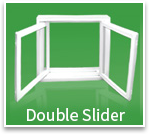
French patio doors use two hinged panels, often opening outward or inward. They can create a broad passage, but need swing space on both sides. A single hinged door is simpler for smaller openings. Measure furniture paths and deck railings before choosing. The trade-off is easy to miss.
Glazing performance matters across all three configurations. The U.S. Department of Energy’s Energy Saver guidance estimates that heat gain and loss through windows account for 25–30% of residential heating and cooling energy use; glazed patio doors can also affect comfort. Compare the National Fenestration Rating Council (NFRC) label’s U-factor and solar heat gain coefficient, rather than relying on glass appearance alone. A lower U-factor generally means less heat transfer, but the right solar-gain rating depends on climate and exposure. I’d still question any choice made from ratings alone: installation gaps, weatherstripping, and how often a door is opened also shape real-world performance.
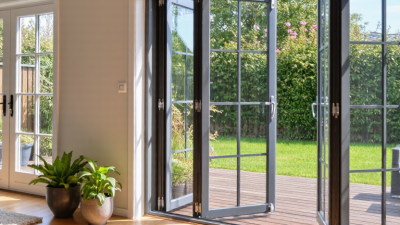
Bifold patio doors connect several panels with hinges, then fold them toward one side of the opening. When fully open, they can create a broad passage to a patio or garden. Each panel needs room to stack, so check that furniture, planters, and nearby walls will not block it. The track matters. A level, well-supported track helps panels move smoothly, while dirt in the channel can make operation stiff. Keep the threshold and drainage details in mind, especially where rain or wind is common.
“Folding door” often describes a similar hinged-panel system, though layouts and hardware vary. Ask how many panels fold in each direction and where they sit when open. Telescoping doors work differently: multiple sliding panels pass one another and gather at one end, which can suit openings with limited space for a hinged stack. They still need clear wall space for the panels and careful installation to keep the tracks aligned. I would not choose a system by appearance alone. Consider how often you will open it, whether a narrow everyday entry is useful, and how much cleaning the tracks may need. Even a striking glass wall can feel inconvenient if its panels are heavy or difficult to reach.
Pocket patio doors slide into a cavity inside the wall, leaving a wide, clear opening when fully open. They suit compact patios where hinged doors would block a table or walkway. The trade-off is significant: the wall must accommodate the pocket, and switches, pipes, or structural supports can complicate installation. Check the wall before choosing this system.
Multi-slide doors use several panels that stack at one end or disappear into a wall pocket. Their broad glass area can bring daylight deep into a room, but it also makes glass and frame performance important. The U.S. Department of Energy’s Energy Saver guidance estimates that windows account for about 25–30% of residential heating and cooling energy use. That figure is not specific to patio doors, but it highlights why glazed-area performance deserves attention. Ask for tested U-factor and solar heat gain coefficient ratings for the complete door assembly.
Lift-and-slide doors raise panels slightly when opened, then lower them onto seals when closed. This can help move large, heavy panels while maintaining a tight seal. Still, the hardware needs correct adjustment, and operation may feel less effortless if tracks collect grit. A small detail, but noticeable. Compare threshold height, drainage, locking points, and panel weight on site; drawings rarely show how a door feels on a windy afternoon.
Pocket, multi-slide, and lift-and-slide options compared by a common panel configuration.
How to read this chart: Bars show a representative number of door panels in a common configuration. Actual panel counts vary by opening size and design; these examples are not fixed specifications.
Pivot doors turn on top-and-bottom pivots rather than side hinges, creating a clean, dramatic opening. Their wide panels suit patios with generous clearance, but the swing can occupy valuable deck space. Check pivot placement, panel weight, threshold height, weather seals, and locking points. A beautiful door is not automatically a practical one.
Compare pivot, hinged, French, sliding, folding, multi-slide, and lift-slide doors by clear opening, operating effort, space, security, and upkeep. Sliding doors save interior clearance; folding systems open wide but add tracks and hardware. For any large glazed door, review U-factor, solar heat gain coefficient, air leakage, and water-resistance ratings. The U.S. Department of Energy estimates windows account for 25–30% of residential heating and cooling energy use. That figure is for windows, not patio doors, but it underscores why glazing performance matters.
Tips: Measure the furniture layout and the door’s full swing before choosing. Ask for test ratings for the exact configuration, not just the glass. Pivot systems can be fussy to align; that detail is easy to overlook.