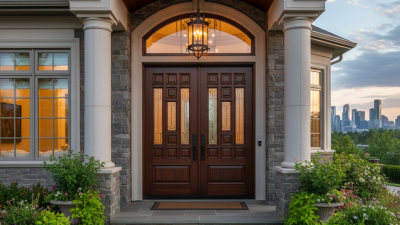
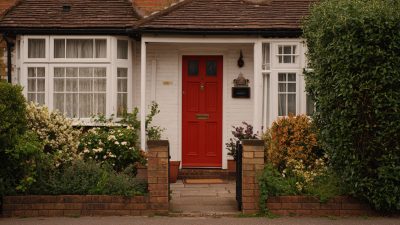
Top 10 Replacement Front Doors for Every Home Style

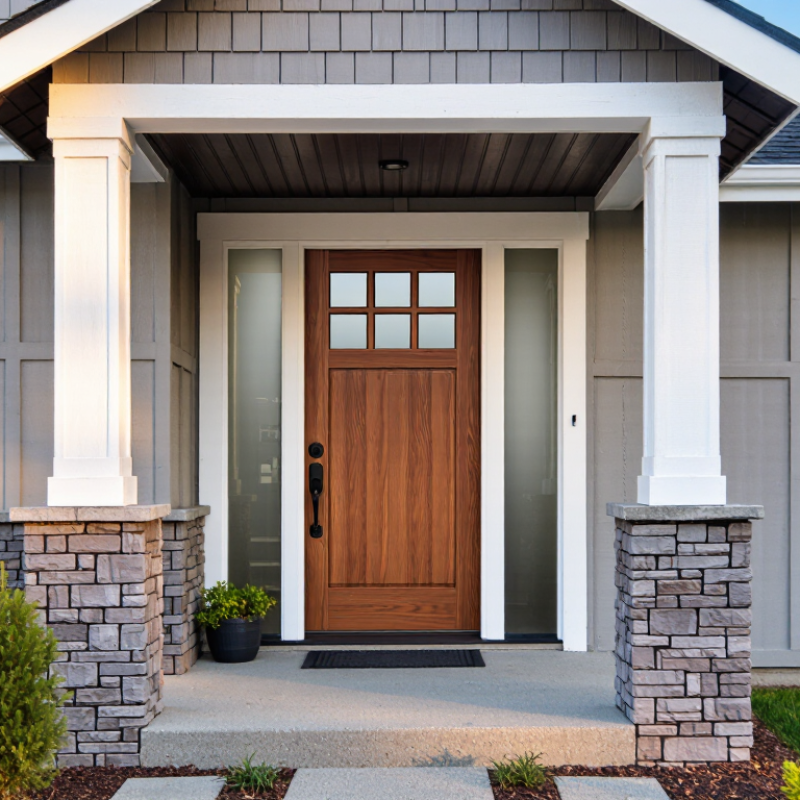
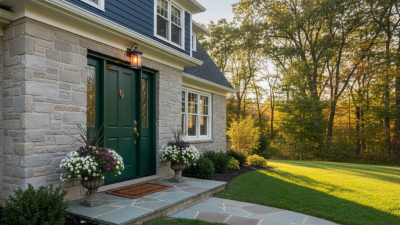
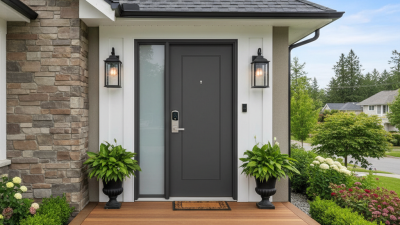
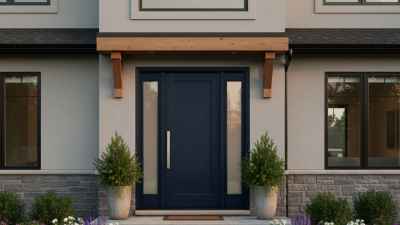
Choosing a new entrance can change how a home feels before anyone steps inside. The right replacement front doors should match the architecture, local weather, security needs, and daily routines. A Craftsman house may welcome a stained wood door with divided glass, while a modern exterior often suits a smooth fiberglass slab with narrow sidelights.

This guide examines ten replacement front doors for popular home styles, from Colonial and farmhouse designs to mid-century and contemporary properties. Each option deserves more than a quick look at color. We consider material durability, insulation, threshold design, glass placement, hardware compatibility, and maintenance demands. A reliable door should close firmly, resist drafts, and remain attractive after years of rain, sunlight, and muddy shoes. Manufacturer specifications, independent testing, installer experience, and warranty terms can reveal details that showroom lighting hides.

Style still matters.

However, no single door performs perfectly everywhere. Wood offers warmth but may require regular sealing. Steel can provide strength, yet scratches need prompt attention. Fiberglass resists many weather problems, although its finish may not feel as authentic as real timber. These trade-offs are easy to overlook when shopping from photographs. Measure the opening carefully, inspect the surrounding frame, and confirm local installation requirements before ordering. Even a beautiful door can disappoint when the swing direction, sill height, or hardware placement is wrong. The best choice balances appearance with evidence, practical use, and honest expectations.

Top 10 Replacement Front Doors for Every Home Style

How to Match a Replacement Front Door to Your Home’s Architectural Style

A replacement front door should belong to the house, not compete with it. In my experience, the best match begins with architectural lines, roof shapes, and existing window details. Colonial homes suit balanced, paneled doors with modest glass. Victorian houses can handle decorative glass and richer trim. Craftsman homes look natural with broad stiles, visible grain, and small divided lights. Tudor exteriors often benefit from arched details, dark finishes, and heavy hardware.

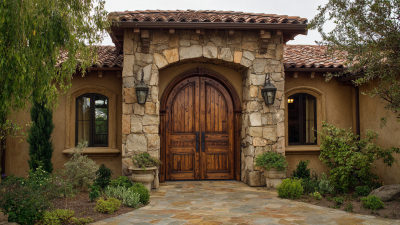
Mediterranean homes pair well with textured wood, iron accents, and warm colors. Farmhouses usually need simple doors, vertical panels, and a welcoming glass section. Ranch homes often look better with wide, clean designs that reinforce their low profile. Mid-century homes favor slim frames, large glass panels, and restrained geometry. Contemporary houses need crisp surfaces, minimal trim, and strong contrast. Cottage-style homes can accept smaller panes, softer colors, and slightly irregular details.

Measure twice. Order once.

Before choosing a style, check the opening size, wall depth, swing direction, and threshold condition. A beautiful door will still perform poorly if it leaks air or clashes with the porch scale. Energy-efficient glazing and weather-resistant materials matter, especially in areas with strong sun, rain, or freezing temperatures. Local installation requirements should also guide the final choice. I once focused too heavily on color and underestimated the existing trim width. The result looked acceptable, but not quite integrated. That mistake reminded me to compare a full-size sample against the façade, preferably in morning and afternoon light.

Top 10 Replacement Front Doors for Every Home Style

How to match a replacement front door to your home’s architectural style using common nominal residential door widths.

Most residential replacement doors use nominal widths of 30, 32, or 36 inches and a standard height of approximately 80 inches. A 36-inch door offers a broader, more welcoming entrance for Craftsman, Modern, Ranch, Farmhouse, Tudor, and Spanish Revival homes, while narrower 30- or 32-inch doors can better preserve the traditional proportions of Victorian and Cape Cod façades. Always measure the existing slab and rough opening before ordering.

The Top 10 Replacement Front Door Styles for Different Homes

Top 10 Replacement Front Door Styles for Different Homes

A replacement front door should respect the home’s architecture, not chase every trend. Craftsman homes suit paneled doors with clear glass. Traditional houses often need raised panels and muted hardware. Modern properties benefit from flush slabs, narrow glass, and crisp geometry. Farmhouse entrances work well with crossbuck details and warm wood tones. Spanish homes need arched profiles, textured finishes, or decorative ironwork. Victorian houses can carry stained glass and deeper colors. Coastal homes look lighter with simple glass inserts. Mid-century designs favor horizontal lines and wide sidelights. Cottage homes suit smaller divided-light doors. Minimalist homes need clean surfaces and almost invisible hardware.

The National Association of Realtors’ 2022 Remodeling Impact Report ranked a new steel front door among the strongest exterior cost-recovery projects. Remodeling Magazine’s 2024 Cost vs. Value report estimated an impressive 188.1% cost recoup for steel entry-door replacement. That figure is regional, not guaranteed. It also reflects installation quality and market conditions. Energy performance matters, too. The U.S. Department of Energy recommends checking weatherstripping, threshold seals, and frame gaps before selecting materials. A beautiful door still fails when cold air moves around it.

Tips: Measure the rough opening, swing direction, jamb depth, and porch exposure. Ask an experienced installer to inspect moisture damage first. Frosted glass improves privacy, but it can reduce daylight. I have seen homeowners choose oversized designs that overpower modest facades. That mistake is easy to make. The safest choice is not always the most exciting one.

How to Choose Door Materials, Glass, Colors, and Hardware

Top 10 Replacement Front Doors for Every Home Style

Choosing a replacement front door starts with the home’s architecture, not a showroom trend. Craftsman homes suit clear-grain wood or fiberglass with narrow glass panels. Modern homes often benefit from smooth steel, oversized glazing, and crisp hardware. Traditional houses can use raised panels, divided lights, or warm stained finishes.

Door materials matter. Steel offers strength and value, while fiberglass resists dents, moisture, and routine fading. Wood provides unmatched texture, but it needs more maintenance in wet climates.

Glass changes both appearance and comfort. Low-emissivity glazing can reduce unwanted heat transfer.

The U.S. Department of Energy reports that windows account for about 25%–30% of residential heating and cooling energy use.

Choose insulated glass with certified performance ratings, especially for sunny entries. Privacy glass helps, but it can make a narrow hallway feel darker. That tradeoff is easy to overlook.

Color should echo nearby trim, roofing, or masonry without matching everything exactly. Deep green, charcoal, and muted blue remain flexible choices. Bright colors work best when the surrounding palette is restrained.

Hardware should feel substantial in the hand. Select a lever or knob, deadbolt, hinges, and house numbers in compatible finishes. The 2024 Cost vs. Value Report found a strong resale return for steel entry-door replacement, but resale data should not dictate every decision.

A beautiful door can still fail if the threshold leaks, the frame is poorly shimmed, or the swing conflicts with furniture. Small installation errors matter.

How to Compare Energy Efficiency, Security, Durability, and Maintenance

Top 10 Replacement Front Doors for Every Home Style

Choosing among ten replacement front doors takes more than matching color and architecture. Compare energy efficiency, security, durability, and maintenance before judging appearance. An insulated steel or fiberglass door usually reduces heat transfer better than a solid wood door. Check the U-factor and air-leakage rating, not just the sales description. Lower numbers generally indicate better insulation. Small gaps matter.

During home inspections, I look closely at the frame, threshold, weatherstripping, and glass edges. A beautiful door still wastes energy if the frame is poorly installed. For security, examine a reinforced strike plate, long screws, strong hinges, and a properly fitted deadbolt. Laminated or limited-glass designs can reduce vulnerable areas. Electronic features may be convenient, but mechanical strength remains essential. Look closely.

Durability depends on climate and daily use. Fiberglass resists moisture and dents well, while steel offers strength but may rust if its coating is damaged. Wood provides warmth and character, yet it needs regular sealing, especially near rain or direct sunlight. Maintenance should include cleaning seals, checking alignment, and repainting exposed surfaces when needed. I once chose a door mainly for its appearance and underestimated afternoon heat; that mistake made the entry uncomfortable. No door wins every category. Compare the material, installation quality, exposure, and expected upkeep honestly. A reliable contractor should explain test ratings, fastening methods, and likely repair needs in clear language.

Top 10 Replacement Front Doors for Every Home Style

Rank Door Style Best Home Style Typical Material Energy Efficiency
Typical U-Factor
Security Potential Expected Service Life Maintenance Level Weather Resistance Typical Installed Cost Key Consideration
1 Insulated Fiberglass Craftsman Door Craftsman, bungalow, cottage Insulated fiberglass skin with wood-look finish U-0.15–0.25
Excellent
High
Strong slab, reinforced frame, multipoint lock compatible
25–40 years Low
Wash periodically; refinish or repaint when required
Very good resistance to moisture, dents, and temperature changes $1,500–$4,000 Offers the appearance of painted or stained wood with less warping and upkeep.
2 Thermally Broken Steel Modern Door Modern, minimalist, urban contemporary Insulated galvanized steel U-0.15–0.25
Excellent
Very high
Rigid panel and strong lock-side reinforcement
20–35 years Low to moderate
Touch up scratches promptly to help prevent rust
Excellent when properly sealed; vulnerable to unprotected scratches in humid climates $1,800–$4,500 Strong security and a clean profile, but thermal breaks and quality weatherstripping are important.
3 Traditional Solid Wood Panel Door Traditional, Colonial, Tudor Engineered or solid hardwood U-0.35–0.60
Fair to good
High
Depends on thickness, hardware, frame, and glass area
30–60 years with regular care High
Needs periodic sealing, painting, or staining
Good in protected entries; more vulnerable to moisture and seasonal movement $2,500–$7,000 Provides authentic character and can be repaired, but requires the most climate-related maintenance.
4 Fiberglass Farmhouse Door with Glass Farmhouse, coastal, transitional Insulated fiberglass with decorative glazing U-0.18–0.30
Very good
Medium to high
Use laminated or impact-rated glass for increased resistance
25–40 years Low
Clean glass and inspect seals annually
Very good; suitable for damp conditions when edges and seals are protected $1,800–$4,800 Glass improves daylight and style, but larger glazed areas can reduce privacy and security.
5 Steel Contemporary Door with Narrow Sidelights Contemporary, ranch, mid-century modern Insulated steel with double- or triple-pane glazing U-0.16–0.28
Very good
High
Reinforced lock area and laminated sidelights improve protection
20–35 years Low to moderate
Inspect coatings, seals, and threshold
Very good; quality glazing and sill drainage are essential $2,200–$5,500 Balances security and natural light; sidelights should be carefully specified for privacy and safety.
6 Engineered Wood Double Door Luxury traditional, Mediterranean, large entryways Engineered wood with hardwood veneer and insulated cores U-0.30–0.50
Good
High
Requires correctly aligned active and inactive door hardware
25–50 years with maintenance Moderate to high
Maintain finish, astragal, hinges, and weather seals
Good when sheltered; overhangs and drainage are recommended $4,000–$10,000 Creates a dramatic entrance, but double-door alignment can affect air leakage and security.
7 Aluminum-Clad Glass Entry Door Modern, Scandinavian, high-design homes Thermally broken aluminum frame with insulated glass U-0.20–0.35
Good to very good
Medium to high
Best with laminated glass and a multipoint lock
30–50 years Low
Clean frame and inspect gaskets
Excellent corrosion and moisture resistance when properly finished $3,500–$9,000 Very durable and slim-lined, although extensive glazing may increase heat gain or privacy concerns.
8 Fiberglass Colonial Door with Decorative Panels Colonial, Georgian, suburban traditional Insulated fiberglass with raised-panel detailing U-0.16–0.28
Very good
High
Solid core and reinforced hardware preparation provide strong protection
25–40 years Low
Periodic cleaning and finish inspection
Excellent resistance to rot, swelling, and ordinary seasonal exposure $1,600–$4,200 A practical choice for traditional architecture when low maintenance matters more than authentic wood grain.
9 Industrial Steel Door with Full-Height Glass Industrial, loft, converted warehouse Insulated steel frame with double-pane safety glass U-0.25–0.45
Good
Medium to high
Use laminated or security-rated glazing where appropriate
20–35 years Low to moderate
Maintain paint, hardware, and perimeter seals
Very good; thermal performance depends heavily on frame design $3,000–$8,000 Delivers a strong architectural statement, but large glass areas can affect insulation and privacy.
10 Painted Wood-and-Glass Cottage Door Cottage, Cape Cod, coastal traditional Engineered wood or solid wood with insulated glass U-0.30–0.55
Fair to good
Medium to high
Security depends on glazing type, locks, and frame reinforcement
20–40 years with maintenance Moderate to high
Repaint or reseal exposed surfaces regularly
Good in sheltered locations; needs careful water management $2,000–$6,000 Warm, classic curb appeal with daylight; a protective overhang can extend finish life.
Comparison notes: U-factor measures heat flow through the complete door assembly; lower values generally indicate better insulation. Cost ranges are broad U.S. installed estimates for a standard-size replacement door and can vary with opening repairs, custom sizing, glazing, labor, local codes, and hardware. Security ratings are comparative design assessments rather than certifications. Confirm energy labels, local wind or impact requirements, and installation details before purchasing.

How to Measure, Order, and Install a Replacement Front Door

A replacement front door should suit the home’s style, but accurate measuring matters more than appearance. Measure the existing slab, rough opening, jamb depth, and threshold height. Record width at the top, middle, and bottom. Walls are rarely perfectly square. Check the height on both sides, too. Small differences can create major fitting problems.

Confirm the door swing, hinge side, glazing, and hardware preparation before ordering. Measure from the finished floor, not unfinished flooring. Include trim thickness and any planned flooring changes. Ask the supplier for a written specification sheet. Read it twice. A rushed order can leave you with an attractive door that cannot fit the opening.

Installation requires patience and careful adjustment. Remove the old frame without damaging surrounding trim. Dry-fit the new unit first. Place solid shims behind every hinge and near the strike plate. Check the jamb for plumb, level, and equal diagonal measurements. Fasten gradually, then test the latch several times. The door should close without dragging or forcing. Use low-expansion insulation around the frame, followed by exterior-grade sealant at exposed joints. Do not block drainage paths beneath the threshold. I still recheck the reveal after insulation cures. Frames can move slightly. That small pause prevents a disappointing final adjustment.