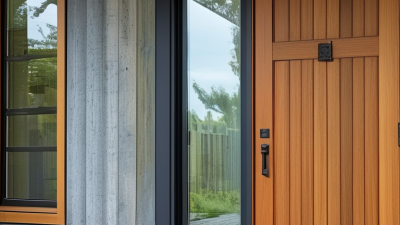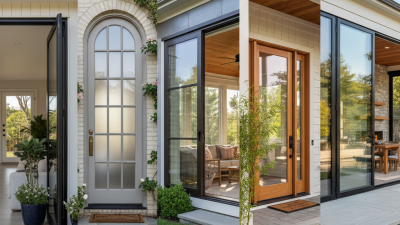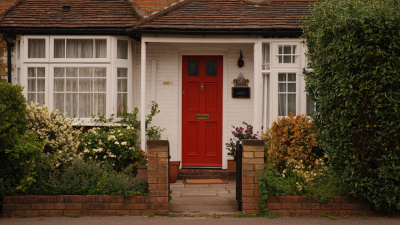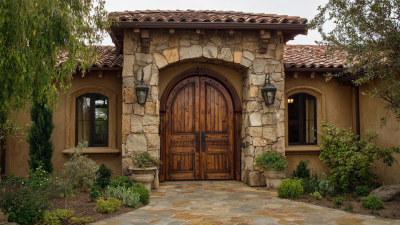




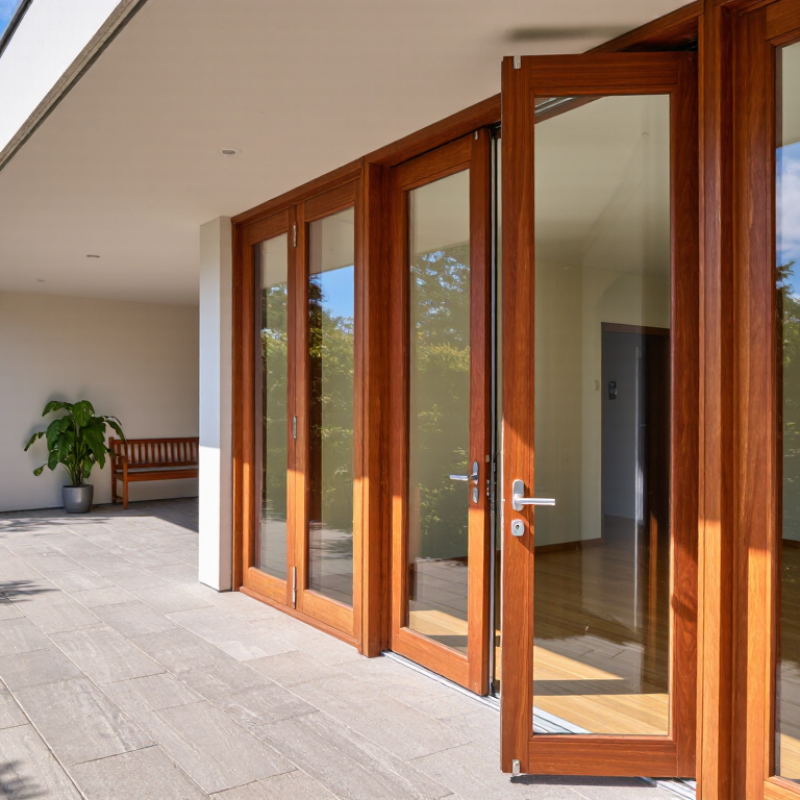
A porch can change how a home feels before anyone reaches the front door. The right porch doors create a warmer entrance, improve daylight, and connect indoor rooms with the outdoors. From working with residential entrances, I have seen how a well-fitted door can make a narrow porch feel larger. It feels inviting. That first impression matters.
Porch doors also offer practical benefits. Glazed panels can brighten a dim hallway, while solid sections provide privacy and reduce drafts. Hinged, sliding, and folding designs suit different porch sizes and daily routines. A family with muddy shoes may prefer a wide, easy-swinging door. A compact entrance might work better with a sliding system. Good design begins with honest observation.
Material choice requires care. Timber brings warmth and can be repaired, but it needs regular protection from rain. Composite and engineered materials may demand less maintenance. Glass should be selected for safety, insulation, and privacy, not appearance alone. Check seals, hinges, thresholds, and drainage before installation. These small details often decide whether a door performs well after several winters.
Reliable advice should consider the home’s exposure, ventilation, security needs, and local building requirements. No single style suits every property. A beautiful door can still disappoint if it opens into a walkway or traps heat on a sunny porch. I have learned that measurements deserve more attention than assumptions. The best porch doors balance character, comfort, durability, and everyday use. They should look good today and remain dependable years later.
Why Choose Porch Doors for Your Home?
What Are Porch Doors and How Do They Differ From Other Exterior Doors?
Porch doors connect a home’s interior with a covered porch, veranda, or enclosed entry space. They may be single or double doors, with glass panels, solid sections, or screened inserts. Unlike a main entrance door, a porch door often opens into a semi-protected transition zone. It handles less direct weather exposure, but it still needs reliable seals, secure locks, and durable hardware.
The difference is practical, not always official. A front door usually prioritizes security, insulation, and a strong first impression. A patio door often uses sliding or folding panels for wide garden access. Porch doors sit between these roles. They can bring daylight into a hallway while controlling drafts and moisture. In older homes, people sometimes call any sheltered exterior door a porch door. That wording can be confusing. Check the doorway’s position, exposure, and daily use before choosing one.
Tips: Measure the opening at several points. Uneven walls are common. Look for water stains near the threshold, then inspect the frame before ordering. Frosted or textured glass can protect privacy without making the entry feel dark. Energy performance matters too, especially when the porch is unheated. A door that looks attractive may still feel cold in winter, so test the seal and ask a qualified installer about local weather conditions.
Porch doors are exterior doors designed for entryways, porches, patios, and transitional spaces. Compared with standard single entry doors, they are often available in wider, more open configurations that improve daylight, ventilation, and access.
The chart compares common nominal opening widths. A standard single exterior door and a screen or storm porch door are typically about 36 inches wide, while French and sliding patio door systems provide wider openings for improved movement and outdoor connection.
Porch doors can make a home feel more connected to the outdoors. Their wider openings also support easier movement for groceries, bicycles, and mobility equipment. A low threshold matters here. It reduces trips and feels more practical during daily use.
Glazed porch doors bring daylight deeper into entrance areas and adjoining rooms. The U.S. Department of Energy reports that windows can represent 25–30% of residential heating and cooling energy use. This figure does not mean every glass door wastes energy. Low-emissivity glazing, insulated frames, and accurate weather seals can reduce unwanted heat transfer. However, poor installation can weaken even high-quality materials. Small gaps become noticeable on windy evenings.
Ventilation improves when doors open opposite windows or another external opening. This creates a cross-breeze, especially when the porch faces a cooler, shaded side. The U.S. Environmental Protection Agency recommends controlling moisture and using adequate ventilation to support healthier indoor air. Still, a porch door is not a complete ventilation system. Its performance depends on wind, room layout, humidity, and outdoor air quality. In practice, an insect screen helps keep airflow comfortable, while a secure multi-point lock protects access when the door is closed. I would also question oversized glazing in sunny rooms. More light can mean more glare and summer heat. Careful orientation and shading remain essential.
| Performance Dimension | Porch Door Feature | Typical Practical Benefit | Relevant Measure or Guidance |
|---|---|---|---|
| Everyday Access | Hinged or sliding opening between the home and porch | Creates a direct route for residents, guests, groceries, bicycles, and outdoor furniture | The usable passage depends on the clear opening, not the nominal door size |
| Accessible Passage | Wide door leaf, low threshold, and sufficient maneuvering space | Makes entry easier for wheelchair users, people with mobility aids, children, and older adults | A commonly referenced accessibility target is at least 32 inches of clear opening; verify applicable local requirements |
| Threshold Safety | Low-profile, weather-resistant threshold with a smooth transition | Reduces tripping risk and improves movement between indoor and outdoor areas | For accessibility-focused designs, threshold height and edge treatment should comply with local standards |
| Natural Light | Glass panels or large glazed sections instead of an opaque door slab | Introduces daylight into entry halls, living rooms, and adjacent circulation spaces | Daylight depends on glazing area, glass visible transmittance, orientation, shading, and obstructions |
| Privacy and Glare Control | Obscure, tinted, laminated, or internally screened glazing options | Balances daylight with privacy and helps reduce direct glare | The final result varies with glass type, surface finish, blinds, curtains, and sun exposure |
| Cross-Ventilation | Operable door paired with another opening, such as a window or opposite door | Can support airflow through the home when outdoor conditions are suitable | Airflow is affected by wind direction, temperature difference, opening size, and the building layout |
| Fresh-Air Access | Screen door, retractable screen, or ventilating door configuration | Allows ventilation while helping limit the entry of insects | The effective ventilation area is the unobstructed screen or opening area |
| Energy Performance | Insulated frame, insulated glass, tight weatherstripping, and properly sealed installation | Helps reduce unwanted drafts and heat transfer compared with poorly sealed construction | Compare the certified U-factor and air-leakage rating where available; lower U-factor generally indicates better insulation |
| Weather Protection | Door sweep, compression seals, sill pan, flashing, and correctly sloped porch landing | Helps limit rainwater intrusion, drafts, and moisture-related damage | Performance depends heavily on site detailing and installation, not only the door assembly |
| Daily Usability | Choice of inward or outward swing, sliding operation, lever hardware, and hold-open devices | Allows the entrance to be matched to porch depth, traffic flow, furniture placement, and household needs | Door swing, landing dimensions, hardware height, and egress rules should be checked before installation |
| Security and Visibility | Multi-point or deadbolt-compatible hardware, reinforced frames, and impact-resistant glazing where required | Can improve controlled access while preserving visibility toward the porch | Security depends on the complete door, frame, lock, hinges, glazing, and surrounding wall construction |
Porch doors shape how a home feels before anyone enters. Material should follow the porch’s exposure, not only its appearance. Fiberglass suits rainy or coastal settings because it resists moisture, warping, and repeated temperature changes. Steel offers strong security and a slimmer profile, but scratches need prompt sealing. Timber brings warmth to a covered porch, although it demands regular inspection around the lower rail and hinges.
Glass area also changes comfort. The U.S. Department of Energy reports that windows can account for 25–30% of residential heating and cooling energy use. A glazed porch door may add to that load, especially when afternoon sun reaches a dark floor. Low-emissivity glass, insulated cores, and tight weather-stripping can reduce drafts. Check the door’s U-factor and solar heat gain coefficient, rather than trusting vague claims.
Design should match the porch’s architecture. A six-panel timber door complements traditional columns and brick. A simple flush fiberglass door feels calmer beside modern concrete and metal. French doors suit wide, sheltered porches, while a single hinged door works better in narrow entries. Measure the swing carefully.
Small details matter. I once underestimated wind exposure on a covered porch. The door still rattled. A multi-point lock, adjustable hinges, and a deep threshold would have helped. Yet heavily sealed doors can feel stiff, and that trade-off is easy to overlook. DOE guidance also recommends inspecting seals and thresholds regularly, because installation quality can matter as much as the chosen material.
Porch doors can strengthen a home’s security when their design matches the entrance’s daily risks. A solid core or reinforced frame resists forced impact better than a lightweight hollow door. Multipoint locks can distribute pressure along the frame. However, a strong lock means little if the hinges use short screws. I have seen this detail overlooked during rushed installations. Use long, corrosion-resistant fixings that reach the structural frame. Add clear lighting and a reliable viewing panel, so visitors can be identified without opening the door.
Energy efficiency depends on the whole doorway, not just the door slab. Tight weather seals reduce cold drafts around the edges. Low-emissivity glazing can limit heat loss while allowing daylight into the porch. A properly fitted threshold also helps stop wind-driven rain and air leakage. Small gaps matter. During colder months, place your hand near the frame to detect moving air. This simple check can reveal installation problems that thermal comfort alone may hide. Still, glass choices should suit the climate, orientation, and privacy needs.
Durability comes from materials, drainage, and maintenance. Powder-coated metal, treated timber, and durable composite surfaces can handle changing weather when specified correctly. Yet no porch door is maintenance-free. Inspect seals, hinges, drainage channels, and lock movement twice a year. Clean debris before it traps moisture against the frame. My practical caution is simple: overbuilt hardware may add cost without improving performance in every home. Ask a qualified installer to assess exposure, threshold height, and local building requirements before choosing the final specification.
Choosing porch doors is not only about appearance. Before measuring, study how your entrance behaves throughout the day. Does morning sun heat the hallway? Does wind push rain beneath the threshold? A south-facing doorway may need shaded glass, while an exposed entrance demands a durable finish. In older homes, floors are rarely perfectly level. Measure at several points, not just once. That small check can prevent a costly fitting problem.
Security should feel solid without making daily use awkward. Look for a strong frame, dependable hinges, and a lock system suited to the door material. Glazing needs careful thought. Clear panels brighten a dark porch, but they may reveal parcels or household routines. Obscured or laminated glass can improve privacy and resilience. Test the opening direction with coats, shoes, and furniture nearby. A common installation lesson is simple: beautiful doors can become frustrating when the handle hits a wall. It happens.
Weather performance also affects long-term value. Ask how the door handles water, temperature changes, and repeated cleaning. Timber offers warmth, but it may need regular maintenance. Composite or metal options can reduce upkeep, though their appearance and insulation vary. Check threshold height for children, older visitors, and wheelchair access. Local requirements may affect ventilation, fire safety, or opening width. A qualified installer should inspect the frame, not merely cover gaps with trim. Get written performance details, and question vague promises before ordering.