



What Is the Best Type of House Door for Global Buyers?

Choosing the best type of house doors for global buyers requires more than comparing colors and prices. It depends.

Climate, security needs, architecture, and local construction practices all influence the right decision. A solid timber door may suit a traditional home, while insulated steel or fiberglass can perform better in harsh weather. In humid coastal regions, poorly sealed wood may swell around the frame. In dry climates, direct sunlight can fade finishes and create small gaps. These details affect comfort, maintenance, and long-term value.

Experience shows that door performance often depends on installation quality. Even an excellent door can leak air when the threshold is uneven or the weatherstripping is damaged. Buyers should review water-resistance, air-leakage, insulation, durability, and security test reports. Manufacturer warranties also deserve careful attention. A low price may become expensive after repeated repairs. That is easy to overlook.

Reliable decisions should consider regional building requirements and advice from qualified local installers. Standards differ between countries, especially for fire safety, energy efficiency, accessibility, and emergency exits. Buyers should also inspect hinge strength, lock quality, glass protection, and replacement-part availability. Fancy features are not always useful. Sometimes, a simple, well-fitted door performs better.

No single option wins everywhere. This article compares timber, steel, fiberglass, aluminum, and composite house doors through practical global buying considerations. The discussion also recognizes uncertainty, because supplier claims may not match real installation conditions. Careful measurement, verified documentation, and professional guidance remain essential before ordering.
What Is the Best Type of House Door for Global Buyers?

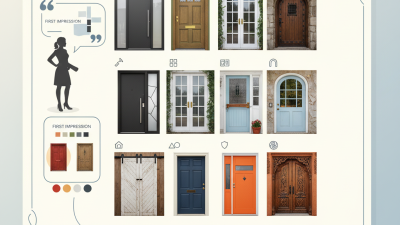
House Door Types and Their Main Differences

What Is the Best Type of House Door for Global Buyers?

House Door Types and Their Main Differences

The best house door depends on climate, security needs, maintenance habits, and installation quality. Solid wood doors offer natural warmth and strong visual appeal. They can be repaired, but moisture may cause swelling, cracking, or warping. Regular sealing is essential.

Steel doors provide excellent strength and usually cost less than heavy timber doors. However, damaged coatings can expose the surface to rust, especially near humid coasts. Fiberglass doors resist moisture and often imitate wood grain. They are lighter than solid wood and need less maintenance. Their surface can still crack after severe impact.

Choose carefully.

Aluminum doors are lightweight and resist corrosion in many environments. They suit modern homes and large glazed entrances, but thermal performance depends on the frame design. Composite doors combine several materials and may balance insulation, strength, and appearance. Their quality varies widely, so inspect the core, seals, hinges, and locking points.

Sliding doors save space and bring in more daylight. Hinged doors usually provide stronger weather sealing and a more familiar emergency exit path. During a practical inspection, check whether the door closes evenly, without scraping the threshold. Also measure the wall opening, not only the existing panel. I have seen buyers focus on attractive finishes and overlook poor installation. That mistake can reduce security and insulation more than the door material itself. Local building rules, wind exposure, fire ratings, and replacement parts should influence the final choice.

Key Factors for Comparing Doors in Different Climates

What Is the Best Type of House Door for Global Buyers?

Key Factors for Comparing Doors in Different Climates

No single house door performs well in every climate. Start with exposure. A coastal home needs corrosion-resistant hardware, tight seals, and a surface that tolerates salt air. In humid regions, engineered timber or reinforced composite doors may resist swelling better than untreated solid wood. However, even a strong door can fail when the frame absorbs moisture.

Cold climates demand low heat transfer and reliable weatherstripping. Look for insulated cores, accurate frame installation, and a low air-leakage rating. A door with excellent insulation can still feel cold if the threshold is poorly fitted. Details matter. In hot, sunny areas, light-colored finishes, shaded entrances, and stable materials help reduce warping. Glass panels should balance daylight with solar heat control.

In site inspections, I have seen buyers focus on the door slab while ignoring the frame, hinges, and drainage. That choice often creates unnecessary repairs. Flood-prone locations need elevated thresholds only where local access remains safe, plus materials that dry quickly after exposure. Fire-rated doors may also be required between particular rooms, depending on local building rules. Always verify performance data against regional standards, not just sales descriptions. A practical comparison should include climate, maintenance, installation quality, security, and replacement access. My earlier preference for heavy timber doors changed after seeing repeated movement in wet seasons. Beauty matters, but climate usually decides durability.

What Is the Best Type of House Door for Global Buyers? - Key Factors for Comparing Doors in Different Climates

Performance figures are typical ranges for well-installed residential exterior doors. Actual results depend on core thickness, glazing, frame design, weather seals, installation quality, local building codes, and exposure conditions.
Door Type Typical Thermal Transmittance (U-value) Best-Suited Climates Humidity and Moisture Resistance Solar and Heat Performance Security Potential Maintenance Requirement Typical Service Life Main Advantages Main Limitations
Insulated Fiberglass Composite Approximately 1.0–2.0 W/m²K for a well-insulated door set Cold, temperate, hot-humid, and mixed climates Very good resistance to swelling, corrosion, and moisture-related damage Low heat transfer; light-colored finishes can reduce solar heat gain High when combined with a reinforced frame, multi-point lock, and laminated or tempered glazing Low; periodic cleaning, seal inspection, and hardware lubrication Commonly 20–30 years with proper installation and maintenance Strong all-round performance, good insulation, low maintenance, and broad climate suitability Surface damage can be difficult to repair invisibly; quality varies by core and frame construction
Insulated Steel Approximately 1.2–2.2 W/m²K; thermal bridging may reduce whole-door performance Cold, temperate, and mixed climates; suitable for many sheltered coastal locations Good when factory-finished and protected; vulnerable to edge or coating failure if exposed steel rusts Good insulation with a foam core; dark colors may increase surface temperature and expansion Very high potential because of the rigid door skin and reinforced locking area Low to moderate; inspect paint, edges, bottom rail, hinges, and seals for corrosion or wear Commonly 15–30 years, depending on coating quality and exposure Strong security, generally affordable, stable shape, and good resistance to impact Can dent, conduct heat through unbroken metal sections, and corrode in poorly maintained coastal environments
Engineered Timber Approximately 1.4–2.5 W/m²K, depending on thickness and construction Temperate, cold, and dry climates; suitable for humid areas with excellent sealing and overhang protection Better dimensional stability than solid wood, but still sensitive to persistent water exposure and poor drainage Good natural insulation; exterior finishes and shading are important in strong sun High potential with a substantial core, reinforced frame, and quality locking system Moderate to high; requires regular inspection, repainting, or refinishing Commonly 20–50 years when protected, maintained, and kept clear of standing water Natural appearance, repairability, good acoustic performance, and strong design flexibility Can swell, shrink, warp, or decay if moisture control and finishing are neglected
Thermally Broken Aluminum Approximately 1.5–3.0 W/m²K; non-thermally-broken frames perform substantially worse Hot, humid, dry, temperate, and coastal climates when corrosion protection is specified correctly Very good resistance to rot and insects; coating and fasteners must be suitable for marine exposure Good for hot climates when paired with low-solar-gain glazing, shading, and light-colored finishes High potential with thick profiles, reinforced lock zones, and laminated glazing Low; clean drainage paths, inspect seals, and check coating and hardware periodically Commonly 25–40 years or more with suitable finishes and hardware Lightweight, durable, slim profiles, strong weather resistance, and good design versatility Metal conducts heat; poor thermal breaks can cause condensation and higher cooling or heating loads
uPVC / Vinyl Approximately 1.2–2.2 W/m²K for multi-chamber insulated systems Cold, temperate, and humid climates; suitable for hot areas when protected from excessive solar exposure Very good resistance to rot, rust, and routine moisture exposure Good insulation; dark colors and intense sunlight may increase expansion or discoloration risk Moderate to high, depending on steel reinforcement, frame design, and locking hardware Low; clean surfaces, keep drainage channels open, and replace worn seals Commonly 20–30 years, depending on ultraviolet exposure and hardware quality Good thermal efficiency, low maintenance, moisture resistance, and competitive cost Can expand in strong heat, become brittle under severe ultraviolet exposure, or have limited repairability after impact
Solid Timber Approximately 1.8–3.0 W/m²K, depending on species, thickness, and panel design Dry, temperate, and cold climates; less suitable for severe wet exposure without continuous maintenance Sensitive to repeated wetting, drying, swelling, shrinking, and biological decay if unprotected Moderate natural insulation; external shading and high-quality finishes improve performance High potential with substantial thickness and reinforced hardware areas High; requires regular sealing, painting, staining, and moisture-control checks Commonly 15–40 years, with longer life possible under well-protected conditions Authentic appearance, repairable material, strong acoustic properties, and good customization options Greater dimensional movement, heavier weight, and higher maintenance than engineered or synthetic alternatives
Glass-Heavy Entry Door Approximately 1.2–2.8 W/m²K, depending on glazing type, frame, and edge spacer Temperate and warm climates; suitable for cold climates with high-performance insulated glazing Good when sealed correctly; frame drainage and perimeter seals remain critical Potential for solar heat gain and glare; low-e coatings, solar-control glass, and external shading may be needed Depends heavily on laminated or toughened safety glass, frame strength, and lock design Low to moderate; clean glass, inspect seals, and maintain rollers or hinges where applicable Commonly 15–30 years, depending on hardware, seals, and glazing exposure Natural daylight, modern appearance, and visual connection between indoor and outdoor spaces Privacy, glare, impact, and solar-gain issues require careful glass specification and site orientation

Materials, Durability, and Maintenance Requirements

What Is the Best Type of House Door for Global Buyers?

Materials, Durability, and Maintenance Requirements

Choosing a house door depends on climate, security needs, and maintenance habits. There is no perfect material. Solid wood offers warmth, strength, and easy repair, but humidity can cause swelling or warping. It needs sealed surfaces, careful installation, and regular inspection. In wet regions, even a beautiful wooden door may become difficult to operate.

Fiberglass doors resist moisture, insects, and daily temperature changes. They usually need only gentle cleaning and occasional seal inspection. Steel doors provide strong impact resistance and stable performance, although scratched areas can rust if left untreated. Aluminum doors are lightweight and suitable for coastal locations, but their finish may fade under intense sunlight. Engineered wood can offer better dimensional stability than ordinary timber, yet its protective coating still requires attention.

Look closely at the frame, threshold, hinges, and weather seals. A durable door can fail when water enters through a poorly fitted threshold. Check whether replacement seals and compatible hardware are available locally. This detail is often overlooked. Maintenance schedules should match real living conditions, not showroom promises. Clean surfaces with mild soap, tighten loose hardware, and examine lower edges after heavy rain. In my view, buyers sometimes overvalue thickness and undervalue installation quality. That judgment can be wrong. A simpler door, properly fitted and maintained, may last longer than a premium-looking door installed carelessly.

What Is the Best Type of House Door for Global Buyers?

Materials, durability, and maintenance requirements vary by climate, installation quality, and exposure to moisture or sunlight. This comparison uses typical planning ranges for residential exterior doors.

Fiberglass doors generally offer the longest service life with minimal routine maintenance. Aluminum and uPVC also require relatively little upkeep, while steel may need periodic attention to prevent corrosion. Solid wood doors can be highly durable but usually require more frequent sealing, staining, or painting, especially in wet or high-UV climates. Service-life figures are typical estimates rather than guarantees.

Security, Energy Efficiency, and Everyday Function

What Is the Best Type of House Door for Global Buyers?

For global buyers, the best house door balances security, energy efficiency, and daily comfort. A solid core door can resist forced impact and reduce outside noise. However, security depends on the frame, hinges, lock, and installation quality. A strong door fitted into a weak frame may still perform poorly. Small details matter.

Energy performance changes with climate. In cold regions, insulated doors and tight weather seals help reduce heat loss. In hot, humid areas, moisture-resistant materials and shaded entrances can improve comfort. Look for independently tested thermal and air-leakage ratings when available. Glass panels need careful attention because poorly sealed glazing can create cold or hot spots. Local building requirements should also guide the final choice.

Tips: Check the door’s U-value, weather seal, threshold design, and hardware durability. Open and close the sample several times. Fit matters more. Ensure the door swings safely without blocking furniture or escape routes. Consider muddy shoes, groceries, wheelchairs, and children’s hands during everyday use. Maintenance is easy to overlook. Even a well-insulated door can lose performance when seals crack or the frame shifts. I have found that buyers often focus on appearance first, then regret ignoring cleaning, repainting, or replacement needs. A practical door may look less impressive, but it usually works harder every day.

How Global Buyers Can Select the Right House Door

Selecting the right house door starts with the building’s location, not its appearance. A coastal home may need corrosion-resistant hardware and sealed edges. A cold region needs an insulated core and reliable weatherstripping. In a hot climate, consider heat-resistant finishes and controlled sunlight. The attractive door is not always practical.

Measure the opening carefully, including wall thickness, frame depth, threshold height, and swing direction. A few millimeters can create installation problems. Check whether the door opens inward or outward, especially in compact entryways. Review local building requirements, fire performance rules, accessibility needs, and security expectations with a qualified installer. Requirements differ between countries and sometimes between cities.

Material choice also affects long-term value. Solid timber offers warmth, but it needs regular surface protection in wet conditions. Steel can provide strength, yet poor coatings may rust near saltwater. Fiberglass is often stable, although its finish can still fade under intense sunlight. Ask for tested insulation, water resistance, hardware durability, and maintenance instructions. Request clear drawings and warranty terms before ordering. Do not rely on attractive product photos alone. A common mistake is choosing a door before confirming local installation support. That decision can increase adjustment costs later. I would also leave room for honest uncertainty, because climate exposure and workmanship can change performance. A dependable supplier should explain these limits rather than promise perfection.