





What Are the Top Types of Front Entry Doors?
Choosing among the top types of front entry doors is more than a style decision. Your entry door controls first impressions, daily comfort, security, and energy performance. It also meets rain, sunlight, muddy shoes, delivery boxes, and constant use.
Architect Sarah Susanka describes the front door as “the handshake of your house.” That simple image explains its importance. A solid wood door can bring warmth, grain, and traditional character. Fiberglass can imitate wood while resisting warping and moisture. Steel often offers strong security and dependable value. Glass-panel doors can brighten a dark hallway, although privacy and heat gain require careful planning.
The best choice depends on your climate, budget, home style, and maintenance habits. A coastal homeowner may need corrosion-resistant hardware and finishes. Someone in a cold region should examine insulation ratings, weatherstripping, and threshold design. Small details matter. A poorly sealed frame can waste energy, regardless of the door material.
There is no perfect door.
Even attractive options have compromises. Wood may need refinishing. Steel can dent. Fiberglass may cost more than expected. Decorative glass can also reduce privacy if positioned carelessly. This guide compares the leading front entry doors and explains where each type performs best. It considers appearance, durability, security, insulation, upkeep, and installation quality. Real-world use matters more than showroom appeal. A beautiful door that sticks after heavy rain is not a successful choice.
## What Defines a Front Entry Door?
What Are the Top Types of Front Entry Doors?
What Defines a Front Entry Door?
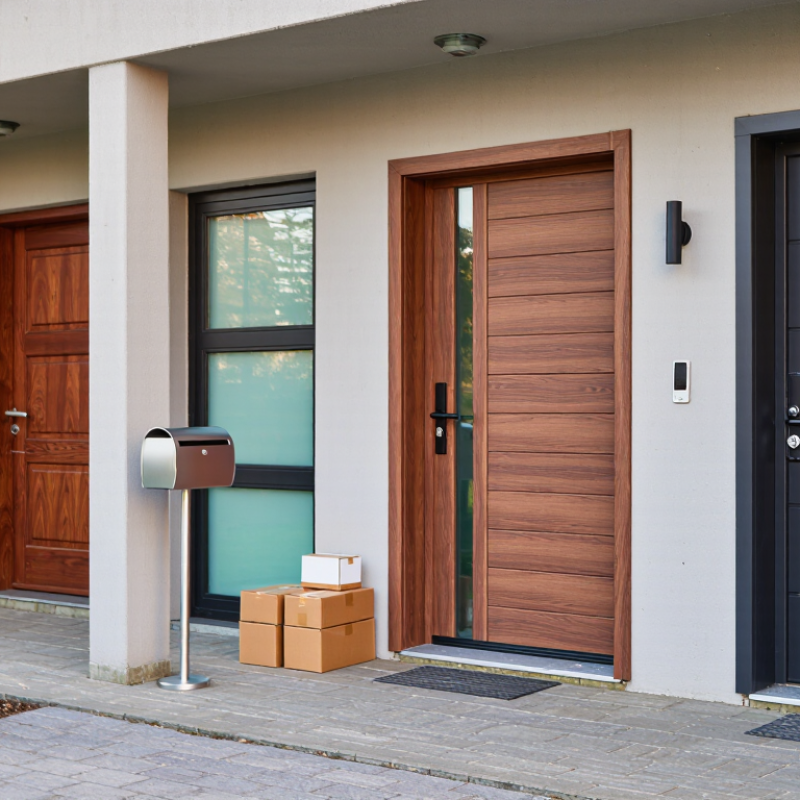
A front entry door is the primary exterior door leading into a home’s main living space. It connects the indoor foyer with the outdoor approach, such as a porch, walkway, or set of steps. Unlike a patio or side door, it usually shapes the home’s first impression and supports daily security, weather protection, and controlled access.
Its complete structure includes the door slab, frame, hinges, lockset, threshold, and weather seals. Every part matters. A small gap beneath the slab can invite rain, dust, or cold air. Common front entry door types include solid wood, fiberglass, steel, and designs with glass panels. Wood offers natural grain and warmth. Fiberglass resists moisture and often needs less maintenance. Steel provides strength, while glass can brighten a dark foyer.
In practical inspections, I have found that appearance can distract homeowners from fit and performance. A beautiful door may still stick during humid weather or close unevenly. The surrounding frame also deserves attention, because weak installation can reduce comfort and security. Check the threshold after heavy rain. Feel for drafts around the edges. Then consider the door’s material, swing direction, insulation, and hardware together. A front entry door should look welcoming, but it must also work reliably on an ordinary, messy morning.
| Front Entry Door Type | Primary Construction | Appearance and Design Options | Weather and Moisture Performance | Energy Efficiency | Maintenance Level | Security Characteristics | Best Suited For |
|---|---|---|---|---|---|---|---|
| Fiberglass Door | A molded fiberglass skin over an insulated foam or composite core, usually fitted in a wood or composite frame. | Can have smooth or wood-grain surfaces, raised panels, decorative embossing, and optional glass inserts. | Resists moisture, rot, rust, and many seasonal temperature changes. Properly sealed installation is still important. | Generally good because the insulated core reduces heat transfer. Performance depends on the door slab, frame, weatherstripping, and glazing. | Low. Occasional cleaning and inspection of seals are normally sufficient; painted finishes may need periodic renewal. | Strong when paired with a reinforced frame, quality hinges, and a properly installed deadbolt or multipoint lock. | Homeowners seeking a balance of durability, appearance, and insulation. |
| Steel Door | A steel face sheet surrounding an insulating core, commonly mounted in a wood, composite, or metal frame. | Available in smooth or embossed finishes and commonly painted in a wide range of colors. | Does not rot and generally handles severe weather well. Exposed scratches or damaged coatings can allow corrosion over time. | Often good when the slab contains an insulated core and the frame and threshold are properly sealed. | Low to moderate. Surface damage should be repaired promptly, and weatherstripping should be replaced when worn. | Provides a rigid door slab, but overall security depends on the frame, hinges, lockset, strike reinforcement, and installation. | Security-conscious households and entryways exposed to heavy use. |
| Solid Wood Door | Constructed from solid wood components or wood stiles and rails with wood panels. | Offers natural grain, custom stains, carved details, traditional panels, and a wide range of architectural styles. | Wood can absorb moisture, swell, shrink, or warp if not properly finished and protected from prolonged exposure. | Moderate and highly dependent on door thickness, species, weatherstripping, threshold design, and optional insulated glazing. | Moderate to high. All faces and edges require a durable finish, with periodic inspection and refinishing. | Can be very secure when thick and properly installed, although the frame and hardware remain critical. | Period homes, custom designs, and homeowners prioritizing natural materials. |
| Engineered Wood Door | Uses laminated wood, veneers, composite cores, or bonded wood components designed for greater dimensional stability. | Can reproduce the appearance of natural wood while supporting panel designs, stains, paints, and decorative glass. | Typically more resistant to warping and seasonal movement than many solid-wood constructions, but it still needs complete sealing. | Moderate to good, depending on the core, thickness, weather seals, and glass area. | Moderate. Finish and sealant condition should be checked regularly, especially along edges and the bottom rail. | Provides dependable security when combined with a strong frame and correctly installed locking hardware. | Those who want a wood appearance with improved dimensional stability. |
| Aluminum Door | Lightweight aluminum framing or panels, often combined with insulated sections and glass. | Supports slim sightlines, contemporary profiles, powder-coated finishes, and large glazed areas. | Resists rot and rust, although hardware, seals, and coating quality affect long-term performance. | Basic aluminum conducts heat readily; thermally improved frames and insulated glazing provide better efficiency. | Low. Cleaning, drainage checks, and inspection of gaskets and hardware are generally required. | Can be secure with reinforced profiles, laminated or tempered glazing where appropriate, and quality locking hardware. | Modern homes, coastal applications, and designs emphasizing glass and narrow frames. |
| Glass-Panel Door | A wood, fiberglass, steel, or aluminum door incorporating one or more glass panels. | Available with clear, frosted, textured, tinted, decorative, or divided-light glass. | Performance depends on the glass unit, seals, frame material, and exposure. Proper flashing and drainage are essential. | Insulated double-pane or triple-pane glass performs better than single-pane glass; low-emissivity coatings can reduce heat transfer. | Low to moderate. Glass and seals need cleaning and periodic inspection for leaks or deterioration. | Tempered glass improves impact safety, while laminated glass can provide greater resistance to breakage. Lock and frame quality remain essential. | Entryways needing daylight, visibility, or a stronger connection between indoor and outdoor spaces. |
| Double Front Door | Two coordinated door leaves, typically made from wood, fiberglass, steel, or a combination of materials. | Creates a wide, formal entry and may include matching panels, sidelites, or decorative glazing. | Has more joints and seals than a single door, so accurate alignment and weatherstripping are especially important. | Varies by material and glazing. The meeting stile and threshold must be sealed carefully to limit air leakage. | Moderate. Both leaves, the astragal, hinges, locks, and weather seals require periodic adjustment or inspection. | Can be highly secure with an active leaf, properly secured inactive leaf, reinforced frame, and compatible multipoint hardware. | Wide entry openings, large homes, and formal architectural layouts. |
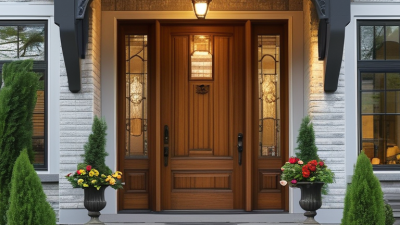
| Door with Sidelites | A main entry door installed beside one or two fixed vertical glass panels within the same entry system. | Adds natural light and visual width; sidelites may use clear, textured, frosted, or decorative glazing. | Requires careful installation around multiple frame and glass joints to prevent drafts and water intrusion. | Depends on the glazing and frame system. Insulated glass and low-emissivity coatings can improve thermal performance. | Low to moderate. Glass, seals, and frame connections should be cleaned and inspected periodically. | Security depends on the type of glass, distance from the lock, frame reinforcement, and the quality of the locking system. | Homes that need more daylight without using a wider operable door. |
A front entry door is the primary exterior door used to access a home through its main entrance. Its performance is defined by the door slab, frame, threshold, weatherstripping, glazing, locking hardware, and the quality of installation—not by the slab material alone.
Related Posts
-
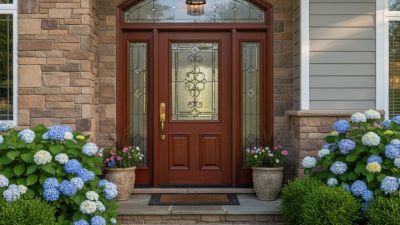
How to Choose the Perfect Home Entry Doors for Security and Curb Appeal
-
Top 10 Front Doors to Upgrade Your Home Aesthetic?
-
What is the Best Home Entry Doors for Global Buyers?
-
10 Best Entry Doors for Global Buyers in 2026?
-
Top 10 Stylish Front Doors You Need to Consider?
-
How to Choose the Best Home Front Doors for Your Needs?