



How to Choose the Best Fiberglass Doors?

Choosing a new entry door can feel simple until the options start looking alike. Fiberglass doors vary in construction, finish, glass, hardware, and insulation. Those details affect how a door looks and performs over time. A smooth surface may suit a modern home, while a wood-grain texture can echo a traditional entry. Color matters, too, especially where strong sun can fade finishes. Details matter.

A good choice starts with the home’s exposure and everyday use. A sheltered porch has different demands from an entry that faces driving rain or afternoon heat. Compare manufacturer specifications for insulation, weather seals, glass performance, and warranty coverage. Look closely at the frame and threshold as well as the door slab; a well-made door can still perform poorly when installed incorrectly. Ask a qualified installer how the product fits your opening, and request clear details about preparation and finishing. No door is perfect.

Budget deserves attention, but the lowest purchase price may not tell the whole story. Include installation, hardware, and any needed trim in the comparison. Check how the finish should be cleaned and whether repainting or touch-ups may be needed. If possible, view a full-size sample: color and texture can look different under showroom lights than beside your home’s brick or siding. Fiberglass doors can offer a practical balance of appearance and durability, but performance depends on the specific product and installation. Careful comparisons—and a few questions before ordering—make it easier to choose a door that suits both the house and the people using it every day.
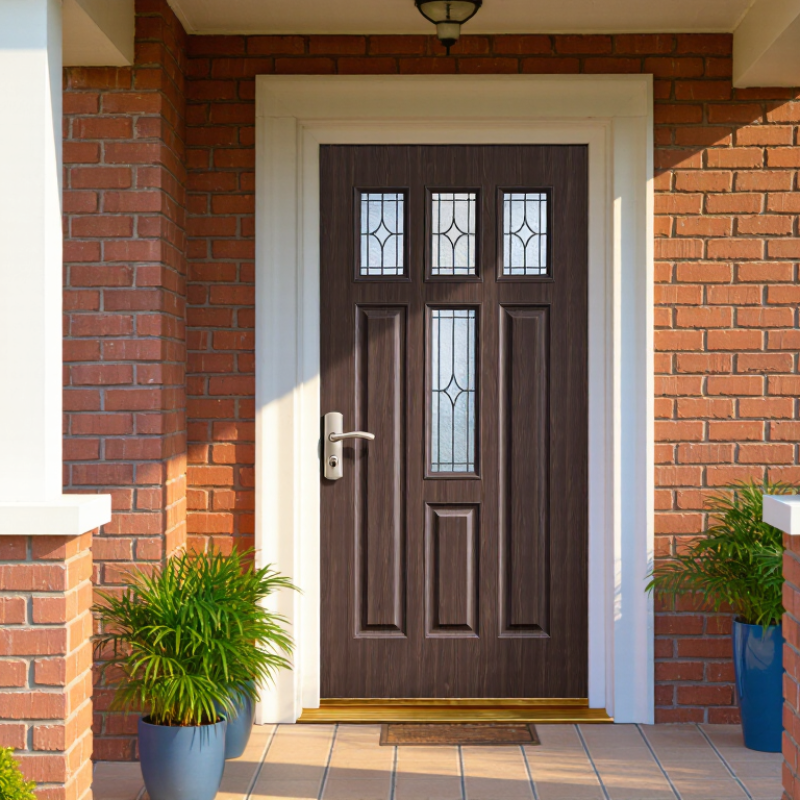
How to Choose the Best Fiberglass Doors?

Understand Fiberglass Door Types and Core Construction

Fiberglass doors are not all built or finished alike. Their faces may be smooth, molded with raised panels, or textured to suggest oak or fir. A woodgrain pattern can look convincing from a few feet away, but inspect it close: shallow embossing may seem repetitive. Slab doors fit an existing frame, while prehung doors arrive with a frame and hinges. The latter can help when an old jamb is out of square. Looks matter, too.

The core affects weight, insulation, and feel. Many models use a polyurethane-foam core between fiberglass skins; denser foam can improve insulation, but performance depends on the whole door assembly. Some doors include engineered-wood rails or stiles around the perimeter to support hinges and locks. Check the product’s published thermal rating, edge construction, and glass specifications rather than judging by the surface alone. A heavy door is not automatically a better one. And a pretty grain does not reveal the core. If possible, compare a sample and ask how the door handles moisture, temperature changes, and routine repainting. I would not assume every fiberglass door needs the same care; finishes and construction vary.

Define Your Needs for Climate, Security, and Everyday Use

How to Choose the Best Fiberglass Doors?

Start with the conditions your entry faces. For a sun-exposed opening, compare the door assembly’s solar heat gain coefficient; in colder regions, prioritize a lower U-factor. Check the National Fenestration Rating Council label or certified ratings, rather than relying on a sample panel. The U.S. Department of Energy estimates that heat gain and loss through windows account for 25%–30% of home heating and cooling energy use. That figure concerns windows, not doors, but it underscores the value of a well-sealed building envelope. Look for continuous weatherstripping and a snug threshold. A brochure cannot predict every draft.

Security depends on the full installation, not just the fiberglass skin. Check that the frame is sound, the strike area is reinforced, and the deadbolt reaches the framing. Ask about tested lock hardware and whether the installer follows the manufacturer’s fastening instructions. Large glass panels beside a lock may affect your privacy and security preferences. Small details matter.

Think about the daily routine, too. Measure clearance for furniture, strollers, or a pet; consider whether a low threshold helps people move through comfortably. In high-traffic homes, a darker finish may show scratches differently, while textured glass can soften views without blocking daylight. I would not choose by appearance alone. Performance labels have limits, and a poor fit can undermine a good door.

Compare Energy Efficiency, Durability, and Maintenance

A fiberglass door can help limit heat transfer, but the slab alone does not determine energy efficiency. Look for an insulated core, tight weatherstripping, and a well-fitted frame. Glass panels can brighten an entry, yet larger panes may increase heat gain or loss. Check the door’s stated performance ratings, and consider your local climate. Installation matters, too; even a well-insulated door can leak air around a poorly sealed frame. Small gaps count.

Tips: Compare whole-door ratings, not just material claims. Run your hand near the closed frame on a windy day to feel for drafts. Ask how the finish handles direct sun, and check whether the glass is rated for your climate. Keep the product documents.

For durability, fiberglass generally resists moisture and dents better than many wood doors, though hard impacts can still crack its surface. Its finish usually needs less upkeep than painted wood, but sun exposure may fade or wear it over time. Clean it with mild soap and water, and follow the maker’s care instructions. I would not choose by material alone; that shortcut misses the frame, seals, and finish. A small maintenance detail is easy to overlook.

Choose a Style, Finish, and Hardware That Fit Your Home

How to Choose the Best Fiberglass Doors?

Choose a door style that suits your home’s architecture and the entryway’s proportions. A simple, smooth panel can feel right on a modern facade, while molded panels or simulated wood grain may complement a traditional home. Bring finish samples outside. Indoor lighting can make a warm stain look cooler than it will on a sunny porch. Light changes everything. Also check how the color sits beside your siding, trim, and nearby flooring.

Finish is more than appearance. Fiberglass can mimic wood grain without requiring the same routine refinishing, but exposure and product care still matter. Ask how the manufacturer recommends cleaning and maintaining the chosen finish.

A national benchmark can help frame the investment: Zonda’s 2024 Cost vs. Value Report estimated a fiberglass grand entrance replacement at $11,054, with $5,857 in resale value. These are national averages, not a promise of what your project will return.

Hardware should match both the door and daily use. Confirm the lockset’s fit, backset, door thickness, and handing before ordering; mismatches can turn installation into an avoidable headache. Choose a handle finish that works with exterior lights and house numbers, not just the door color. Test the lever or knob in person if possible. Small details can feel surprisingly important. A highly decorative handle may look striking in a catalog, yet feel awkward when carrying groceries.

Check Measurements, Installation Requirements, and Warranty Terms

Measure the opening before comparing fiberglass doors. Record the width at the top, middle, and bottom, then use the smallest figure. Do the same for height, measuring from the finished floor to the header. Check jamb depth and compare the two diagonal measurements; a large difference can signal a frame that is out of square. Small errors matter. Also note the door swing, flooring height, and space available for trim. A tape measure can flex, so ask someone to steady it if you are working alone.

Installation requirements deserve equal attention. Confirm whether the door is prehung or slab-only, and whether the existing frame can remain. The rough opening must allow room for shims and adjustment, not just match the door’s listed dimensions. Check that the sill suits the entry and that flashing and sealant are specified for the surrounding wall. Keep the opening plumb and level. Even a well-made door may bind if the frame twists during installation. If the wall is uneven, pause and reassess; forcing the unit into place can create drafts or uneven gaps.

Read the written warranty before purchasing. Check what it covers, how long coverage lasts, and whether labor, glass, hardware, or finish are treated differently. Look for exclusions tied to improper installation, moisture, or maintenance, and confirm what proof is required for a claim. Requirements vary. Keep the receipt, installation records, and care instructions together. Warranty wording can feel tedious, and I have sometimes skimmed it too quickly; that is exactly when a small exclusion gets missed.

How to Choose the Best Fiberglass Doors? - Check Measurements, Installation Requirements, and Warranty Terms

Selection Dimension What to Check Practical Guidance Questions to Ask
Door and opening measurements Door slab width and height, frame dimensions, rough-opening width and height, and wall depth Measure the existing door and opening in several places; record the smallest width and height. Measure wall depth to determine the required jamb size. Do not assume the nominal door size matches the rough-opening size. Are the measurements for the slab, prehung unit, or rough opening? What installation clearances does the product require?
Handing and swing Hinge side, handle side, and whether the door swings inward or outward Confirm the handing from the correct viewing side before ordering. Check that the swing will not conflict with walls, steps, furniture, or other doors. How does the supplier define left-hand and right-hand handing? Is the unit available in the required swing direction?
Frame and threshold fit Jamb depth, sill or threshold height, floor level, and transition to adjacent flooring Check the finished floor height and exterior drainage conditions. A threshold must fit the opening while allowing water to drain away from the building. Does the frame include a threshold and weather seals? Are compatible sill or jamb options available for this wall depth?
Installation requirements Whether the door is prehung, recommended fasteners, shimming points, and required installation clearances Follow the product-specific instructions. The frame should be installed plumb, level, and square; shims and fasteners should be placed as directed. Avoid over-tightening fasteners, which can distort the frame. Does installation require a qualified installer? Which tools, materials, and number of installers are recommended?
Weatherproofing and water management Flashing, sealant, sill-pan requirements, weatherstripping, and exterior drainage Use a flashing and sealing method appropriate for the wall assembly and local building practice. Keep drainage paths clear and seal the frame-to-wall joint as instructed. What flashing details are required? Are sill-pan or other water-management components specified?
Energy and glazing performance Insulated core, glass configuration, air leakage information, and applicable energy ratings For glazed doors, compare the whole-unit U-factor and, where relevant, solar heat gain coefficient (SHGC). Lower U-factor generally indicates less heat transfer; suitable values depend on climate and local requirements. Are ratings for the complete door unit or only the glass? Does the selected configuration meet local energy-code requirements?
Warranty terms Coverage period, covered components, exclusions, transferability, and claim process Read the written warranty for separate terms on the door slab, finish, glass, hardware, and installation. Check exclusions for improper installation, lack of maintenance, or environmental exposure. Is labor included? Is the warranty transferable? What documentation and maintenance records are required for a claim?
Final order verification Size, handing, finish, glazing, hardware preparation, frame option, and delivery condition Compare the order confirmation with field measurements and the required configuration before production or delivery. Inspect the unit for shipping damage before installation. Can the order be changed after confirmation? What should be documented if the unit arrives damaged or incorrect?

Note: Dimensions, clearances, installation methods, performance requirements, and warranty coverage vary by product and location. Verify all specifications in the selected door’s installation instructions, warranty document, and applicable local building requirements.