Why Choose Replacement Front Doors for Your Home?
A front door does more than mark the entrance. It meets muddy shoes, grocery bags, cold drafts, and the daily rush out the door. When it sticks, rattles, or shows gaps around the frame, replacing it may improve comfort and refresh the home’s appearance. Still, a new door is not magic.
Replacement front doors come in materials such as fiberglass, steel, and wood, each with different maintenance needs, costs, and visual qualities. A well-fitted door can help reduce unwanted air movement, while suitable locks and reinforced hardware may support home security. Results depend on the door, the frame, the installation, and the conditions around your home. Small details matter.
Before choosing a style, look closely at the existing opening. Is the frame sound? Does water collect near the threshold? Is the problem really the door, or could worn weatherstripping be responsible? I would not assume replacement is always the best answer. A qualified installer can inspect the opening, take accurate measurements, and explain whether repair or replacement makes more sense. That takes care.
This guide explores why homeowners consider replacement front doors, what features deserve attention, and how to compare options without relying on appearance alone. You will find practical points on materials, energy performance, security, and installation. A striking finish can catch the eye, but everyday use tells the fuller story. The right choice should suit your home, local climate, budget, and routine.
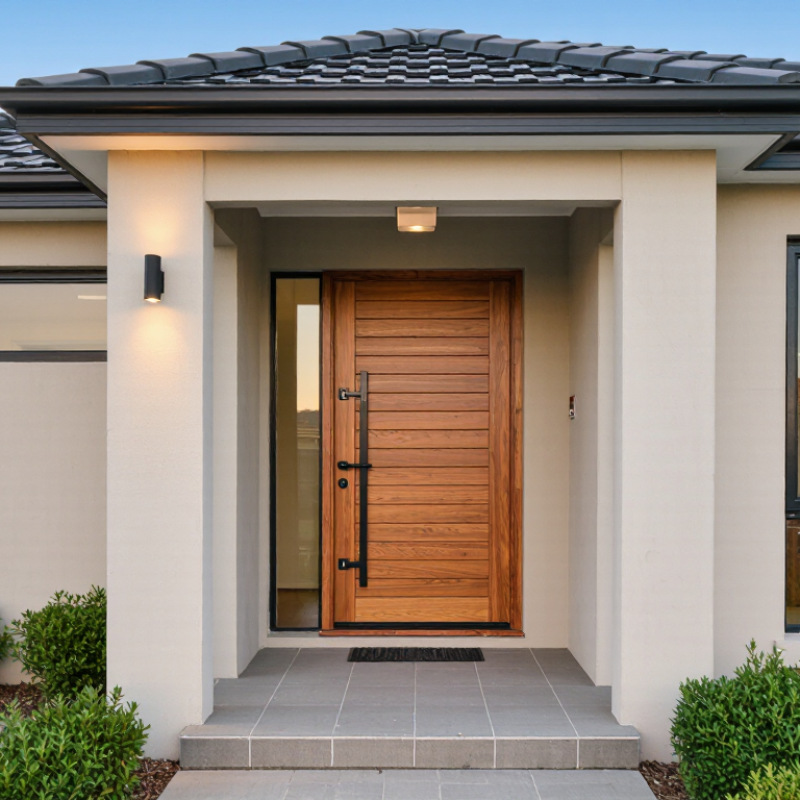
What Replacement Front Doors Are and How They Differ
A replacement front door is a new door unit fitted into an existing home opening. Depending on its condition, the installer may replace only the door slab or remove the frame, jamb, and trim as well. That differs from a new-construction door, which is designed to be installed while a wall is being built. The distinction matters: a worn or out-of-square frame can affect the fit, weather seal, and smoothness of the latch. A fresh door cannot fix every weakness around it.
Material and installation scope also shape performance. Steel doors often have insulated cores, while fiberglass doors can mimic wood grain without needing the same upkeep. Check the threshold, weatherstripping, hinges, and frame—not just the panel. In Remodeling magazine’s 2024 Cost vs. Value report, a steel entry-door replacement had a national average cost of $2,355 and an estimated resale value of $4,430. These figures are estimates, not a promised return; local labor, door size, and home condition can change the result. The old frame may be the weak link.
Tips: Before ordering, measure the opening in several places and inspect for soft wood or water staining. Ask whether the quote covers a new frame and interior trim. Measure twice. A tight-looking seal is not proof of correct installation, so check that the door closes evenly and the latch engages without force.
Door Materials, Styles, and Features to Consider
Replacement front doors differ in insulation, upkeep, and how they handle daily wear. Fiberglass resists moisture and can mimic painted or stained wood, though its finish still needs care. Steel is often budget-friendly and sturdy, but dents may be difficult to repair. Solid wood offers natural grain and easy refinishing. It can also swell or shrink as humidity changes. Consider the weather on your doorstep, not just the showroom sample.
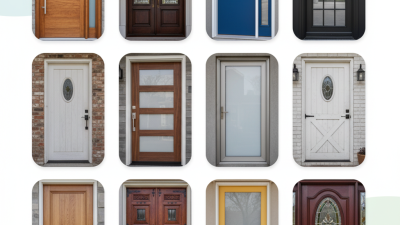
Style affects both appearance and daylight. A raised-panel door suits traditional homes, while a simple flush design feels cleaner. Glass inserts brighten a dim entry, but privacy and heat gain matter. Check glazing ratings, seals, and thresholds together. A well-made slab can still feel drafty if installation leaves gaps. Small details matter.
For a market reference, Zonda’s 2024 Cost vs. Value report estimated a 188.1% cost recoup for steel entry-door replacement. That figure is a national resale estimate, not a promised return; local prices and project scope vary. Compare frame condition, locks, weatherstripping, and warranty terms alongside material. I would not choose from photos alone. Ask how the door performs in your climate, and inspect the sill where rainwater tends to collect.
How to Assess Your Home’s Needs and Choose a Replacement Door
Before choosing a replacement front door, identify what is not working. Does cold air collect near the threshold? Is the lock difficult to use, or does the door scrape after wet weather? Look for daylight around the frame, peeling paint, and soft or swollen wood. Small clues matter. Note when each problem occurs, since drafts and sticking can change with temperature and rain.
Measure the door opening, not just the door panel. Check the frame for rot, loose trim, and signs of water entry; a new slab may not fix a damaged frame. Record the door’s swing direction and nearby obstacles, such as a narrow hallway or porch railing. A qualified installer can confirm measurements and spot issues hidden behind trim. Keep those findings in writing.
Match the door’s features to your home and routine. A sheltered entry may need different weather protection than one exposed to driving rain. Consider insulation, glazing, privacy, hardware, and how much upkeep you are willing to do. More glass can brighten a dark hallway, but it may reduce privacy. I once assumed a heavier door would automatically feel more secure; fit and a sound frame matter just as much. If you are unsure, compare written estimates that specify the door, frame work, and installation details.
What to Expect During Front Door Replacement
Replacing a front door begins with careful measuring, not shopping. An installer checks the opening width and height, frame condition, threshold, and door swing. A small measurement error can leave uneven gaps or a door that sticks. Measure twice. Before installation, confirm whether the existing frame can remain. A damaged jamb or soft, water-stained sill may need repair, which can change the scope and price.
On installation day, expect the old door and hardware to come out first. The crew fits the new unit, checks that it sits level, and secures the frame. They then seal the edges against drafts and moisture, and test the latch, deadbolt, and weatherstripping. Ask how the crew will protect nearby flooring and dispose of the old door. Details matter. The U.S. remodeling industry’s 2024 Cost vs. Value report estimated a national average cost of $2,355 for a steel entry-door replacement and a $4,430 resale value. That comparison is not a guarantee of savings; location, materials, and project conditions affect results. Still, it shows why homeowners often weigh appearance alongside practical improvements. Check the finished door yourself: it should close without force, meet the frame evenly, and leave no visible daylight around its edges. The first time it latches smoothly feels satisfying, though it is worth checking again after the weather changes.