How to Choose the Best Doors and Windows in 2026
Choosing doors and windows in 2026 means balancing comfort, energy performance, durability, and design. The phrase doors windows may sound like a simple shopping category, but every opening affects daylight, drafts, noise, and security. The U.S. Department of Energy’s Energy Saver guidance estimates that heat gain and loss through windows account for 25–30% of residential heating and cooling energy use. That figure makes product choice worth careful attention, though actual savings depend on the home, climate, and installation.
Look beyond frame material and glass appearance. Compare the National Fenestration Rating Council’s certified U-factor and Solar Heat Gain Coefficient ratings, then consider your local climate and each opening’s direction. ENERGY STAR product guidance can also help narrow options by climate zone. A north-facing window in a cold region may need different performance from a large, sun-exposed patio door. Details matter.
A strong product can still underperform if it is poorly fitted or sealed. Ask installers about flashing, air sealing, warranties, and how they handle water management around the frame. Request clear, itemized quotes. No option wins everywhere. Wood may offer warmth and repairability, while vinyl or fiberglass can reduce routine maintenance; costs and performance vary by product and location. Even published ratings cannot predict every household’s comfort. Use them as evidence, not a guarantee, and match the specifications to the building rather than chasing a single “best” label.
Identify Your Home’s Needs and Selection Criteria
Choosing the best doors and windows begins with the home, not the product. Start with the room. Note drafts near the floor, afternoon glare, street noise, and condensation around the frame. These clues help identify whether comfort, daylight, privacy, or easier operation matters most.
The U.S. Department of Energy’s Energy Saver guidance estimates that windows account for 25–30% of residential heating and cooling energy use. That range is a useful warning, not a promise of savings from replacement.
Next, match performance to local conditions. In cold areas, compare lower U-factor ratings to limit heat loss; in sunny climates, consider a lower Solar Heat Gain Coefficient to reduce unwanted heat. Check the National Fenestration Rating Council label, and compare ratings across similarly sized products.
A well-rated window can still disappoint if the opening is poorly measured or installed. Measure each opening, including trim and sill depth. Small errors matter.
Set criteria before collecting quotes: frame material, glazing, ventilation, cleaning access, appearance, and budget. Ask what installation includes, how gaps are sealed, and who handles repairs.
ENERGY STAR reports that replacing single-pane windows with certified models can reduce household energy bills by about 7–15%, depending on location. Treat that as a broad estimate. A home with newer windows may see little return, and I’d be cautious about assuming every draft comes from the glass; doors, insulation, and air leaks can be the real issue.
Compare Door and Window Materials and Construction
Choosing a frame is only part of comparing doors and windows. Vinyl usually needs little upkeep, while wood offers a warm finish but needs protection from moisture. Fiberglass resists expansion and contraction, and aluminum frames can be slim but need thermal breaks to limit heat transfer. I would not treat one material as universally best; that shortcut is tempting, and often wrong.
Construction details matter. Check the NFRC label for U-factor and solar heat gain coefficient (SHGC): lower U-factor means less heat transfer, while the right SHGC depends on climate and window orientation. The U.S. Department of Energy’s Energy Saver guidance estimates that windows account for 25–30% of residential heating and cooling energy use. ENERGY STAR reports that certified windows can reduce household energy bills by an average of 12% nationwide compared with non-certified products. Performance depends on the home and installation, though.
Look closely at glazing, seals, and frame joints. Double glazing with low-emissivity coatings can improve insulation; tight weatherstripping helps stop drafts around doors. Ask how the frame drains water, and inspect corner joins for gaps. Details matter. A high-performing unit can still disappoint if it is poorly fitted. I would compare tested ratings, warranty terms, and installer experience—not just material samples under showroom lights.
Evaluate Energy Efficiency, Security, and Durability
Choosing the best doors and windows in 2026 means balancing energy performance, security, and service life. The U.S. Department of Energy estimates that windows account for 25–30% of residential heating and cooling energy use. Check the National Fenestration Rating Council label for U-factor and solar heat gain coefficient, then compare them with your climate and orientation. ENERGY STAR’s criteria also vary by climate zone. Small differences matter. Still, a strong rating cannot promise lower bills in every home; installation quality and air leaks count, too.
Security depends on the whole assembly, not just a lock. FBI estimates recorded 779,542 burglary offenses in 2023, a national figure that cannot predict risk at one address. Consider reinforced strike plates, secure glazing, and frames anchored firmly into the structure. A door that looks solid may still have a weak jamb. That detail is easy to miss.
For durability, compare tested ratings for water penetration, air leakage, and structural performance. The AAMA/WDMA/CSA 101/I.S.2/A440 standard provides performance classifications for windows and doors. Match the rating to local wind and rain exposure, not just the product’s appearance. Salt air, freeze-thaw cycles, and direct afternoon sun can wear materials differently. I would inspect seals and hardware, too; ratings do not remove the need for upkeep.
Select Styles, Glazing, and Operating Features
How to Choose the Best Doors and Windows in 2026
Select Styles, Glazing, and Operating Features
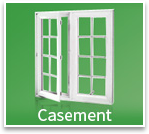
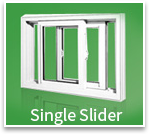
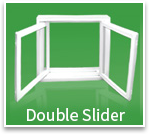
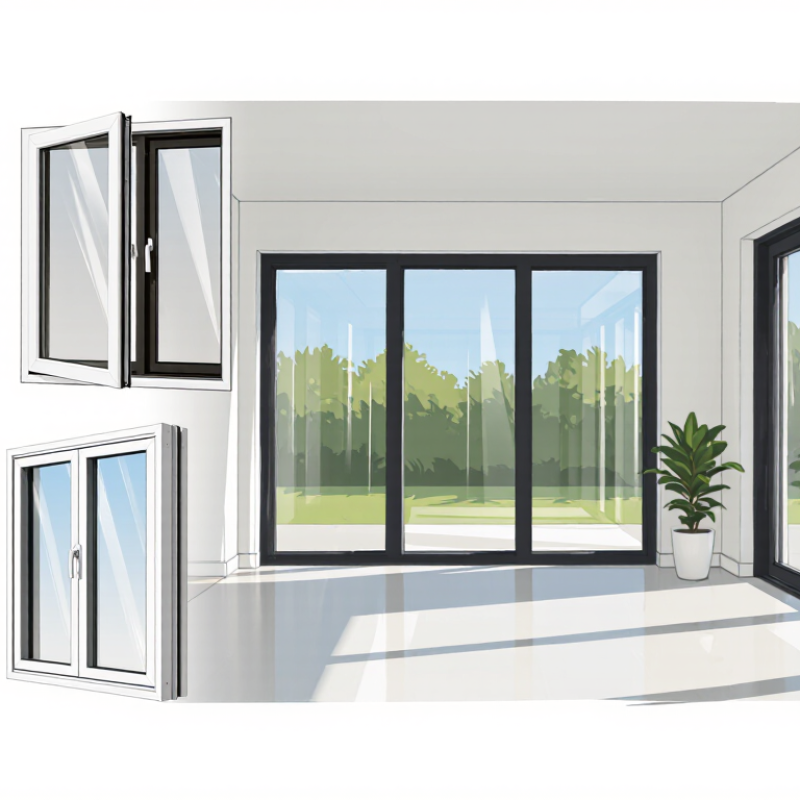
A good style should suit both the building and the way people use each room. Casement windows open wide for fresh air, while sliding models save space beside a counter or walkway. French doors create a generous opening, but need clear floor space for their swing. Measure carefully. I once underestimated how much furniture could obstruct a door, and the plan had to change.
Glazing affects comfort, daylight, and outside noise. Double glazing is often a practical choice, while triple glazing may help in colder conditions or noisy locations. Low-emissivity coatings can reduce heat transfer, but the right specification depends on climate, window orientation, and shading. South-facing glass may need different solar control from a shaded northern wall. Ask for performance figures, not just labels, and compare them with local conditions.
Operating features deserve a hands-on check. Open and close sample units if possible; a stiff handle can become irritating with daily use. Tilt-and-turn designs offer flexible ventilation, though their controls may feel unfamiliar at first. Consider reachable locks, insect screens, cleaning access, and safe ventilation. Small details matter. The best choice is rarely the most impressive option on paper. It is the one that fits the room, works reliably, and still feels sensible after a season of use.
How to Choose the Best Doors and Windows in 2026
Compare glazing options by their typical whole-window U-factor. Lower values indicate less heat transfer; choose based on your climate, comfort needs, and energy goals.
Typical approximate ranges in Btu/(h·ft²·°F). Actual ratings vary with frame, spacer, coatings, gas fill, and construction. Compare certified whole-window ratings when selecting a product.
Check Installation Requirements, Costs, and 2026 Standards
Before comparing door and window prices, check the opening, wall condition, and installation method. Measure each opening in several places; older homes are rarely perfectly square. Measure twice. Ask whether the quote includes removal, disposal, flashing, insulation, interior trim, and repairs to damaged framing. These details can change the final cost more than a small difference in product price.
Installation requirements depend on the building and local rules. In 2026, energy-efficiency targets and safety requirements may differ by location, climate zone, and project type. Confirm current local codes before ordering, especially for emergency egress, tempered glazing near doors, and required energy ratings. A qualified installer should explain how the unit will be sealed against water and air leaks, not just how it will be fastened. Request a written scope and check who handles permits where they are required.
Compare full project estimates, not just the listed unit cost. Labor, access, scaffolding, disposal, and unexpected rot can add up. Budgets shift. Ask what happens if hidden damage appears, and get approval procedures in writing. I have seen careful planning miss one awkward detail: a deep sill or thick flooring can interfere with a door’s swing. Mock up the clearance with tape before installation. That small check can prevent an expensive adjustment later.