



China Best Garage Door Manufacturers for Global Buyers?

For global buyers, finding China’s best garage door manufacturers requires more than comparing factory prices. The real test is consistency. A sectional door should open smoothly, resist rain, and arrive with every hinge, spring, seal, and instruction included.

Market data explains the growing pressure on suppliers. Fortune Business Insights and Grand View Research both report continued global growth in the garage door market, with smart controls, residential replacement, and energy efficiency driving demand. Their recent studies indicate mid-single-digit annual growth, although estimates vary by product scope and research method. That difference matters. No market report can certify an individual factory.

A reliable sourcing review should combine production experience, engineering evidence, and customer verification. Check panel thickness, insulation values, galvanized steel quality, cycle testing, wind-load performance, motor compatibility, packaging strength, and spare-parts availability. Ask for test documents linked to the exact model. A similar sample is not enough.

ISO 9001 may support process confidence, but it cannot replace independent inspection. In practical sourcing, factory visits often reveal details that brochures hide: uneven foam edges, weak cartons, or poorly labeled hardware. The details matter.

China offers mature metalworking supply chains and extensive export experience. Yet the “best” manufacturer depends on climate, opening size, building codes, certification requirements, installation methods, and after-sales support. A coastal project may need stronger corrosion protection. A cold-region warehouse may prioritize lower U-values and tighter seals.

No ranking is perfect. Buyers should compare evidence, not promises. This guide examines manufacturer capability, product quality, customization, certifications, logistics, and long-term service for international garage door purchasing decisions.
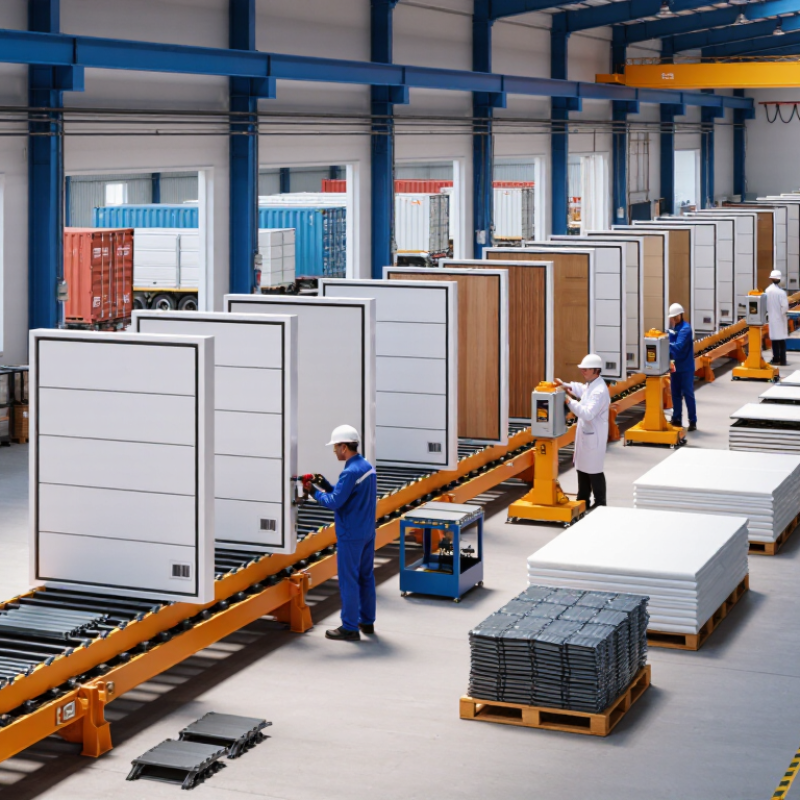
China Best Garage Door Manufacturers for Global Buyers?

Types of Garage Doors Made by Chinese Manufacturers

Chinese garage door manufacturers produce several practical designs for global buyers. Sectional garage doors remain popular for homes, workshops, and small warehouses. Their hinged panels slide vertically along ceiling tracks, saving driveway space. Steel panels with polyurethane insulation can improve indoor temperature control and reduce outside noise. Buyers should check panel thickness, seal quality, spring durability, and track alignment.

Roller doors use a compact curtain that coils above the opening. They suit garages with limited ceiling space and frequent daily use. Aluminum versions are lightweight, while galvanized steel offers stronger impact resistance.

Side-hinged doors provide a traditional appearance and simple manual operation. They can work well in older buildings, although they need clear space outside the garage. Sliding doors are also available for wide openings, but their side clearance must be measured carefully. I have seen attractive designs fail because the installation area was underestimated.

Tips

Request drawings, material samples, wind-load data, and test reports before ordering. Confirm opening dimensions, motor compatibility, insulation needs, and replacement-part availability. Ask how the factory checks welding, coating thickness, and balance testing. A lower price may hide thinner panels or weaker hardware. Specifications can look impressive, yet small details often decide service life. Even experienced buyers should leave room for mistakes and recheck every measurement.

Key Factors for Choosing a China-Based Garage Door Supplier

Choosing a China-based garage door supplier requires more than comparing factory prices. Review their experience with overseas projects, production capacity, and quality-control procedures. A reliable supplier should explain steel thickness, insulation density, spring cycles, coating methods, and motor compatibility clearly. Ask for recent test reports that match your destination market’s safety and performance standards.

Request a physical sample before placing a large order. Check panel alignment, seal flexibility, surface finish, hardware strength, and packaging protection. During factory communication, notice response speed and technical accuracy. A polished showroom can mislead. I have found that detailed drawings often reveal more than attractive product photos. Confirm warranty terms, spare-parts availability, inspection access, and responsibility for defects.

Tips: Compare at least three suppliers. Verify factory ownership and export experience. Ask for a sample inspection checklist. Clarify delivery terms, container loading methods, and replacement procedures in writing. Small details matter. Also, do not choose the lowest quotation automatically; weak packaging or inconsistent dimensions may create higher installation costs later. A careful supplier should accept reasonable questions, provide traceable documents, and admit limitations when a specification needs further testing.

How to Evaluate Manufacturer Quality, Certifications, and Capacity

Choosing among China’s best garage door manufacturers requires more than comparing prices or polished catalogs. Quality begins with traceable materials, consistent dimensions, and controlled assembly. Request steel thickness records, surface-treatment details, motor test procedures, and inspection reports for finished doors. A reliable factory should explain its process clearly, not hide behind vague claims.

Certifications need careful checking. Ask for ISO 9001 records, product test reports, and market-specific approvals such as CE, UL, or equivalent standards where applicable. Verify the certificate number, issuing body, factory address, product scope, and expiration date. A certificate covering one product may not cover every door model. That small detail causes expensive problems.

Capacity is visible in operations. During a factory audit, inspect cutting equipment, welding stations, coating areas, testing rigs, and packed goods. Ask for monthly output, normal lead times, peak-season delays, and backup material suppliers. Review recent quality records, complaint handling, and spare-parts availability. Request a production sample before placing a large order, then compare it with the approved specification. A clean showroom can mislead. Even an experienced buyer can overlook inconsistent panel alignment or weak packaging. Ask for photographs from several production days, not just one staged visit. Supplier evaluation is never perfectly predictable.

Ordering, Customization, Pricing, and Shipping from China

Reliable ordering starts with a measurable specification. Send the supplier opening width, height, panel thickness, insulation type, color, and installation location. Include photos of the existing opening when possible. Ask for drawings before production begins. A clear drawing can prevent costly changes later. Request a sample panel, hardware list, and motor compatibility details. Small mistakes become expensive.

Customization may involve sectional, roller, or insulated garage doors. Confirm wind-load requirements, sealing performance, spring cycles, and surface finish. Ask whether dimensions are cut to order or selected from standard sizes. Production timing often depends on customization and order quantity. A realistic quotation should separate door panels, tracks, motors, packaging, and spare parts. The lowest price may exclude essential hardware. I would not accept a vague “factory price.”

Shipping from China requires careful planning. Confirm the Incoterm, loading port, carton dimensions, gross weight, and estimated sailing schedule. Strong corner protection and moisture-resistant wrapping matter during long transit. Request inspection photos before shipment, including labels and package counts. Buyers should also verify local import duties, taxes, permits, and delivery access. These costs vary by destination and can change the final budget. I once underestimated inland delivery, which made the original comparison less useful. A small buffer is sensible, but it should be documented rather than guessed.

Quality Control, Installation Support, and After-Sales Service

For global buyers, quality control should be visible before a garage door leaves the factory. Ask for documented checks on panel dimensions, finish consistency, spring balance, hardware, and opening cycles. Request inspection records tied to each production batch, not just a general certificate. Small defects matter: a misaligned track can cause noisy operation, while poorly protected edges may show damage after a long sea voyage. No checklist catches everything.

Installation support deserves equal scrutiny. A supplier should provide clear drawings, hardware lists, wiring guidance, and access to a technical contact during commissioning. Ask whether instructions explain floor-level checks, track alignment, and final safety testing. The 2024 Cost vs. Value Report by Zonda estimated that U.S. garage door replacement projects recouped 194% of their cost at resale. That figure reflects resale value, not product lifespan or installation quality, so buyers should not treat it as a durability guarantee.

After-sales service is where promises become practical. Confirm warranty coverage, response times, spare-parts availability, and how claims are handled across borders. Keep photos, serial details, and installation records; they can speed up troubleshooting. I would still ask one awkward question: who owns the problem after shipment? Even a strong supplier may not prevent every delay, and that deserves honest discussion before the order is placed.

China Garage Door Suppliers: A Buyer Evaluation Scorecard

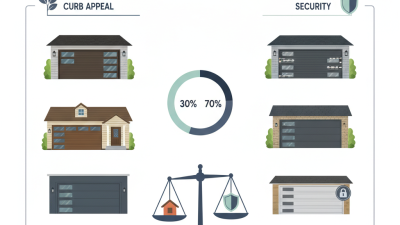
Example 100-point weighting for comparing suppliers on quality control, installation support, after-sales service, and technical documentation. These are suggested buyer-defined weights, not survey results or market statistics.

Use the same criteria and evidence requirements for every supplier. Adjust the weights to match your project’s risk, local installation needs, and applicable regulations.