Essential Tips for Choosing the Best Garage Doors
Choosing the right garage doors is a crucial decision for homeowners. According to the 2022 Remodeling Report, replacing garage doors can yield a return on investment of 93.8%. This makes it one of the best home improvement projects. However, selecting the perfect doors can be overwhelming.
Expert John Peterson, a veteran in the garage door industry, emphasizes, "The right garage doors not only enhance curb appeal but also improve energy efficiency." Many homeowners overlook the importance of durability and style. There is a wide variety of materials, designs, and features available. Each choice impacts performance and aesthetics.
Research shows that over 45% of homeowners consider garage doors as part of their overall home value. Yet, many still make impulsive choices. Reflecting on potential long-term costs is vital. Investing time in understanding options is just as crucial as the investment itself. Be thoughtful and informed.
Factors to Consider When Choosing Garage Doors
Choosing the right garage door involves careful consideration. Start with the material. Steel, wood, and fiberglass all have distinct pros and cons. Steel is durable and often maintenance-free. Wood offers aesthetic appeal, but it requires regular upkeep. Fiberglass can mimic wood while resisting corrosion. Think about what suits your needs best.
Next, consider insulation. A well-insulated door can help maintain your home’s energy efficiency. This is important if your garage is attached to your house. Check the R-value of the insulation materials available. Higher R-values indicate better insulation. This choice affects both comfort and energy bills.
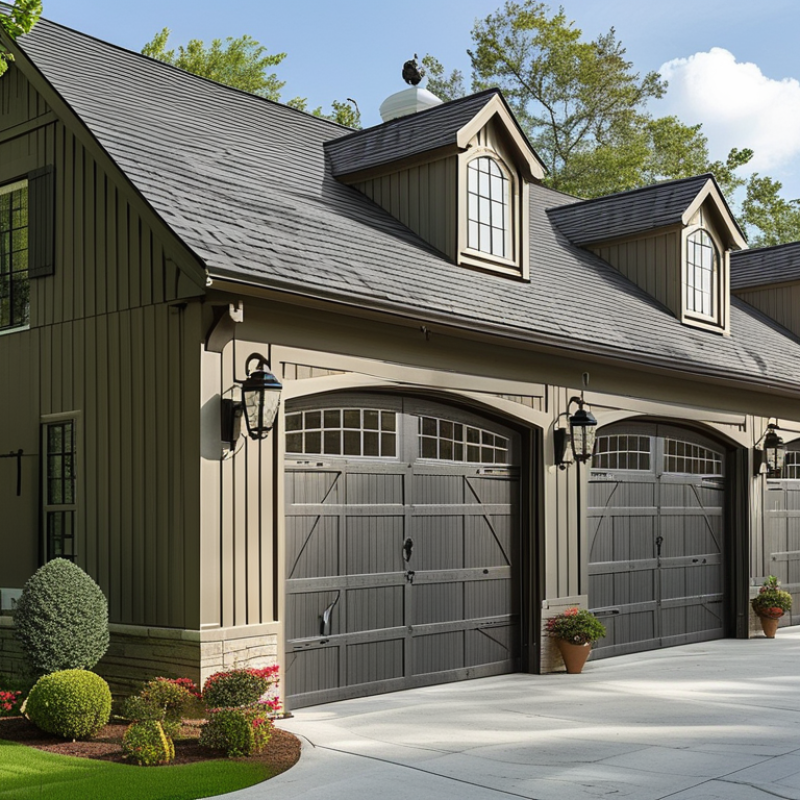
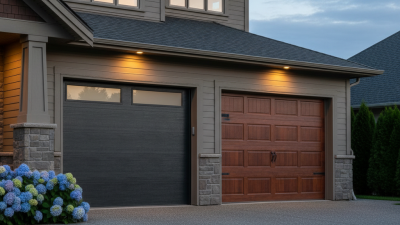
Also, don’t overlook style and security features. Your garage door should match your home's design. Look for options that enhance its curb appeal. Security is vital, too. Robust locks and sturdy construction can deter break-ins. Reflect on what balance you need between aesthetics and safety.
Types of Garage Doors and Their Benefits
When selecting a garage door, understanding the types available is crucial. Each type offers unique benefits tailored to various needs. The most common options include sectional, roll-up, and swing-out doors. Sectional doors are popular due to their energy efficiency, often made of insulated materials. Reports show that these can reduce energy costs by up to 30%.
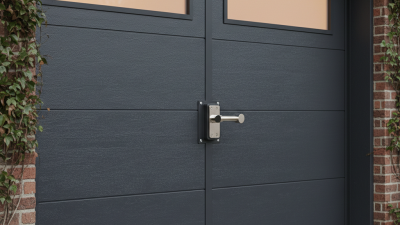
Roll-up doors are ideal for commercial settings. They maximize space and are easy to operate. However, they may lack insulation compared to sectional options. In contrast, swing-out doors add classic charm to homes but require ample space. Many homeowners overlook the practicality of this design, leading to potential conflicts with landscaping.
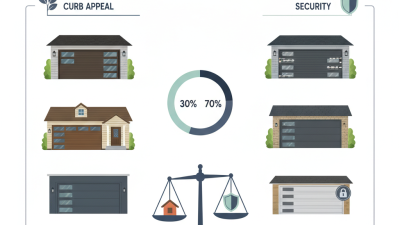
Consider aesthetic, structural, and functional elements when choosing. The right door improves curb appeal and enhances security. A study by the International Door Association reveals that 70% of potential buyers notice garage doors first. Therefore, selecting an appropriate type is more than a choice; it's an investment in your home’s future. Think carefully about your lifestyle and preferences; each type has pros and cons worth weighing.
Essential Tips for Choosing the Best Garage Doors - Types of Garage Doors and Their Benefits
| Type of Garage Door |
Material |
Benefits |
Estimated Cost |
| Sectional Garage Door |
Steel, Wood |
Durable, Insulated, Variety of Styles |
$800 - $3,500 |
| Roll-Up Garage Door |
Aluminum, Steel |
Space-Saving, Convenient for Small Spaces |
$1,000 - $3,000 |
| Tilt-Up Garage Door |
Wood, Fiberglass |
Simplicity of Design, Easy Installation |
$600 - $2,500 |
| Side-Hinged Garage Door |
Wood, Steel |
Classic Look, Easy Access |
$800 - $3,000 |
| Glass Garage Door |
Glass, Aluminum |
Modern Aesthetics, Light Entry |
$1,500 - $4,500 |
Material Options for Garage Doors: Pros and Cons
When selecting garage doors, material options play a crucial role. Each type has its own merits and drawbacks. Steel is a common choice. It offers durability and security. However, it can rust over time without proper maintenance. Wooden garage doors provide natural beauty and charm. Yet, they require frequent upkeep to prevent warping or decay.
Vinyl doors have gained popularity. They are low maintenance and resistant to dents. However, extreme temperatures can affect their color and texture. Aluminum is lightweight and resistant to rust. Still, it may not provide the same level of insulation as other materials.
Consider the garage climate when choosing a material. A warm climate may not be ideal for wooden doors. Reflect on your personal style preferences too. Will the door complement your home’s exterior? Balancing aesthetics with functionality is essential. Sometimes, the options can feel overwhelming. But taking the time to understand each type can lead to a better decision.
How to Measure Your Garage for the Perfect Fit
Measuring your garage accurately is crucial for selecting the right garage door. Begin by determining the width and height of the opening. Use a tape measure for precision. Make sure to measure at three different points. Sometimes, the width and height can vary due to uneven structures. Note the smallest measurements. Don’t forget to account for any obstructions like pipes or lights that might affect installation.
Consider the headroom also. This is the space above the garage door when it's open. Standard headroom is around 12 inches, but some garages require more. Additionally, measure the side clearances; these are the spaces beside the door opening. This ensures smooth operation and adequate fitting. Finally, review your measurements carefully. Errors could lead to ill-fitting doors. Taking time now saves frustration later. A proper fit enhances both function and appearance.
Maintenance Tips for Long-Lasting Garage Doors
Regular maintenance of garage doors is crucial for their longevity. According to a report from the International Door Association, proper care can extend the life of your garage door to 25 years or more. Routine inspections can catch minor issues before they become major problems. Checking the door’s balance, inspecting tracks, and lubricating moving parts are essential tasks. These steps can prevent wear and tear, saving homeowners costly repairs.
Cleaning your garage door is often overlooked but important. Dust, dirt, and debris can accumulate, leading to corrosion. A study published by the American Society of Home Inspectors indicates that maintaining a clean door surface can help prevent expensive damage in the long run. While it may seem mundane, washing your door regularly enhances both its appearance and function.
Ignoring maintenance can lead to unexpected breakdowns. Over 30% of homeowners report garage door failures due to lack of upkeep. It is vital to perform seasonal checks and address any signs of malfunction. Small actions can make a big difference. For example, listen for unusual sounds while operating the door. If something feels off, it’s time to investigate further or seek professional help. Regular vigilance is essential to achieving long-lasting performance.
Essential Tips for Choosing the Best Garage Doors
This chart illustrates the various factors influencing the choice and maintenance of garage doors, highlighting their importance for durability and functionality.