Top 10 Wood Veneer Types for Your Next Project?
Wood Veneer is an essential material for many woodworking projects. Its versatility and aesthetic appeal make it a popular choice. This thin layer of wood can enhance any surface while saving costs compared to solid wood. Choosing the right wood veneer can be challenging due to the variety of options available.
Different wood veneer types offer unique grain patterns and colors. Some may suit modern designs, while others are perfect for traditional aesthetics. Understanding each type's properties can help you make an informed choice. However, not all veneers are created equal, and some may not perform well in specific applications.
As you explore wood veneer for your next project, consider the grain, color, and texture that resonate with your vision. Reflect on how the qualities of different veneers will affect the overall outcome. Each choice can lead to a different experience, so it’s vital to select wisely. Think about the impact you want to create and let your creativity guide you as you dive into these top ten options.
Types of Wood Veneers: An Overview of Their Characteristics
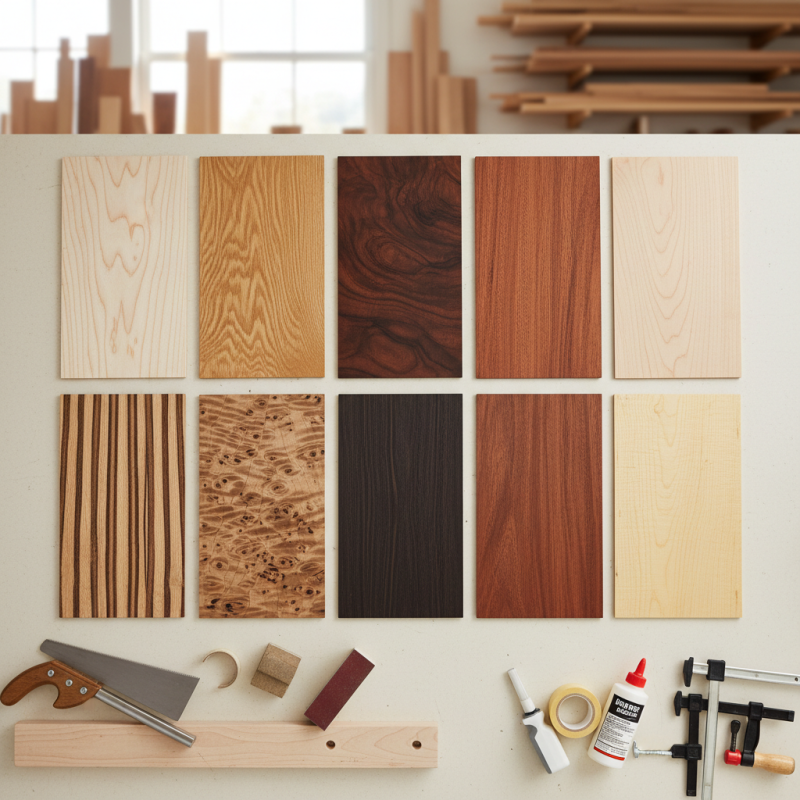
Wood veneers come in various types, each offering unique characteristics. Understanding these can elevate your project to a new level. The choice of veneer can affect the aesthetic and functional aspects of your designs.
Oak veneers are known for their durability. They have a prominent grain that can add warmth to any space. This makes them ideal for furniture and cabinetry.
Maple veneers, on the other hand, are lighter and offer a smooth, uniform appearance. They work well in modern designs but may feel less warm than oak.
For a touch of elegance, walnut veneers provide rich colors and patterns. However, their cost can be a drawback.
Birch veneers are versatile and affordable but lack the distinctiveness of higher-end types. Each wood veneer type has its strengths and weaknesses, making it crucial to consider your project’s specific needs. Reflecting on your choice can lead to more satisfying results.
Popular Applications of Different Wood Veneer Types
When selecting wood veneer for your next project, consider the popular applications of various types. Each veneer brings a unique character and functionality. For example, oak veneer offers durability and a classic look, making it ideal for cabinetry and furniture. Maple veneer shines in modern designs or minimalist spaces. Its light color makes rooms feel spacious and welcoming.
Adding textured veneers can elevate your designs. Walnut veneer is known for its rich, warm tones. It's perfect for high-end furniture or accent pieces. Birch veneer presents a subtle grain pattern, fitting well in Scandinavian-inspired settings.
Tip: Experiment with different wood combinations. Mix dark and light veneers for striking contrasts. This technique not only enhances visual interest but also challenges conventional aesthetics.
Remember, imperfections can add value. A small knot or a unique grain pattern can tell a story about the material. Embracing these features can lead to more authentic designs that stand out.
Tip: Always test samples first. This helps ensure the chosen veneer fits your project's needs and desired aesthetic. Think critically about how the veneer will interact with light and surrounding materials.
Comparative Advantages of Each Wood Veneer Type
Choosing the right wood veneer for your project can significantly impact aesthetics and functionality. Each wood veneer type offers unique benefits. For instance, oak veneers are famous for their durability and grain patterns. Reports indicate that oak is less prone to warping. This makes it a reliable choice for furniture. On the other hand, walnut veneers provide a rich, dark color that may elevate any design. Its density makes it ideal for high-end finishes.
Tip: Always consider the intended use of your project. For high-traffic areas, opt for tougher veneers like birch or maple. These woods withstand wear better than softer options.
Another popular choice is cherry veneer, prized for its natural warmth and color changes over time. Research shows that cherry becomes richer as it ages, making it appealing for long-term projects. However, it can be less scratch-resistant than others.
Tip: Sand gently to protect the surface when working with delicate species. Remember, the right veneer can transform your project into a statement piece. Understanding the properties and strengths of each type helps in making an informed choice.
Maintaining and Caring for Wood Veneer Surfaces
Wood veneer surfaces add beauty and warmth to any space. However, they require careful maintenance to keep their appeal. Regular dusting is essential. A soft, dry cloth will help maintain the finish. Avoid using water or harsh cleaners, as they can damage the veneer.
Humidity plays a significant role in the care of wood veneer. Excess moisture can cause warping. On the other hand, too little moisture can lead to cracking. Aim to keep indoor humidity levels stable, ideally between 40% and 60%. Using a humidifier may be necessary in dry conditions.
Periodic polishing can rejuvenate your veneer’s shine. Use a quality furniture polish and apply it sparingly. Remember, less is more. Too much polish can create a sticky build-up. Evaluate the surface regularly. Look for signs of wear or scratches. Promptly addressing these issues can preserve your wood veneer for years.
Tips for Choosing the Right Wood Veneer for Your Project
Choosing the right wood veneer can elevate your project significantly. Wood veneers offer a natural look and feel. They can vary greatly in appearance, grain, and durability. Understanding your project’s requirements is crucial when selecting the best type of veneer.
Tips for choosing wood veneer include considering the intended use. If your project involves high traffic or wear, a tougher veneer is essential. For decorative purposes, focus on aesthetics. Look for a wood species that complements your design. Maple, walnut, and cherry are popular choices for their unique patterns.
Another important factor is grain matching. Ensure the veneer grain pattern aligns with your overall design. Mismatched grains can disrupt visual flow. Lastly, think about the finishing process. Some veneers may require more preparation than others. Experimenting with samples can help you make better choices. Be prepared for adjustments as you refine your project.