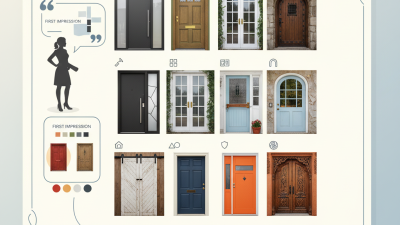




Porch doors shape more than a home’s first impression. They influence daylight, ventilation, security, weather resistance, and daily comfort. The right choice depends on climate, opening size, maintenance expectations, and architectural style.
Recent reports show why this decision deserves careful attention. Grand View Research identifies energy efficiency, renovation activity, and improved building materials as major forces in the global doors market. The U.S. Department of Energy also notes that poorly sealed openings can increase heating and cooling demands. However, porch doors are often overlooked because they sit between indoor living areas and semi-exterior spaces. That assumption can lead to warped wood, rattling glass, or uncomfortable drafts.
Building-science expert Michael Maines describes a successful home as “affordable, durable, resilient, comfortable, healthy, and energy efficient.” His principle applies directly to porch doors. A beautiful door still fails if its threshold leaks during heavy rain. A secure door may feel wrong if it blocks useful daylight.
Small details matter.
This guide examines the top types of porch doors, including hinged, sliding, French, folding, and screened options. Each style offers a different balance of space, airflow, insulation, and visual character. Energy Star guidance, WDMA performance standards, and manufacturer specifications can support a more reliable comparison. Still, product labels do not tell the whole story. Installation quality, local weather, and homeowner habits can change real-world performance. That is where many buying guides become too simple.
Placement affects daily comfort. A door facing strong winds should open safely and include reliable weather seals. Near steps, it needs enough landing space for steady entry. Check the swing direction before installation.
An inward swing may reduce escape space, while an outward swing can interfere with walkways. These details are easy to overlook. They matter.
Key features include insulated glazing, durable frames, adjustable hinges, and a low but visible threshold. Clear glass improves daylight, while textured glass offers more privacy. Ventilation panels can reduce heat buildup on sunny porches.
For households with children or older adults, smooth hardware and firm hand clearance are practical choices. Measure the opening in several places, because older walls are rarely perfectly square. A small measurement error can become a stubborn gap. I would rather allow extra adjustment than force a poor fit.
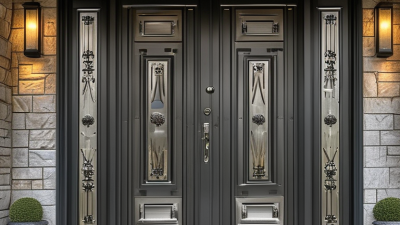
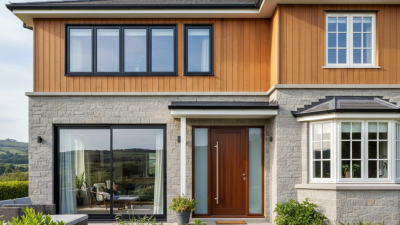
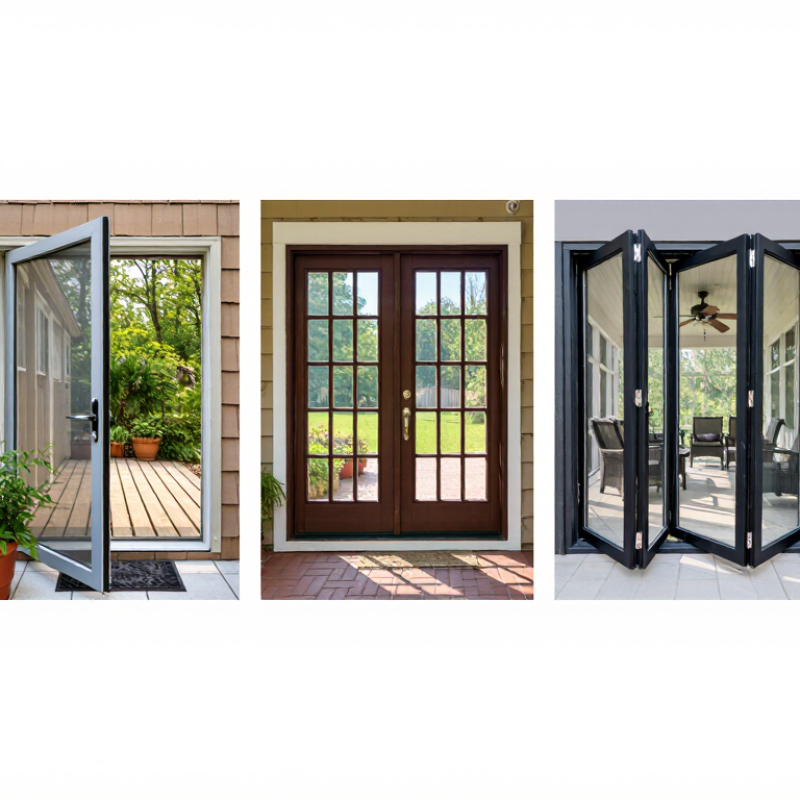
Traditional hinged porch doors remain a practical choice for entrances, side porches, and enclosed garden rooms. They swing from two or three hinges and usually open inward or outward, depending on local building conditions. Solid wood offers warmth, texture, and easy repair. However, it can swell during humid seasons. Fiberglass resists moisture and often imitates painted wood convincingly. Steel provides strong security, though exposed edges may eventually show rust if maintenance is neglected.
Common styles include paneled, glazed, louvered, and half-glazed designs. A six-panel door suits period-inspired homes, while large glass sections brighten a shaded porch. Louvered sections improve airflow without fully opening the door. Clear safety glazing is useful where people, pets, or children move frequently near the entrance. Door width, swing clearance, threshold height, and weather seals should be checked before ordering.
Small details matter. I have seen attractive doors fail because the hinges were undersized or the frame was slightly out of square. A professional installer checks plumb, level, drainage, and the condition of the surrounding wall. I still misjudge how much afternoon sun can affect dark finishes. That mistake taught me to examine exposure, not just appearance. Regularly tightening screws, repainting exposed wood, and clearing the threshold can preserve smooth operation for years. No material is perfect. The best choice depends on climate, traffic, ventilation needs, and the maintenance time a household can realistically provide.
Sliding and Folding Porch Doors: Design Options and Benefits
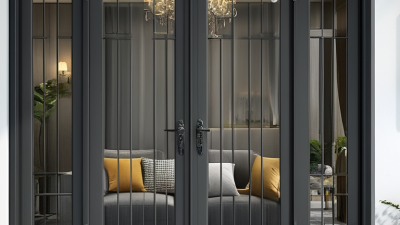
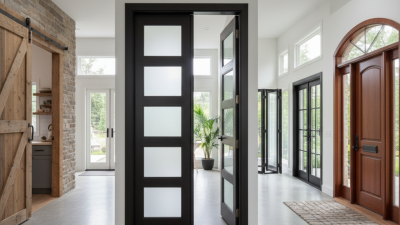
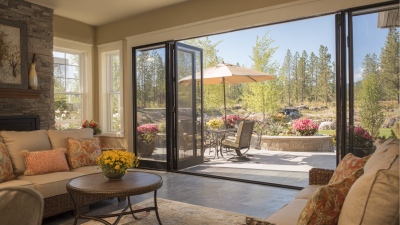
Sliding and folding porch doors can turn a closed room into a brighter outdoor connection. Sliding doors move along a track, so they need little interior clearance. Folding systems stack into a compact opening, creating a wider passage for gatherings. In practice, the choice depends on wall width, traffic, and furniture placement. A narrow porch may suit sliding panels better. A wide garden-facing wall can benefit from folding leaves.
Glazing deserves careful attention. The U.S. Department of Energy reports that windows can represent 25–30% of residential heating and cooling energy use. Large glazed doors deserve the same scrutiny. Select low-emissivity glass, insulated frames, and weather-sealed tracks. Check the National Fenestration Rating Council labels for U-factor and solar heat gain coefficient. Lower U-factor generally improves insulation. A suitable solar gain rating depends on climate and orientation. More glass is not automatically better.
Tips: Measure the opening twice, including floor height changes. Keep the track free of grit and leaves. Ask for water drainage details. I have seen beautiful folding doors perform poorly when the sill slopes toward the room. That is an easy mistake to miss. The American Institute of Architects’ 2024 Home Design Trends Survey also identified outdoor living as an ongoing residential priority. Still, daily comfort matters more than a dramatic opening. Test the handles, check panel weight, and inspect the locked position before choosing.
Sliding porch doors are commonly used for wide openings while requiring no swing clearance. Folding doors can create an even wider open passage by stacking multiple panels to one or both sides. Hinged doors remain a practical choice for smaller entrances.
Note: The chart shows representative residential opening widths. Actual dimensions depend on the building design, structure, and selected door system.
What Are the Top Types of Porch Doors?
Screened and storm porch doors serve different practical needs. Screened doors support airflow while blocking insects, making a shaded porch feel cooler on mild afternoons. However, a screen does not stop wind-driven rain or winter drafts. The U.S. Department of Energy reports that windows can represent 25–30% of residential heating and cooling energy use. Porch doors are only one part of that envelope, but loose frames can still waste comfort and energy.
Storm porch doors add a protective layer against rain, wind, and temperature changes. Look for tight weatherstripping, durable seals, and a frame that closes without rubbing. The National Fenestration Rating Council recommends comparing U-factor and solar heat gain performance when evaluating glazed products. Those ratings help, but they do not replace careful installation. A well-rated door can perform poorly when the threshold has gaps. I have seen this overlooked more often than expected.
Tips: Choose a screened door for airflow and seasonal comfort. Choose a storm door for stronger weather protection. Inspect seals each spring. Clean the track, test the latch, and watch for daylight around the frame. Do not assume thicker glass solves every problem. Orientation, shade, drainage, and local wind exposure matter too.
A practical comparison of common porch-door styles, their airflow, weather protection, and typical applications.
| Porch Door Type | Ventilation | Weather Protection | Common Materials | Typical Operation | Maintenance Considerations | Best Suited For |
|---|---|---|---|---|---|---|
| Screen Door | ★★★★★ Provides strong natural airflow while helping keep insects out. |
★☆☆☆☆ Offers little protection from rain, wind, or cold temperatures. |
Aluminum, wood, vinyl, fiberglass mesh, or metal mesh. | Hinged or sliding. | Mesh may need patching or replacement; hinges, closers, and latches should be checked periodically. | Warm, dry weather when ventilation and outdoor access are the main priorities. |
| Storm Door | ★★☆☆☆ Ventilation depends on an adjustable glass panel, screen panel, or built-in vent. |
★★★★★ Helps shield the entry door from rain, wind, snow, and some temperature changes. |
Aluminum frames with tempered or laminated glass and interchangeable screens. | Usually hinged with a pneumatic or hydraulic closer. | Glass and tracks should be cleaned; weatherstripping and closer hardware may require adjustment or replacement. | Homes needing improved entry protection, daylight, and seasonal flexibility. |
| Combination Screen-and-Storm Door | ★★★★☆ Uses a screen during mild weather and a glass panel during cooler or wet conditions. |
★★★★☆ Provides substantially more protection than a screen-only door, although performance varies by sealing and installation. |
Aluminum, steel, vinyl, glass, and removable or retractable screen systems. | Hinged; panels may slide, swap, or retract within the frame. | Moving panels, tracks, seals, and hardware need periodic cleaning and inspection. | Porches exposed to changing seasons where both airflow and weather protection are important. |
| Retractable Screen Door | ★★★★★ Allows broad ventilation when the mesh is fully extended. |
★☆☆☆☆ Mesh reduces insects but does not provide storm-level protection from rain or cold. |
Aluminum or vinyl housing with fiberglass or polyester mesh. | Rolls or slides into a side cassette or top housing. | Tracks should be kept free of dirt; mesh and tension components can wear over time. | Wide openings, frequently used porch entrances, and locations where a clear doorway is preferred. |
| Full-View Storm Door | ★★★☆☆ Provides ventilation when the full glass panel is replaced by or opened to a screen panel. |
★★★★★ Offers extensive glass coverage and strong protection against wind-driven precipitation when properly sealed. |
Aluminum or steel frame with large glass and seasonal screen panels. | Hinged with a closer and latch or lockset. | Glass cleaning, seal inspection, and closer adjustment are commonly required. | Entrances where daylight, visibility, and maximum seasonal weather protection are desired. |
| Half-View Storm Door | ★★★☆☆ Ventilation is available through an upper or lower screened section, depending on the design. |
★★★★☆ Solid panels cover part of the door and can provide added privacy and durability. |
Aluminum, steel, vinyl, glass, and screened ventilation panels. | Hinged with a fixed or adjustable glass-and-screen arrangement. | Panel seals, hinges, closers, and screen sections should be inspected seasonally. | Porches requiring a balance of privacy, impact resistance, ventilation, and weather protection. |
| Sliding Porch Door with Screen Panel | ★★★★☆ Can provide a large ventilated opening when the screen panel is positioned across the doorway. |
★★★☆☆ Protects against insects and light exposure but may be less airtight than a hinged storm door. |
Aluminum, vinyl, glass, and fiberglass or metal mesh. | Slides horizontally on top and bottom tracks. | Tracks require cleaning and alignment; rollers and mesh may eventually need servicing. | Large porch openings, patios, and areas where swing clearance is limited. |
Choosing a porch door starts with your local climate, not appearance alone.
Hinged insulated doors suit cold regions because their solid cores reduce drafts.
In mild climates, sliding glass doors bring daylight and ventilation, but their large glass panels can increase heat gain.
Screen doors work well in warm seasons, though they offer little protection during storms or cold nights.
A storm door can add another defensive layer, especially where wind-driven rain is common.
The U.S. Department of Energy reports that windows can cause 25–30% of residential heating and cooling energy use. Porch doors with extensive glazing deserve the same attention.
Check the NFRC label for U-factor and solar heat gain coefficient, or SHGC. Lower U-factor generally supports better insulation, while a lower SHGC can limit unwanted summer heat.
Climate matters. Cold homes may benefit from moderate solar gain, but hot homes often need shading and low-SHGC glass.
A tight frame matters too. Poor installation can defeat an efficient door. Look for weatherstripping that compresses evenly, a threshold that resists water, and hinges strong enough to prevent sagging.
I would not choose a beautiful glass door without checking afternoon sun exposure. That mistake is easy to make.
ENERGY STAR guidance also emphasizes certified, climate-appropriate products, but certification cannot correct an unsuitable orientation or careless fitting. Measuring the opening twice is less exciting, yet it prevents expensive adjustments later.