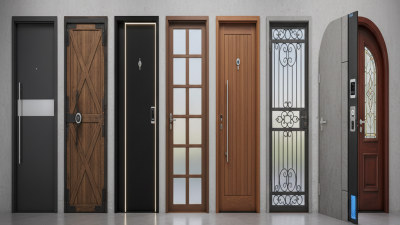
Top 10 Front Doors to Upgrade Your Home Aesthetic?
Upgrading your home’s exterior can dramatically enhance its aesthetic appeal. According to the National Association of Realtors, a stunning front door can provide up to a 75% return on investment. This makes choosing the right front doors an essential consideration for homeowners. Design expert Sarah Thompson asserts, “The right front door not only welcomes guests but also reflects your style.”
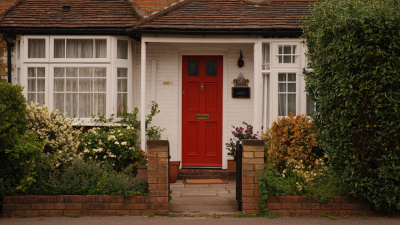
Many homeowners overlook the power of front doors in boosting curb appeal. A well-chosen door can transform an ordinary house into a striking residence. Different materials, colors, and styles can contribute to the overall look. For instance, a vibrant red door can symbolize warmth and energy, while a classic wooden door exudes timeless sophistication.
However, selecting front doors isn’t always straightforward. Some may rush into choices based on trends, neglecting their home’s unique character. Quality should never be compromised for aesthetics. Investing in durable materials ensures longevity. It’s essential to strike a balance between beauty and practicality to truly elevate your home’s entrance.
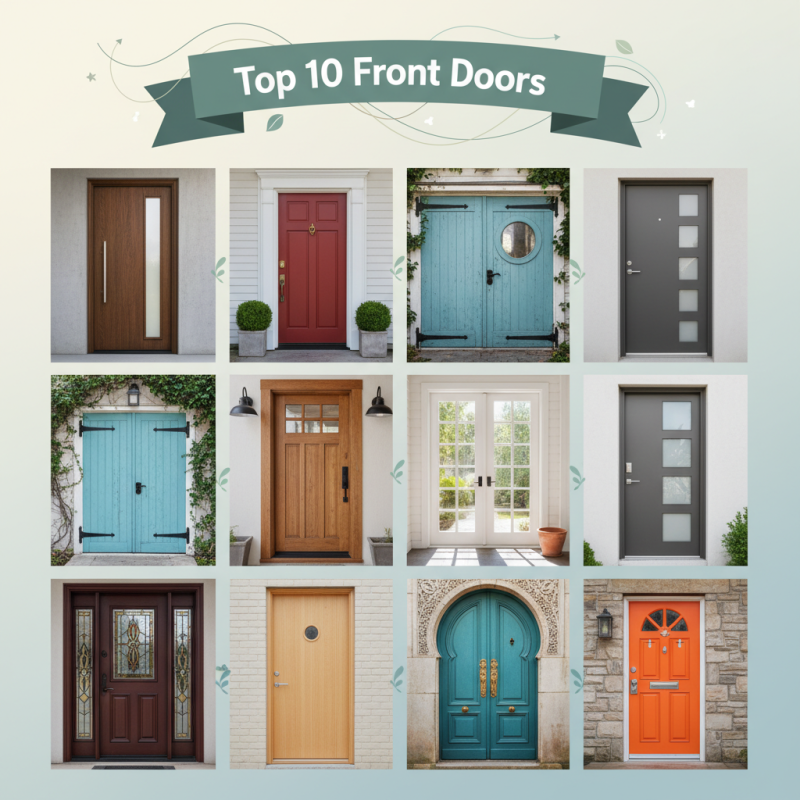
Top 10 Front Doors: Enhancing Curb Appeal and Home Value
When considering home improvement, front doors play a pivotal role in enhancing curb appeal and home value. According to the 2022 Cost vs. Value Report, a new steel front door can yield over 70% in return on investment. This statistic highlights the direct correlation between an attractive entrance and the overall appeal of a home. A well-designed front door not only elevates the aesthetic but also creates a welcoming atmosphere.
Color choice and materials are crucial factors in front door selection. Neutral colors typically appeal to a broad audience, while bolder choices can express individuality. However, it’s essential to strike a balance. Overly unique styles may deter potential buyers. The National Association of Realtors reports that homes with high curb appeal can sell 7-14% more than similar houses in the same area.
Investing in a front door is more than a cosmetic upgrade; it's a strategic choice. A beautiful front door can convey a sense of security and style. Yet, homeowners should consider their neighborhood and architectural style to avoid mismatches. Ultimately, the right front door can leave a lasting impression, boosting both property value and personal satisfaction.
The Impact of Front Door Colors on Home Aesthetic
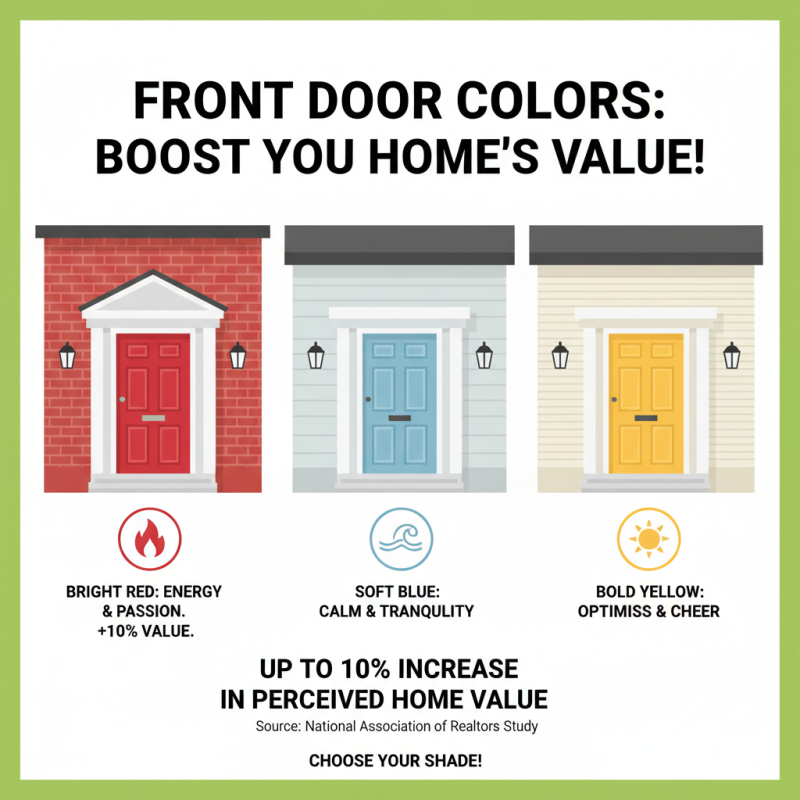
The color of a front door plays a crucial role in defining the home’s aesthetic appeal. According to a study by the National Association of Realtors, homes with a boldly colored front door can increase perceived value by as much as 10%. This striking visual impact can change the entire atmosphere of a property. A bright red door, for instance, suggests energy and passion, while a soft blue can evoke calmness and tranquility.
Research has also shown that specific colors can affect buyer behavior. A study by Zillow found that homes with black doors sold for an average of $6,000 more than similar homes with white doors. However, choosing colors requires careful consideration. A bright yellow may capture attention, but it could also deter potential buyers who prefer classic hues.
The interplay between front door color and overall architectural style is essential. An incongruous color can diminish a home’s charm. Homeowners must reflect on the message they wish to convey. Subtlety often trumps flamboyance. A muted green may blend well with nature while still standing out. Alternatively, homeowners should think twice before opting for vibrant colors that may clash with the surroundings. These choices warrant reflection, as they profoundly impact aesthetic appreciation.
Materials Matter: Wood, Steel, and Fiberglass Door Benefits
Choosing the right front door is crucial for enhancing your home's aesthetic. Wood, steel, and fiberglass are popular choices, each with unique benefits.
Wood doors offer natural beauty and warmth. They can be customized with stains and finishes to match your home’s style. However, wood requires maintenance to prevent damage from weather. Regular sealing is necessary to keep it looking good.
Steel doors are known for their strength and durability. They provide excellent security and are energy-efficient. Steel doors can resist extreme weather better than wood. Yet, they may dent more easily, and repair can be tricky.
Fiberglass doors are lightweight and resistant to warping. They mimic the look of wood while requiring less upkeep. Fiberglass is energy efficient and can be molded into various designs. However, low-quality fiberglass may not hold up well over time, so care in choice is important.
Each material has pros and cons, making the decision process an interesting challenge. Evaluate your lifestyle and home environment carefully to select the right door.
Energy Efficiency Ratings for Front Doors: What Homeowners Should Know
When upgrading your front door, energy efficiency should be a top priority. A well-insulated door reduces energy costs. It also enhances comfort year-round. Homeowners should understand energy efficiency ratings. These ratings indicate how well a door can insulate your home.
Look for doors with a high R-value. This value measures insulation effectiveness. A higher R-value means better thermal performance. Consider the door’s entire design. Features like multi-point locking systems can improve air sealing.
Many doors come with energy labels. These labels help compare options. However, some doors may look appealing but lack efficiency. Research is essential. Speak with professionals to find the best fit for your home. Not every door suits every climate. Assess your local environment before making a purchase.
Trends in Front Door Designs: Modern Styles for Every Home
Choosing the right front door can significantly elevate your home's exterior. Modern designs often blend aesthetics with functionality. Consider doors made from fiberglass or steel for better durability. Bold colors like deep blues or vibrant reds can draw the eye, making your home stand out.
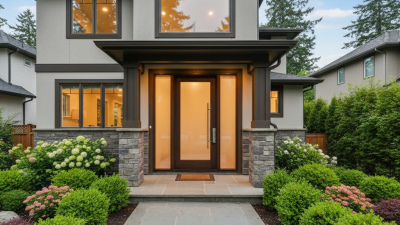
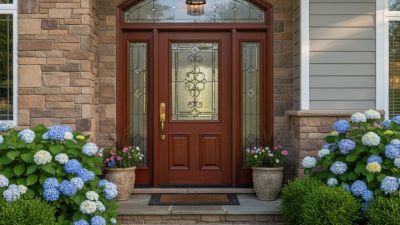
Glass panels are another popular trend. They bring in natural light, creating a warm entryway. However, transparency can expose the interior, which might not suit everyone’s privacy needs. Think about frosted or patterned glass for a stylish compromise. Sleek lines and minimalist designs are also in vogue, adding a contemporary flair without being overwhelming.
Incorporating smart technology is another growing trend. Keyless entry systems enhance security, but they require a power source. Not every homeowner may find this ideal. Additionally, customizing your door with unique hardware can reflect personal style. Yet, it’s essential to balance creativity with practicality to ensure long-term satisfaction.
Top 10 Front Doors to Upgrade Your Home Aesthetic
| # |
Style |
Material |
Color |
Features |
| 1 |
Modern |
Fiberglass |
Charcoal Gray |
Energy Efficient, Minimalist Design |
| 2 |
Craftsman |
Wood |
Rich Walnut |
Stained Finish, Decorative Glass Panel |
| 3 |
Contemporary |
Steel |
Matte Black |
Sleek Lines, High Security |
| 4 |
Traditional |
Wood |
Cedar |
Classic Design, Customizable |
| 5 |
Rustic |
Reclaimed Wood |
Natural Finish |
Vintage Feel, Eco-Friendly |
| 6 |
Transitional |
Vinyl |
Soft Blue |
Low Maintenance, Versatile Style |
| 7 |
French |
Steel |
White |
Double Door, Elegant Design |
| 8 |
Sliding |
Aluminum |
Black |
Space-Saving, Modern Look |
| 9 |
Glass |
Fiberglass |
Clear |
Natural Lighting, Contemporary Style |
| 10 |
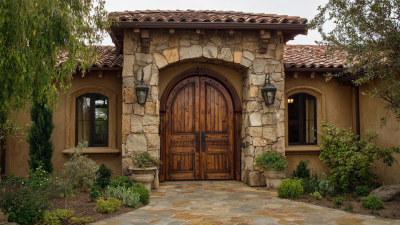
Arched |
Wood |
Earthy Brown |
Architectural Interest, Custom Design |