



Choosing the right security doors involves more than comparing steel thickness or glossy product photos. A door may look formidable, yet its frame can flex, its hinges can weaken, or its lock can fail under repeated use. The details matter. Very much.
Bruce Schneier, a respected security technologist, famously said, “Security is a process, not a product.” That principle fits security doors perfectly. Effective protection depends on the complete system, including the door leaf, frame, hinges, lock, glazing, threshold, and installation quality. This guide introduces 10 practical tips for choosing the best option for a home, office, retail space, or apartment entrance.
Look for independently tested performance, clearly stated materials, and installation records. Ask whether the product has been tested as a complete door assembly, rather than as separate components. Check the frame depth, hinge protection, multi-point locking action, and resistance to forced entry. A heavy door is not automatically a secure door. That assumption can be expensive.
Consider daily experience too. Will the door close smoothly when your hands are full? Can children, older residents, or visitors operate the lock safely? Does the design allow emergency exit, airflow, and natural light where appropriate? These practical questions are easy to overlook. I would not ignore them.
The strongest choice balances protection, durability, appearance, maintenance, and responsible installation. This overview also acknowledges an uncomfortable truth: even excellent security doors cannot correct weak walls, careless key control, or poor fitting. Good security is never one purchase. It is a continuing decision.
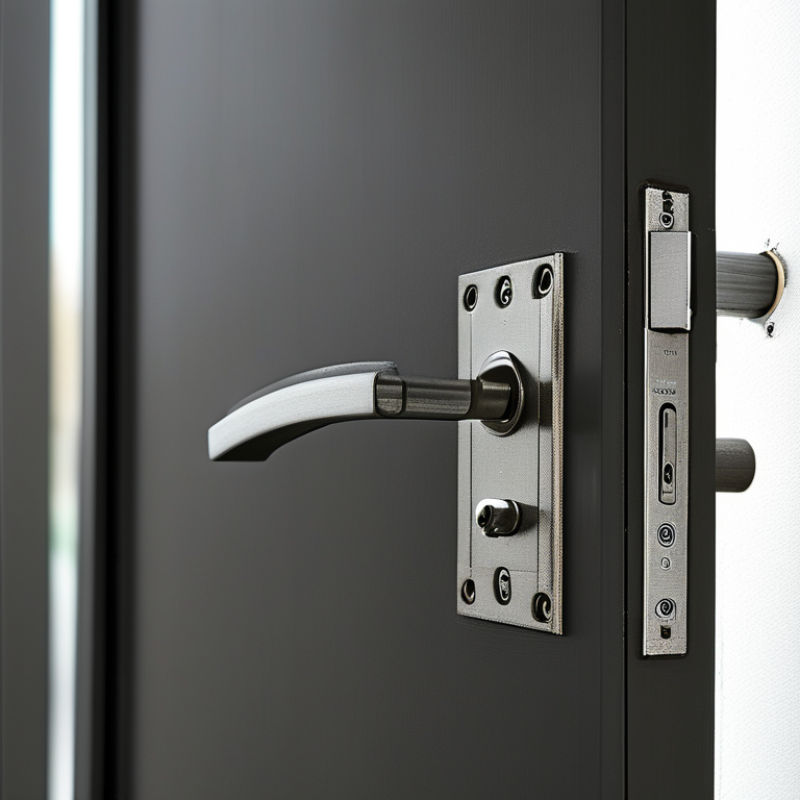
10 Tips for Choosing the Best Security Doors
What Makes a Security Door Effective and Reliable?
A reliable security door is more than a heavy metal panel. It is a tested assembly, including the leaf, frame, hinges, locks, threshold, and installation. EN 1627 resistance classes offer a useful comparison for forced-entry performance. Ask for certification, test scope, and installation requirements. A high rating means little if the frame is weak or poorly anchored. Fit matters.
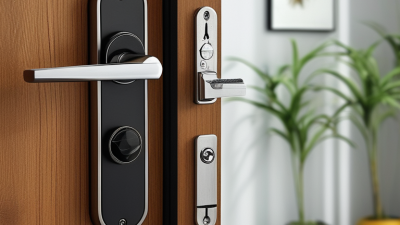
Look closely at the details. A multi-point locking system, reinforced hinge side, concealed fixings, and a strong strike area can reduce common attack points. The lock should resist picking, drilling, and forced manipulation, while remaining easy for occupants to operate. Weather seals also matter; a warped or corroded door becomes less dependable over time. The U.S. Federal Bureau of Investigation recorded an estimated 847,522 burglary offenses in 2023, according to its Crime Data Explorer. That figure does not prove that one door prevents every incident. It does show why practical resistance deserves attention.
Security should not compromise fire safety or emergency exit access. The National Fire Protection Association estimated 1,360,000 U.S. fires in 2023. Where required, select a properly rated assembly and verify compliant hardware. Ask an experienced installer to inspect wall construction, alignment, drainage, and maintenance needs. Not enough. Product claims should be supported by independent test reports, clear warranty terms, and documented service procedures. I would also question impressive strength claims without evidence from repeatable testing. Reliability is demonstrated in daily use, not only in a showroom.
Choosing a security door starts with evidence, not weight. The FBI’s 2022 Crime Data Explorer estimated 847,522 burglary offenses in the United States. That number supports careful entry protection, but it does not identify the best door. Test the slab, frame, hinges, lock area, and wall connection as one system. Steel resists impact well. Aluminum resists corrosion but may need reinforcement. Solid timber can be strong, yet moisture and splitting require inspection. Look for documented forced-entry testing, such as ASTM F1233 or EN 1627. Check the exact class, test configuration, and laboratory. A certificate without those details is weak evidence.
Measure ten practical points: slab thickness, core density, frame gauge, hinge security, anchor spacing, lock protection, glazing type, threshold strength, corrosion finish, and installation quality. Shortcuts matter. A strong slab can fail when anchors sit only in plasterboard. Choose laminated security glazing when sidelights create exposure. Ask whether the rating covers the complete assembly, not only the lock. EN 1627 classes help comparison, but local fire and accessibility requirements still apply. NFPA’s Home Structure Fires report estimated 374,300 residential fires in 2023, making safe emergency exit essential. I would inspect the door after installation. Loose screws, daylight at the jamb, or a dragging threshold signal trouble. Ratings age. Maintenance is easy to forget.
A secure door begins with the locking system, not the handle.
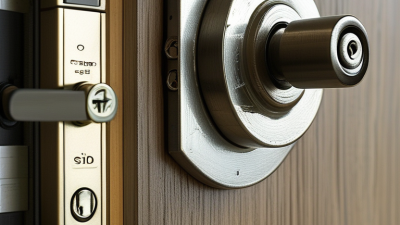
During residential inspections, I look for a strong deadbolt or a multipoint lock that secures the door at several points. The frame must also resist movement. A powerful lock can still fail when installed in a weak frame. Ask whether the cylinder resists drilling, picking, and forced removal. Certification from an independent testing body provides useful evidence, although it should not replace a careful installation check.
Access features should match the people using the door.
A keypad helps families avoid hiding spare keys under flowerpots. Temporary codes can support cleaners or contractors, but remove them after the visit. Fingerprint readers are convenient, yet wet or dirty fingers may cause delays. An electronic lock should include a protected manual key option and a clear low-battery warning. Some systems record entry times, which can improve accountability. They can also create confusing data when users share codes.
Consider emergency access and daily habits.
An interior thumb turn may allow quick exit without searching for a key. Check local fire and building requirements before choosing it. An intercom or video viewer is useful when children answer the door. However, cameras need careful privacy settings and regular software updates. Test every feature with gloves, poor lighting, and a dead phone. Real conditions are less friendly than showroom demonstrations. My own mistake was trusting a smart keypad without checking its backup power method. Reliability often depends on small details.
How to Compare Installation Methods, Durability, and Maintenance Needs
A strong security door begins with accurate measurements. Measure the frame at several points, because older walls often shift slightly. I once trusted one measurement and regretted it. The door fitted, but the latch needed adjustment. Small details matter. Compare surface-mounted and recessed installation methods carefully. Surface mounting is usually simpler and suits many existing openings. Recessed installation can look cleaner, but it requires deeper preparation and greater accuracy. Ask the installer how they will protect the surrounding plaster, flooring, and weather seals.
Durability depends on more than thick metal. Examine the frame joints, hinge design, lock protection, mesh strength, and corrosion-resistant finish. A heavy door is not automatically a better door. Check whether the hinges can support its weight without sagging. Request written information about testing, coating performance, hardware coverage, and installation workmanship. Qualified installers should explain drainage, ventilation, and emergency access without making unrealistic promises. Their answers reveal practical knowledge. Vague claims deserve caution.
Maintenance needs should be clear before purchase. Ask how often hinges require lubrication and whether replacement seals remain available. Inspect the bottom track after rain, especially if leaves collect near the threshold. Clean dust from the lock area with a soft brush, not excessive oil. Coastal homes may need more frequent washing because salt can accelerate corrosion. My earlier assumption was that stainless hardware needed no attention. That was wrong. A quick seasonal inspection can reveal loose screws, worn seals, or early rust. Keep the care instructions nearby. They are easy to forget.
10 Tips for Choosing the Best Security Doors?
Choosing the right security door begins with your property, not fear. The FBI’s 2023 Crime in the Nation report estimated 847,522 burglary offenses nationwide. That figure offers context, not a prediction for your address. Walk around the entrance during daylight and evening. Check exposed hinges, sidelights, weak frames, poor lighting, and hidden corners. Decide whether you need basic reinforcement or stronger forced-entry resistance. No door is invincible.
Measure the opening, wall condition, threshold, and swing direction carefully. A strong slab can still fail inside a flexible frame. Compare steel, aluminum, and reinforced composite construction according to corrosion, weight, and maintenance needs. For glazed sections, ask about laminated safety glass and secure fixing. Request independent test documentation for the complete door assembly, not only the lock. Confirm the testing method, resistance level, hardware quality, warranty, and installer experience. I would not trust impressive sales language without written evidence.
Build the budget around the installed system. Include the door, frame, locks, masonry changes, delivery, maintenance, and future adjustments. A low-priced slab may become expensive when the frame needs rebuilding. The U.S. Department of Energy notes that air leakage can represent 25–40% of heating and cooling energy use, so inspect seals and thresholds closely. Select weather-resistant gaskets and a door that closes without force. Compare at least three detailed quotations. Leave room for uncertainty; older walls often reveal problems after removal begins.
| No. | Selection Tip | What to Check | Practical Benchmark | Budget Impact | Verification Method |
|---|---|---|---|---|---|
| 1 | Assess the Door’s Location and Risk | Consider whether the door is at the main entrance, a rear entrance, a basement, an apartment corridor, or a commercial access point. | Use higher resistance for isolated, concealed, or easily accessed entrances. Prioritize visibility and controlled access for public-facing doors. | Low to High | Review crime exposure, lighting, neighboring access points, and the number of occupants who need entry. |
| 2 | Choose a Strong Door Leaf | Compare solid-core, steel-faced, aluminum, and reinforced composite construction rather than judging security by appearance alone. | A steel or reinforced composite leaf generally provides better resistance to forced entry than a thin, hollow interior door. | Medium | Ask for the door’s core type, face-sheet thickness, reinforcement details, and complete product test documentation. |
| 3 | Inspect the Frame and Wall Connection | A strong door can fail if the frame, hinges, anchors, or surrounding wall are weak. | The frame should be securely anchored to structural material, with minimal movement when the closed door is pushed or pulled. | Medium to High | Have the installer inspect masonry, concrete, or stud framing and specify anchor locations before ordering. |
| 4 | Select a Suitable Locking System | Evaluate deadbolts, multipoint locks, latch protection, cylinder security, and the availability of emergency egress. | The lock should engage fully into a reinforced strike area. Exit doors must comply with local fire and egress requirements. | Medium to High | Confirm lock testing, key control, replacement procedures, and whether the hardware meets local building regulations. |
| 5 | Verify Independent Security Testing | Look for testing against recognized forced-entry standards applicable to the installation country or region. | Examples include EN 1627 resistance classes, PAS 24 certification, or an equivalent locally recognized test; the complete door assembly should be covered. | Medium | Request a current certificate or test report identifying the exact door, frame, hardware, glazing, and configuration. |
| 6 | Balance Glazing and Visibility | Glass can improve visibility but may become a vulnerable point if it is not designed for security use. | Use laminated security glazing where appropriate, with glazing beads and retention methods designed to resist removal from the attack side. | Medium to High | Check the glass classification, thickness, mounting method, edge protection, and whether it was tested with the door assembly. |
| 7 | Consider Weather and Corrosion Resistance | Outdoor doors must withstand rain, humidity, salt air, temperature changes, and ultraviolet exposure. | Choose corrosion-resistant finishes, sealed edges, weatherstripping, a threshold system, and drainage appropriate to the climate. | Low to Medium | Review the finish warranty, corrosion test information, maintenance instructions, and compatibility with the local climate. |
| 8 | Check Fire, Smoke, and Egress Requirements | Security features must not prevent safe evacuation or conflict with fire-rated wall and door requirements. | Where required, use a complete fire-rated assembly with compatible hinges, closer, latch, frame, and approved glazing. | Medium to High | Confirm the required fire rating, panic-hardware rules, door swing, clear opening, and local inspection requirements. |
| 9 | Measure for Proper Fit and Accessibility | Incorrect measurements can cause gaps, rubbing, lock misalignment, water intrusion, and difficult operation. | Measure the rough opening, frame dimensions, sill condition, door swing, threshold height, and available maneuvering space. | Low to Medium | Use a qualified surveyor or installer and verify accessibility clearances required by local regulations before fabrication. |
| 10 | Compare Total Cost and Maintenance | Compare the complete installed cost, not only the door slab or advertised hardware price. | Include the frame, locks, glazing, delivery, removal, installation, permits, access-control integration, repairs, and future key or cylinder replacement. | Low to High | Request itemized quotations and compare warranty length, service response, replacement-part availability, and annual maintenance needs. |
Note: Security performance depends on the complete door assembly, installation quality, surrounding construction, and local building, fire, accessibility, and insurance requirements.