



How to Choose the Best Vinyl Doors for Your Home?

Choosing the best vinyl doors for your home involves more than comparing colors and showroom prices. A door must manage weather, security, comfort, and everyday use. It should also fit the wall opening accurately, without forcing the frame into place.

Industry guidance supports this practical approach. The U.S. Department of Energy identifies air leakage, insulation, glazing, and installation quality as important factors in residential energy performance. ENERGY STAR product guidance also emphasizes tested efficiency, certified labeling, and suitable climate performance. Meanwhile, the Fenestration and Glazing Industry Alliance highlights water resistance, structural strength, and reliable installation in fenestration testing. These reports do not make selection effortless. They make the checklist more honest.

Building-science expert Joseph Lstiburek offers a useful warning: “If you want to control water, you have to control water.” His principle applies directly to vinyl doors. Examine the sill, drainage paths, weather-stripping, and the installer’s flashing method. A beautiful door with a poorly sealed threshold can still produce cold drafts, staining, or swelling nearby materials.

Vinyl doors can offer low maintenance, stable performance, and attractive thermal properties. Yet no material solves every problem. Dark colors may absorb more heat, hardware can wear, and cheap profiles may feel flexible. I may be oversimplifying one point: product quality varies widely within the same material category. This guide will compare frame construction, glass packages, seals, safety features, climate suitability, warranties, and installation details. The right choice should feel quiet, close firmly, and remain dry after a hard rain.
How to Choose the Best Vinyl Doors for Your Home?

Define Your Home’s Door Requirements and Priorities

How to Choose the Best Vinyl Doors for Your Home?

Define Your Home’s Door Requirements and Priorities

Choosing a vinyl door should begin with your home, not a showroom display. Study each entrance during different weather conditions. Note drafts, water marks, sunlight, and noise from outside. These details reveal more than appearance alone.

Measure the opening carefully, including width, height, depth, and surrounding wall condition. An uneven frame may require professional adjustment. Check whether the door swings inward or outward. Leave enough space for furniture, children, and emergency movement. If someone uses a mobility aid, the clear opening becomes especially important. Local building requirements may also affect size, glazing, and safety hardware.

Your priorities should match the room’s real demands. A south-facing entrance may need strong resistance to heat and fading. A back door near a garden may require a durable threshold and reliable weather seals.

For busy households, low maintenance can matter more than decorative details. Security should include a solid locking system, reinforced hinges, and strong installation.

Energy performance deserves attention too, but advertised ratings need careful comparison.

My first mistake was focusing on color before checking the frame. It looked attractive, yet the old opening leaked during heavy rain. That experience changed my process.

I now request written specifications, installation details, warranty terms, and maintenance instructions. Budget matters, but the cheapest option may bring higher repair costs later.

Vinyl can be practical, though it is not perfect for every climate or doorway.

Compare Vinyl Door Styles, Materials, and Construction Quality

Choosing the best vinyl door starts with comparing style, material, and construction quality.

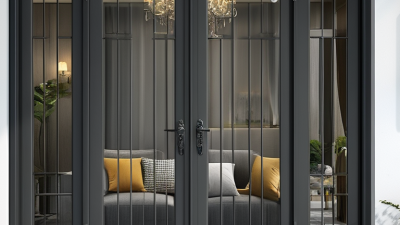
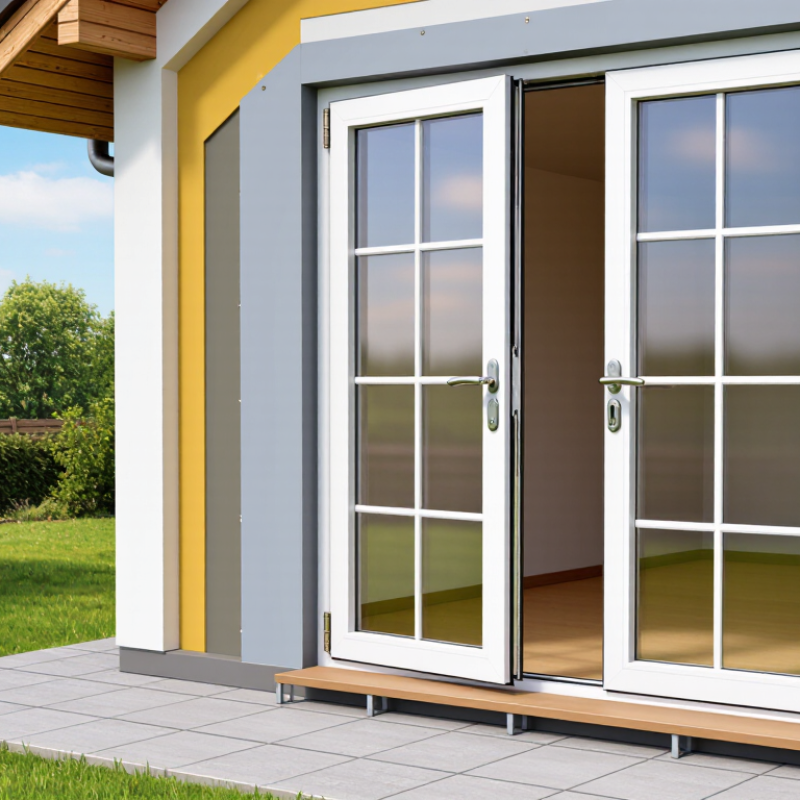
Sliding doors save space and suit patios, while hinged doors create a stronger entry presence. French-style designs add daylight but need careful weather sealing. Vinyl resists moisture, insects, and peeling, yet basic profiles can feel flexible.

Look for welded corners, reinforced lock areas, adjustable hinges, and compression weatherstripping. A solid threshold matters. It reduces drafts near the floor, where cold air often collects.

The U.S. Department of Energy reports that windows can cause 25–30% of household heating and cooling energy use.

Doors are not identical, but poor glazing and installation can still weaken comfort. Check the National Fenestration Rating Council label for U-factor and solar heat gain coefficient. Lower U-factor usually means better insulation, while SHGC should match your climate and sun exposure. ENERGY STAR specifications also provide useful performance benchmarks, though regional requirements differ.

Tips:

Compare the whole door unit, not only the vinyl frame. Ask how the frame is reinforced and tested. Inspect the sill for drainage paths. Confirm that installers measure the opening twice. Small errors create large air leaks. I have seen attractive doors fail because the wall opening was uneven. That detail is easy to overlook. Also, clear glass may brighten a room but increase summer heat. A low-emissivity option can be wiser. Review the data, then judge the door with your hand: it should close evenly, lock without force, and feel stable.

Evaluate Energy Efficiency, Security, and Weather Resistance

How to Choose the Best Vinyl Doors for Your Home?

A vinyl door should protect your home through heat, rain, and winter drafts. Check its energy rating before judging its appearance. Look for low U-values, insulated cores, and double- or triple-pane glass. A tight frame matters too. Even excellent glass performs poorly when the installation leaves gaps around the opening. Ask for test results from recognized certification programs, and compare them with your local climate.

Security needs practical inspection. Choose a reinforced frame, a strong strike plate, and a multi-point locking system. Laminated glass can resist impact better than ordinary glass near the handle. Check whether hinges remain protected when the door is closed. However, no vinyl door is completely burglar-proof. I once noticed that an attractive model had a weak lock cylinder, which changed my opinion quickly.

Tips: Press the closed door gently. It should feel stable, not flexible. Examine the corner welds and weather seals for uneven gaps. After rain, inspect the threshold and drainage channels. In windy areas, ask about tested air leakage and water resistance. Request installation details in writing, including flashing and sill support. A reliable installer should explain maintenance, warranty limits, and local building-code requirements without avoiding difficult questions.

Choose the Right Size, Features, and Installation Method

How to Choose the Best Vinyl Doors for Your Home?

Start with accurate measurements, not guesswork. Measure the opening width at the top, middle, and bottom. Check the height on both sides. Record the smallest measurements. A slightly uneven opening is common in older homes. I once saw a door ordered too wide because the installer measured only one corner. That mistake delayed the project.

Choose features that match your room and climate. Low-emissivity glass can reduce heat gain near sunny patios. Multi-point locks may improve security on exterior doors. Look for tight weatherstripping and a strong, adjustable threshold. In wet areas, drainage channels help move water away from the frame. Smooth-gliding rollers matter for sliding doors. Small details matter. However, more features can increase cost and maintenance. Think carefully before adding options you may never use.

Your installation method should fit the existing structure. A replacement installation uses the current frame when it remains square, dry, and undamaged. A new-construction installation is better when walls are exposed or the frame needs rebuilding. Professional installers should inspect flashing, shims, insulation, and the sill pan. These parts prevent hidden leaks. DIY installation can work for experienced homeowners, but alignment is unforgiving. The door may look level while rubbing at the bottom. Local building requirements can also affect glass, egress, and fastening details. I would check them before ordering, not after.

How to Choose the Best Vinyl Doors for Your Home?

Choose the right size, features, and installation method.

Choose the right size

60-inch and 72-inch two-panel doors suit many standard openings. A 96-inch three-panel door provides a wider passage and more daylight. Always measure the finished opening and verify the manufacturer’s rough-opening requirements.

Prioritize useful features

Look for insulated Low-E glass, weather-resistant seals, a durable multi-point lock, smooth-rolling hardware, and safety glazing where required by local building codes.

Select the installation method

Use a replacement installation when the existing frame is sound and dimensions match. Choose a full-frame installation when the frame, sill, flashing, or surrounding structure needs replacement or inspection.

Chart values are common nominal widths in inches. Planning rough-opening widths are shown as nominal width plus ½ inch; actual requirements vary by product and installation instructions.

Set a Budget and Select a Reliable Vinyl Door Supplier

How to Choose the Best Vinyl Doors for Your Home?

Set a Budget and Select a Reliable Vinyl Door Supplier

A practical budget should cover more than the door price. Include delivery, removal of the old door, installation, hardware, and possible wall repairs. In my experience, the cheapest quote can become expensive after small omissions appear. Measure the opening carefully, then request an itemized quotation. Compare frame thickness, glass type, insulation performance, warranty coverage, and expected delivery time. A realistic budget also leaves room for adjustments. Home projects rarely go perfectly.

Tips: Ask suppliers for written specifications, recent project photos, and material samples. Check whether the supplier explains installation details clearly. A reliable supplier should answer technical questions without vague promises. Confirm who handles damaged parts, delays, and warranty claims. Read the warranty conditions carefully. “Long warranty” means little without practical support.

Look for suppliers with verifiable experience in residential doors. They should provide clear company information, product documentation, and references when available. Ask how the vinyl is tested for weather exposure, color stability, and sealing performance. Local climate matters. Strong sunlight, heavy rain, or freezing temperatures can affect door performance. Also check whether the proposed design meets applicable local building requirements. I would not choose based on appearance alone. A beautiful door with poor installation may leak air or water. Supplier reliability deserves equal attention.

How to Choose the Best Vinyl Doors for Your Home? - Set a Budget and Select a Reliable Vinyl Door Supplier

Practical planning guide for typical U.S. residential projects. Prices are approximate planning ranges in USD and vary by size, glazing, location, labor, and existing-opening conditions.

Decision Dimension Typical Data or Performance Benchmark Typical Budget Impact What a Reliable Supplier Should Provide Recommended Action
Sliding Vinyl Patio Door Commonly available in two- or three-panel configurations. Standard replacement sizes often cost less than custom-sized units. Double-pane insulated glass is widely used for residential applications. Approximately $1,000–$4,000 installed, depending on size, glass, hardware, removal, and wall-opening repairs. Written dimensions, rough-opening requirements, glass specifications, warranty terms, and a clear installation scope. Good for space efficiency
Hinged Vinyl Patio Door Usually provides a wider opening than a single sliding panel and may include one active leaf with one fixed leaf. Requires sufficient swing clearance inside or outside. Approximately $1,500–$5,000 installed. French-style configurations and decorative glass generally increase cost. Door-swing details, threshold height, weather-sealing design, hardware options, and confirmation that the opening is square and structurally sound. Good for wider access
Entry-Door Energy Performance Compare the whole-door U-factor rather than glass alone. Lower U-factor means less heat transfer. A practical comparison range for insulated residential doors is often about 0.17–0.30, depending on construction and glazing. Higher-performance cores, insulated glass, and improved weather-stripping may add roughly 10%–30% to the product price. A permanent product label or technical sheet showing U-factor, solar heat gain information where applicable, air leakage data, and test standards. Prioritize for extreme climates
Glass Selection Double-pane insulated glass is a common baseline. Low-emissivity coatings can reduce heat transfer, while laminated or tempered safety glass can improve safety in locations required by building codes. Upgrading from basic clear glass to low-emissivity, laminated, decorative, or impact-rated glass commonly adds 5%–35%. Glass thickness, spacer type, coating description, safety-glazing compliance, and written confirmation of the selected configuration. Match glass to exposure
Weather Resistance Look for multi-point compression seals, corrosion-resistant hardware, sloped or weep-managed thresholds, and tested resistance to air and water infiltration. Enhanced sealing and threshold systems may add approximately $100–$500 to the product cost before installation. Air-infiltration and water-penetration test results, installation flashing details, sill-pan requirements, and maintenance instructions. Essential for exposed walls
Security Features Useful features include reinforced lock areas, adjustable rollers, anti-lift devices for sliding doors, multi-point locks, and impact-resistant or laminated glazing where appropriate. Security upgrades commonly add about $75–$600, depending on lock type, hardware, and glass specification. Hardware grade, lock locations, replacement-key policy, anti-lift design, and evidence that the complete door assembly—not only the lock—has been tested. Prioritize ground-floor doors
Installation Complexity A standard replacement in a sound opening is usually less expensive than enlarging an opening, repairing water damage, replacing framing, or changing the threshold height. Basic labor may range from $400–$1,500. Structural repairs, trim work, disposal, or exterior finishing can increase the total. An on-site measurement, itemized labor estimate, moisture inspection, disposal charges, finish-work allowance, and workmanship warranty. Get an on-site quote
Maintenance Requirements Vinyl frames generally do not require painting. Routine care typically includes cleaning tracks, checking drainage openings, lubricating compatible hardware, and inspecting seals. Routine owner maintenance is usually low-cost. Replacement rollers, seals, or hardware may cost approximately $50–$300 over time. Cleaning instructions, approved lubricants, replacement-part availability, and a defined process for obtaining seals, rollers, and hardware. Confirm parts support
Warranty Coverage Product warranties commonly separate coverage for frames, insulated-glass seal failure, hardware, finishes, and installation workmanship. Coverage periods and exclusions differ substantially. Longer or more comprehensive coverage may be reflected in a higher product or installation price. Warranty registration may be required. A complete written warranty identifying coverage length, transferability, exclusions, labor responsibility, and claim-response procedures. Read exclusions carefully
Supplier Reliability Reliability is better indicated by verifiable installation records, precise documentation, responsive service, and the ability to supply replacement components—not by price alone. Collect at least three comparable written quotes with the same size, glass, hardware, removal, installation, and finish-work specifications. Business registration or licensing where required, insurance information, recent local references, physical contact details, and a contract with payment milestones. Compare like for like
Final Budget Planning Include the door unit, glass and hardware upgrades, professional measurement, installation, disposal, trim, flashing, permits where required, and a contingency for concealed damage. Reserve approximately 10%–20% beyond the quoted project total for unforeseen opening repairs or finish work. A fixed or clearly defined estimate with allowances, tax and delivery charges, completion date, payment schedule, change-order rules, and post-installation support. Approve only a complete scope

Planning note: Confirm local building-code requirements, safety-glazing rules, wind-load requirements, permit obligations, and climate-specific energy targets before placing an order. Actual pricing should be verified through current local quotations.