




In 2026, an Intelligent Wc Toilet is more than a heated seat or touch-free flush. It combines water use, hygiene features, comfort, and maintenance in one fixture. The market is growing: Grand View Research’s Smart Toilet Market report estimates a global market value of USD 9.4 billion in 2024 and projects continued growth through 2030. That forecast signals rising interest, not proof that every feature is useful. A useful choice starts with your bathroom, your budget, and the people who will use it.
Water efficiency deserves close attention. The U.S. Environmental Protection Agency says WaterSense-labeled toilets use 1.28 gallons per flush or less and are at least 20% more water-efficient than the federal 1.6-gallon standard. Smart functions do not automatically guarantee lower water use. Check the stated flush volume, replacement parts, warranty, and local service availability. Then measure the rough-in, confirm access to a suitable power outlet, and consider how the seat, nozzle, and filters are cleaned. Small details matter. A sleek control panel is less helpful if guests cannot understand it, or if a key part is difficult to replace. This guide compares the practical points behind the specifications, so you can weigh comfort against upkeep and long-term value. The best fit may be less impressive on paper. That is worth remembering.
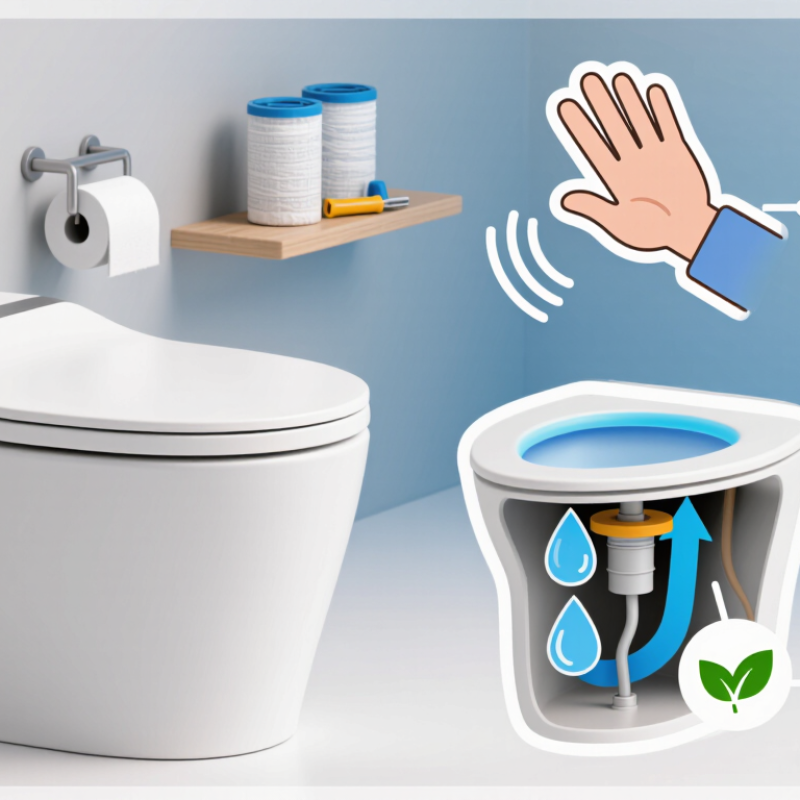
An intelligent WC toilet combines a conventional toilet with powered washing and comfort functions. A built-in nozzle sprays water after use, replacing the need for a separate bidet. Users can often adjust spray position, pressure, and temperature through a side control or remote. Settings vary by model. Some units also include a heated seat, warm-air dryer, automatic flushing, or night light. Not every toilet has every feature.
A control system coordinates these functions. Sensors may detect a seated user, open the lid, or trigger flushing. Water is heated in a small tank or as it flows, depending on the design. The nozzle usually rinses itself before or after use, but cleaning methods differ. Check the care instructions. Powered features need a suitable nearby electrical outlet, and the toilet must connect to the home’s water supply.
Choosing one starts with household needs, not a long list of buttons. Measure the bowl, available clearance, outlet position, and water connection before purchasing. Check whether the controls are easy to use with wet hands and whether the nozzle is accessible for cleaning. A warm seat can be welcome on a cold morning. Yet extra electronics add parts that may need attention over time. That trade-off deserves a moment of thought.
Before comparing features, map the bathroom as it is. Measure the space beside and in front of the toilet, then check the drain position from the finished wall. A compact room may not allow a larger seat or lid to open fully. Note the nearest water supply and electrical outlet, too. Outlet placement and water pressure can affect installation; confirm the toilet’s requirements with a qualified installer before buying. Small details matter.
Think about who will use it every day. Children may need simple controls, while older adults may value a clear remote, steady seating, and easy-to-reach settings. Ask whether night lighting, warm-water washing, or automatic flushing would solve a real household need. Not every feature will. For shared bathrooms, look for settings that are easy to adjust and surfaces that can be cleaned without awkward gaps. Check the cleaning routine, not just the product photos.
Daily habits can change the best choice. A household with frequent guests may prefer straightforward controls over a long menu of options. Someone sensitive to sound may want to hear the flush and fan in person, if possible. I would not assume that “smart” means convenient for everyone; it can mean more settings to learn and maintain. Write down your must-haves, then compare them with the room’s measurements and each user’s needs.
A comfortable intelligent WC toilet should fit the people using it, not just look advanced. Compare seat height, warmth settings, and whether water pressure and temperature adjust independently. A narrow control panel can be hard to use with wet hands; a remote with clear, raised buttons may feel simpler. Try the seat if possible. A quick showroom test can still mislead, but comfort is personal.
Small details matter. For hygiene, check whether the wash nozzle rinses itself before and after use, and whether its parts are easy to clean. A deodorizing filter may need regular replacement, so look for clear maintenance instructions and accessible parts. Some models offer extra sanitation functions, but these do not replace routine cleaning. I would not choose a toilet based on a feature name alone; ask what it actually does.
Safety deserves equal attention. Look for a lid that closes gently, stable seating, and settings that help prevent unexpectedly hot water. A night light can make late visits easier, especially in a dim bathroom. Check how the toilet flushes during a power cut and whether installation requires a nearby electrical outlet. Details vary by home. Have a qualified installer assess the connection and fit, and leave enough space for comfortable movement.
Compare comfort, hygiene, and safety features—and check the flush-volume benchmarks below.
The chart compares U.S. flush-volume benchmarks: pre-1994 toilets can use 3.5–7 gallons per flush, the federal standard is 1.6 gallons per flush, and WaterSense-labeled toilets use 1.28 gallons per flush or less. When comparing intelligent WCs, also check adjustable seat temperature and wash settings, easy-to-clean nozzles, and electrical safety guidance for installation.
Check the bathroom before comparing features. Measure from the finished wall to the drain center; many U.S. toilets use a 12-inch rough-in, but older homes may differ. Confirm the model’s required rough-in, water pressure, supply-line position, and shutoff-valve access. The U.S. EPA WaterSense program reports that household leaks waste nearly 10,000 gallons of water each year on average. A slow leak may seem minor, but it can reveal a weak valve or aging connection.
Electrical fit matters just as much. Check the toilet’s voltage, current draw, cord length, and outlet location against its installation manual. Do not assume an existing bathroom outlet is suitable; a licensed electrician can assess circuit capacity, grounding, and required GFCI protection under local rules. Also check that the cord will not cross a wet area or sit behind the bowl. Small detail. Easy to miss.
Tips: Measure twice, including door clearance and space beside the toilet. Photograph the plumbing and outlet, then ask a qualified installer to verify them before purchase. A neat-looking plan can still overlook an awkward shutoff valve.
In 2026, judge an intelligent WC toilet by how it performs after daily use, not by its feature list. Ask how often the seat, sensors, and wash functions need servicing. Check whether replacement parts are readily available and whether repairs require a specialist. Small details matter. A loose seat or unreliable sensor can quickly become an annoyance.
Look for clear warranty terms, service guidance, and independent reports of recurring faults. If possible, test the controls in person: buttons should be easy to understand, and the lid should open and close smoothly. Ask an installer about water pressure and electrical requirements in your bathroom. These details can affect performance. No test is perfect. A polished showroom display cannot reveal years of wear, so treat impressive demonstrations with some caution.
Maintenance and total cost deserve equal attention. Compare the purchase and installation price with expected electricity use, filters, cleaning products, and routine servicing. Find out how often parts need replacement and what they cost. A low upfront price may hide expensive upkeep; a longer warranty may exclude common wear items. It is easy to overvalue extra modes and overlook access to parts. I would write down the expected yearly costs before choosing, then check which estimates are uncertain. That small exercise can prevent an uncomfortable surprise.
Compare common intelligent-toilet configurations by installation needs, serviceability, upkeep, and estimated five-year ownership cost. Cost figures are broad U.S. planning estimates in USD, not guaranteed quotes.
| Configuration | Typical Equipment Cost | Typical Installation | Reliability Considerations | Maintenance and Serviceability | Estimated Five-Year Total Cost | Best Fit |
|---|---|---|---|---|---|---|
| Smart bidet seat on an existing floor-mounted toilet | $200–$700 for the seat; existing bowl retained | $0–$300 if the outlet and water connection are already suitable; electrical or plumbing work may add cost | Usually the least complex option. The conventional toilet remains usable if the powered seat needs repair or replacement. Check seat compatibility, control availability, and whether the lid or seat is replaceable. | Clean the nozzle and seat as directed; replace any specified filter or consumable on schedule. A seat can often be replaced without changing the bowl. | $275–$1,600 | Buyers who want lower initial cost, simpler repairs, or an upgrade without replacing a functioning toilet |
| Integrated one-piece intelligent toilet, floor-mounted | $1,200–$4,000 | $400–$1,500 for removal, fitting, and connections; more if the outlet or plumbing must be added or moved | Combines more functions in one fixture, so a fault in an electronic component may require specialist service. Before purchase, confirm access to replacement parts and authorized repair support in your area. | Follow the manual for nozzle cleaning, filter replacement if fitted, and descaling where required by local water conditions. Confirm whether the seat, control module, and other major parts are separately replaceable. | $1,850–$6,700 | Buyers seeking an all-in-one appearance and are comfortable with greater dependence on electronic parts and service support |
| Wall-hung intelligent toilet with concealed carrier or tank system | $1,800–$6,000 for the toilet and system components | $1,500–$4,000 for typical installation; structural, plumbing, electrical, or finish changes can increase this substantially | The concealed carrier and in-wall connections make installation quality especially important. Verify that service access is possible through the intended access panel and that replacement components can be obtained locally. | Keep the service opening accessible. Maintenance may involve the electronic unit as well as the concealed flush system; repairs can be more involved than with a standard floor-mounted toilet. | $3,600–$11,400 | Projects already planning wall-hung fixtures or substantial bathroom renovation, with qualified installation and service available |
How the five-year estimates are calculated: Equipment, typical installation, an allowance for routine consumables and likely repairs, and estimated electricity are included. The ranges assume a U.S. residential installation and do not include taxes, financing, water and sewer charges, or major bathroom remodeling. Electrical work, new circuits, relocated drains, tile repairs, or other site-specific work may increase the total.
Reliability check before buying: Ask for the written warranty, local service contact, expected parts availability, and prices for commonly replaced components. A warranty period alone does not establish long-term reliability.
Maintenance check: Filter requirements, descaling instructions, and cleaning methods differ by product. Use the installation and care manuals; hard water may require more frequent descaling where the manufacturer specifies it.
Electrical safety: Many North American installations use a nearby GFCI-protected receptacle, but requirements vary by product and local code. Confirm voltage, outlet location, and code requirements with the installation manual and a qualified professional.


