Top House Doors Trends for 2025 That Will Transform Your Home
As we look ahead to 2025, new trends in house doors promise to reshape modern homes. These trends reflect changes in both aesthetics and functionality. Industry expert, Dr. Emily Hart, remarks, “House doors should blend style and security, creating an inviting yet safe atmosphere.” This perspective highlights the growing importance of integrating safety features with elegant designs.
In 2025, eco-friendly materials will dominate the market. Many homeowners seek sustainable options that reduce environmental impact. These innovations offer durability, with wood and composite materials leading in popularity. There is also a shift toward smart technology. Homeowners want doors that connect seamlessly with security systems. Motion sensors and remote access features are becoming standard.
While these trends paint an exciting picture, some challenges remain. Not every homeowner may find the right balance between style and utility. The variety can be overwhelming and confusing. It is essential to reflect on personal needs versus trends. Ultimately, the right house door should reflect individual taste while providing practical benefits.
Innovative Design Features in House Doors for 2025
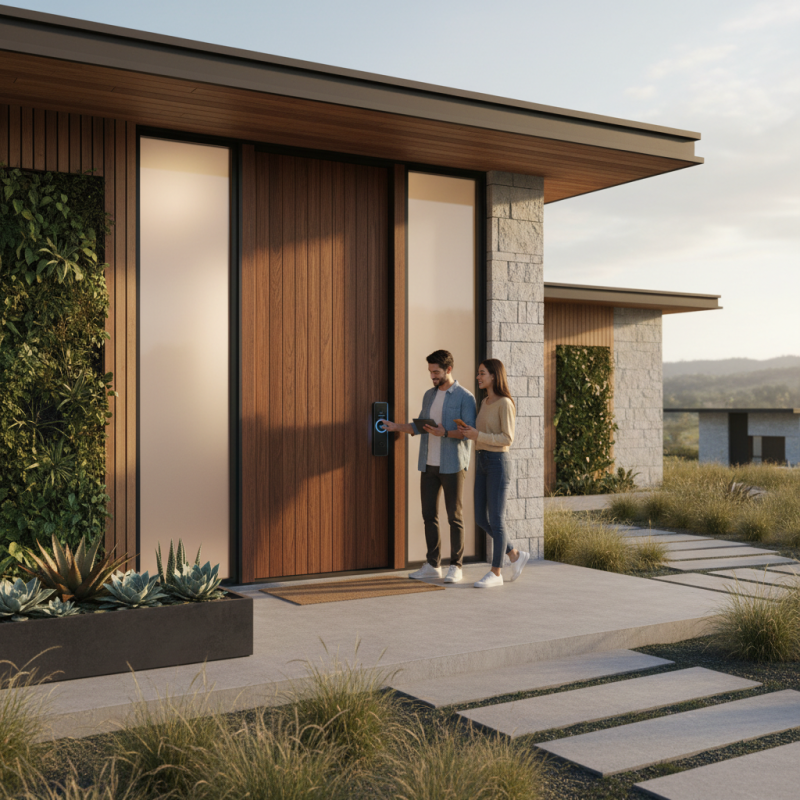
As we look toward 2025, house doors are set to become striking focal points in home design. Innovative features will emerge, integrating aesthetics with functionality. Imagine doors that blend smart technology with traditional craftsmanship. They can include built-in sensors, enabling automatic locking and unlocking. Doors may become interactive, allowing homeowners to customize lighting effects or colors at their discretion. This personalization adds a unique touch to each entryway.
Sustainability will influence design choices significantly. Many materials will shift toward eco-friendly options, like reclaimed wood and recycled metals. These materials reduce environmental impact while offering character and warmth. Some doors might showcase asymmetrical or geometric patterns, pushing artistic boundaries. However, incorporating such designs may present challenges in installation and function. Homeowners will need to consider how beauty impacts practicality.
The rise of biophilic design will influence door trends as well. Expect doors that seamlessly connect indoor and outdoor spaces. Large glass panels can invite natural light and nature into the home. Yet, this may raise concerns about privacy and security. Homeowners will have to strike a balance between openness and safety in their choices. As trends evolve, thoughtful consideration will be essential in transforming our spaces.
Sustainable Materials and Their Impact on Door Trends
Sustainable materials are reshaping the door industry. By 2025, an estimated 60% of newly built homes will feature eco-friendly doors. These materials are not just beneficial for the environment; they can enhance a home's aesthetic. Many homeowners are looking for ways to reduce their carbon footprint.
Wood alternatives made from recycled materials are gaining popularity. Reports indicate that using these options can save up to 40% of raw materials compared to traditional wood doors. This trend signals a significant shift towards practicality. However, the durability and maintenance of these materials can be questionable. Some homeowners may find that these alternatives require more care.
Another emerging trend is the use of natural finishes. These finishes not only promote a healthier indoor environment but also complement various home designs. Studies show that homes with sustainable doors can increase overall property value by as much as 10%. Yet, there is still hesitation among buyers. Many question the long-term performance of these doors. Balancing aesthetics and sustainability remains a challenge for both manufacturers and consumers.
Top House Doors Trends for 2025
This bar chart illustrates the projected trends for house doors in 2025, focusing on the use of sustainable materials. The materials include Wood, Fiberglass, Steel, and Glass, each showcasing its anticipated market share percentage. This data reflects the increasing preference for eco-friendly options in home design.
Smart Technology Integration in Modern Door Systems
Smart technology is transforming house doors in unexpected ways. In 2025, we expect to see more integrated systems that enhance security and convenience. According to a recent report by the Home Automation Association, smart door systems can reduce break-ins by nearly 60%. This is significant for homeowners looking for peace of mind.
Smart locks, video doorbells, and integrated smart home systems are becoming standard. These technologies allow users to monitor their doors remotely. Homeowners can receive alerts and control locks through their smartphones. A study from the National Institute of Standards and Technology noted that 70% of consumers prefer homes with smart capabilities.
However, the rise of smart doors brings challenges. Cybersecurity threats increase as homes become smarter. A report from Cybersecurity Ventures reveals that a new hack occurs every 39 seconds. This makes it crucial for homeowners to choose reliable systems and keep their software updated. While smart technology enhances convenience, it also demands vigilance and awareness.
Color and Texture Trends Shaping the Future of Entryways
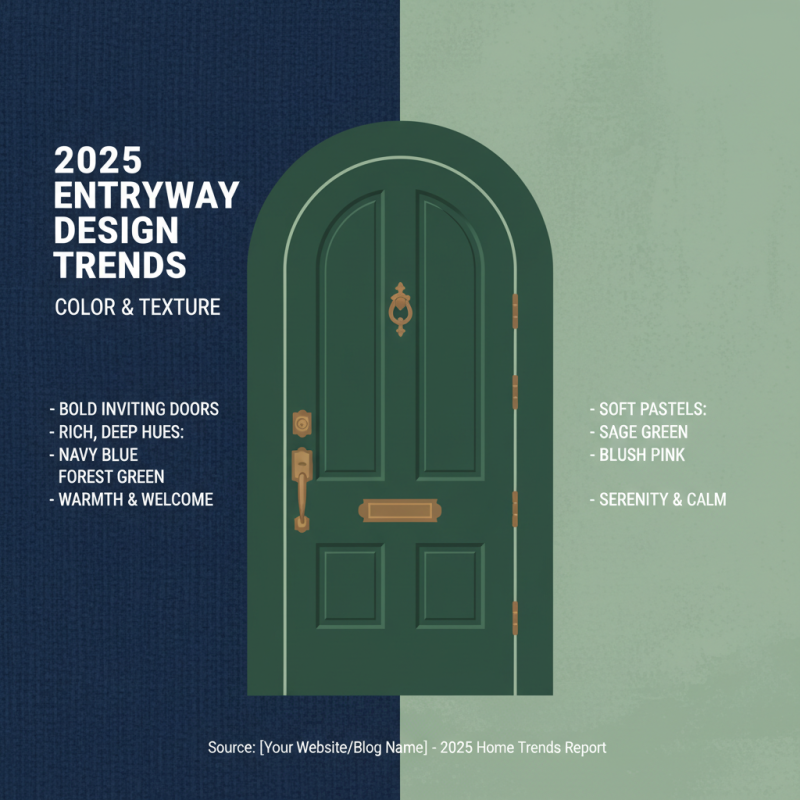
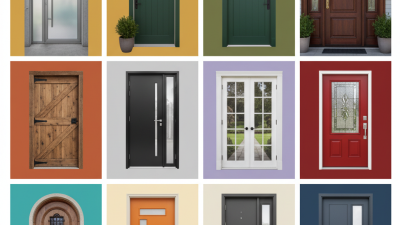
In 2025, entryway designs will focus heavily on color and texture. Homeowners seek bold and inviting doors. Rich, deep hues such as navy blue or forest green will dominate the market. These colors evoke feelings of warmth and welcome. Soft pastels will also gain popularity, adding a touch of serenity to the entrance.
Texture plays a vital role in door designs as well. Natural materials like wood will remain favored, but expect innovations. Textured glass will add intrigue, reflecting light beautifully. Steel doors may incorporate unique finishes to blend modern with traditional. However, balancing aesthetics with functionality is key.
Embracing imperfections will become a trend too. Distressed finishes or uneven paint can tell a story. Homeowners will see beauty in the unique details. This embrace of flaws encourages personal expression and authenticity in home design. The future of entryways will invite depth through color and texture.
Accessibility and Safety Enhancements in House Door Designs
As we approach 2025, the trends in house door designs are notably shifting toward enhancing accessibility and safety. More homeowners are prioritizing door features that cater to all individuals, including those with mobility challenges. Wider doors with level thresholds facilitate easy access, eliminating barriers for wheelchair users and strollers. This change signifies a growing awareness of inclusivity in home design.
Safety remains a critical focus. Many designs now incorporate anti-pinch technology, which prevents fingers from getting caught. Additionally, reinforced materials improve security without sacrificing aesthetic appeal. Doors with smart locks are gaining popularity, providing both convenience and enhanced safety for families. People want to feel secure in their homes, but sometimes, over-reliance on technology can lead to other concerns.
While these trends aim to improve quality of life, it's essential to reflect on individual needs. Not every design suits every home. Some may find wider doors pose aesthetic challenges in smaller spaces. Balancing functionality and appearance is often a struggle. Ultimately, the goal is to create spaces that are both welcoming and safe, while accommodating diverse lifestyles.
Top House Doors Trends for 2025 That Will Transform Your Home - Accessibility and Safety Enhancements in House Door Designs
| Trend |
Description |
Accessibility Features |
Safety Enhancements |
Estimated Adoption Year |
| Smart Lock Integration |
Integration of smart lock systems for increased security and convenience. |
Keyless entry and remote access. |
Real-time alerts and monitoring. |
2025 |
| Wider Door Frames |
Larger door openings to accommodate mobility devices. |
Accommodates wheelchairs and walkers. |
Designed to meet ADA compliance standards. |
2025 |
| Enhanced Visibility |
Doors with larger windows or transparent panels. |
Increased natural light and visibility. |
Reduces blind spots for increased safety. |
2025 |
| Anti-Pinch Technology |
Doors that prevent pinching during closing. |
Safe for children and pets. |
Sensors that detect obstructions. |
2025 |
| Weather Resistant Materials |
Durable materials designed to withstand extreme weather. |
Consistent performance across climates. |
Higher resilience against weather-related damage. |
2025 |