





Choosing the best vinyl windows and doors involves more than comparing frame colors or advertised prices. The right choice should improve comfort, energy performance, security, and everyday usability. In practice, small details matter. A bright showroom can mislead. Inspect the frame corners, locking points, drainage holes, and glass edges closely. These areas often reveal manufacturing quality more clearly than glossy brochures. This guide explains how to evaluate vinyl windows and doors with practical, evidence-based considerations.
We will examine frame construction, glazing options, air leakage, water resistance, and installation requirements. Look for independent performance ratings, clear warranty terms, and product documentation from established manufacturers. Energy labels can help, but they should match your local climate and building orientation. A highly efficient window may still perform poorly when installed carelessly. We will also discuss professional installation, because even excellent products can fail around an uneven opening. Do not ignore the installer. A cheaper quote may become expensive after drafts, condensation, or difficult repairs appear.
Reliable decisions require both specifications and judgment. Experienced installers often notice problems that online comparisons miss, such as weak corner welds or inadequate flashing space. Still, expert advice is not automatically perfect. Recommendations can reflect brand preferences or limited site experience. That is worth questioning. Readers will learn how to compare quotes, inspect samples, and ask useful questions before purchasing. Some recommendations may seem cautious, but durability is difficult to judge after one season. The best solution balances performance, appearance, maintenance, budget, and long-term support.
Choosing vinyl windows and doors starts with defining your needs, not comparing colors or discounts. In renovation projects, I first inspect each room at different times of day. A south-facing bedroom may need glare control. A street-facing study may need better sound reduction. A damp bathroom needs durable hardware and proper ventilation. Small details matter.
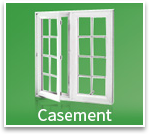
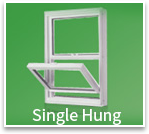
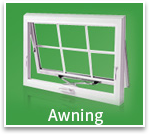
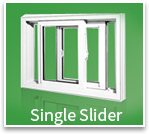
Write down the opening size, direction, use, and comfort problem for every opening. Decide whether you need sliding, casement, awning, or hinged operation. Casement units often provide tighter closure, while sliders may suit narrow spaces.
Check the U-factor, solar heat gain coefficient, and air-leakage rating. A lower U-factor generally supports better insulation. SHGC depends on climate and sunlight. Ask for test data, warranty terms, and installation details. Local energy codes may set minimum performance requirements.
I once focused too heavily on frame color and underestimated afternoon heat. That mistake changed my checklist. Now I compare glass options, frame reinforcement, drainage paths, and sill height. A large patio door also needs a comfortable threshold and secure locking points.
Measure twice, but do not trust old measurements blindly. Walls can shift, and rough openings may be uneven. A qualified installer should confirm the opening before ordering. I still leave room for uncertainty, because excellent specifications can fail when installation is rushed.
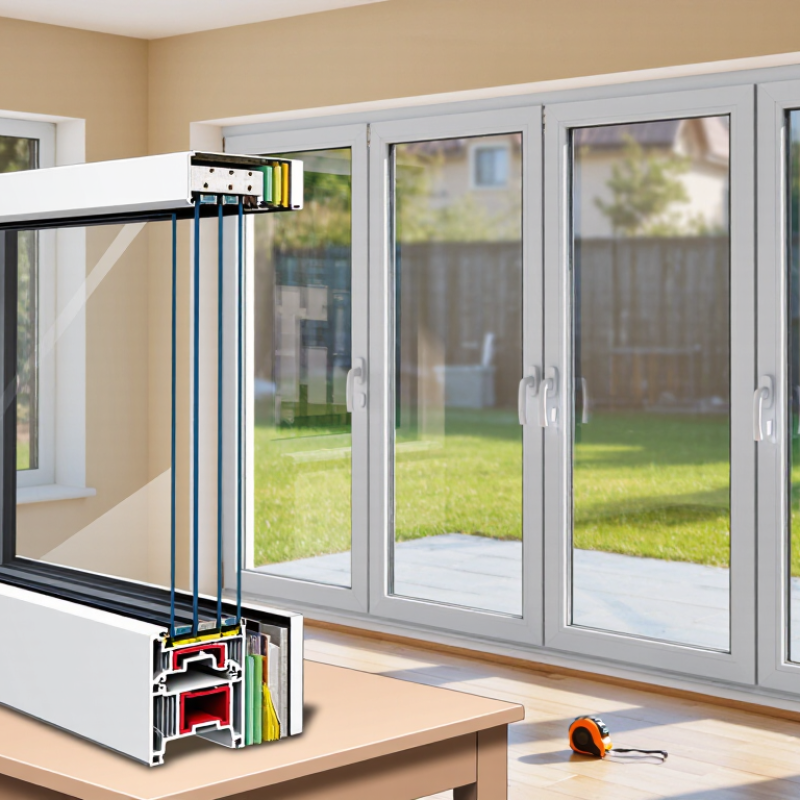
Choosing vinyl windows and doors requires more than comparing white frames and advertised prices. Frame material affects durability, maintenance, and insulation. Vinyl resists moisture and does not need painting, making it practical for bedrooms, kitchens, and damp climates. However, low-quality vinyl can warp under intense heat. Check the frame’s welds, reinforcement, drainage holes, and corner strength before deciding.
Glass choices matter just as much. Double-pane glass suits many homes, while triple-pane glass can improve comfort in colder regions. Low-emissivity coatings help reflect heat, and argon-filled spaces can reduce heat transfer. Consider orientation, too. South- and west-facing windows may need stronger solar-control glass to limit afternoon glare.
I once focused too heavily on frame appearance and underestimated glass performance. That was a costly lesson.
Energy ratings provide useful evidence, but they need careful reading. Look for a low U-factor when winter heat loss is the main concern. A lower solar heat gain coefficient can help in hot, sunny locations. Air leakage ratings also matter, especially for doors exposed to wind. Ask for certified test data, not only sales claims.
A professional installer should measure each opening accurately and explain local climate requirements. Even excellent glass performs poorly when installation gaps remain around the frame. Small details count. Reflect on your room’s sunlight, ventilation, and noise before selecting a package.
Choosing vinyl windows and doors starts with accurate measurements, not attractive photographs. Measure the opening at several points because older walls may shift slightly. Record width, height, and depth. A small error can create drafts, difficult operation, or expensive adjustments. Leave installation clearances recommended by a qualified installer.
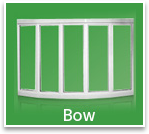
Style should support the room’s purpose. Casement windows open outward and provide strong ventilation, but nearby paths may limit them. Sliding windows save exterior space and suit compact rooms. Awning windows can ventilate during light rain. For doors, consider sliding, hinged, or folding designs. Each requires different clearance. I once preferred a wide sliding door, yet its track demanded more cleaning than expected. That detail matters.
Security features deserve practical testing. Look for multi-point locks, reinforced frames, durable hinges, and laminated or tempered glass where appropriate. Check whether the hardware feels firm and operates smoothly. A secure lock is less useful if family members struggle to engage it. Operating methods also affect long-term comfort. Handles should sit at a reachable height, while opening forces should remain manageable for older users. Ask how screens, locks, and rollers can be replaced. Installation quality often determines performance more than the product label. Confirm drainage paths, flashing, and sealant details with an experienced professional. My own mistake was focusing on appearance first. Light, noise, airflow, maintenance, and emergency access should have guided the decision earlier.
Installation requirements deserve attention before comparing colors or frame styles. Measure the rough opening at three points, not just once. The wall must be square, level, and free from hidden moisture. A qualified installer should check sill support, shims, flashing, drainage, and local building requirements. Poor sealing can cause drafts, staining, or soft wood around the opening. I have seen attractive windows fail because installers rushed this stage. That mistake is expensive.
Read the warranty line by line. Confirm coverage for glass, frames, hardware, color fading, and installation labor. Ask whether the warranty transfers when the home is sold. Some warranties exclude damage caused by poor installation or neglected maintenance. Keep invoices, photographs, and installer details in a safe place. Warranty language can feel reassuring, but unclear exclusions deserve questions. I once overlooked a labor limitation during a renovation. It was a useful, and costly, reminder.
Tips: Request a written installation method. Inspect the sill before the frame is sealed. Open every sash and door panel. Check for smooth locks, even gaps, and steady movement. Clean tracks with a soft brush twice yearly. Lubricate approved hardware lightly. Replace cracked weatherstripping early. Do not drill into drainage paths. If condensation appears repeatedly, investigate ventilation and indoor humidity instead of blaming the window immediately.
How to Choose the Best Vinyl Windows and Doors?
Budget should guide the frame, but not control every decision. The U.S. Department of Energy reports that windows can cause 25–30% of household heating and cooling energy use. That makes glass, seals, and installation important investments. For a tight budget, choose durable vinyl frames with double glazing and low-emissivity glass. In cold climates, prioritize a lower U-factor. In hot, sunny regions, a lower solar heat gain coefficient can reduce indoor heat. Energy Star reports that certified windows can lower household energy bills, especially when replacing single-pane units.
Climate changes the best specification. Coastal homes need corrosion-resistant hardware and carefully sealed joints. Windy areas require products tested for air leakage and structural pressure. Check the National Fenestration Rating Council label, not only the advertised frame material. It lists U-factor, solar heat gain coefficient, visible transmittance, and air leakage. I have seen attractive windows perform poorly because installers ignored flashing around the sill. The product was not the only problem.
Tips: Compare the full installed price, not the showroom price. Ask for written U-factor and SHGC ratings. Inspect the sill pan, foam gaps, and exterior sealant before final payment. Consider a professional energy audit when the climate is severe. A cheaper window may be reasonable, but only if its performance matches the room, orientation, and local weather.