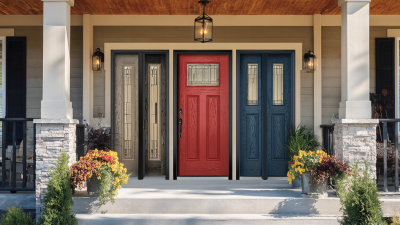
What Are the Best Replacement Entry Doors?
Choosing replacement entry doors is not just a style decision. The right door should suit your home, local weather, and daily use. Look closely at the frame, sill, hardware, and installation—not only the panel. A beautiful door can still leak air or admit water when its fit is poor.
Building scientist Joseph Lstiburek is often associated with this practical reminder: “All materials are water resistant; some are more water resistant than others.” It is a useful lens for comparing door materials and weather protection. Fiberglass can offer a low-maintenance finish, while steel may provide strength at a competitive price. Wood brings natural character, but usually asks for more care. Product quality varies, so compare tested performance details rather than relying on material labels alone.
There is no universal winner. A covered porch, a wind-exposed entrance, and a shaded doorway face different demands. Check the door’s energy ratings, weather seals, warranty, and compatibility with your existing opening. Ask who will install it, and how the threshold will be sealed. Small gaps matter. I have seen how an attractive choice can disappoint when the frame is out of square; product brochures rarely show that part. This guide will compare common door types, explain the features worth checking, and help you match replacement entry doors to your home’s needs and budget.
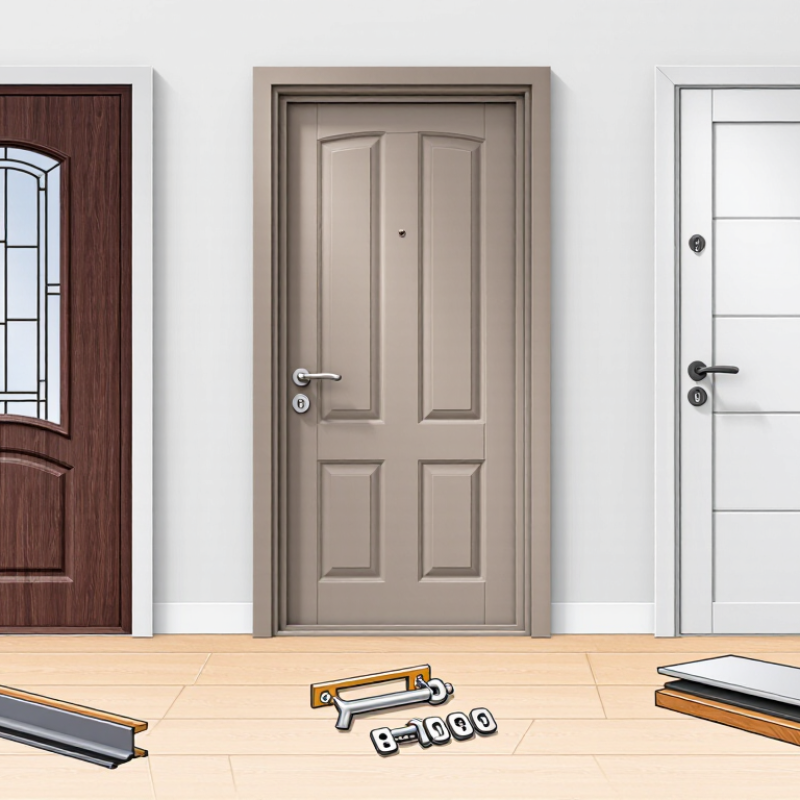
What Makes an Entry Door a Strong Replacement Choice?
A replacement entry door should improve security, comfort, and everyday use—not simply look appealing from the street. Start by checking the opening itself. Measure the frame, inspect the sill for soft or stained wood, and feel for drafts around the latch. Small gaps matter. Even a well-built door can leak air or admit water when it sits poorly in the frame.
Material affects maintenance and performance. Insulated steel can resist dents and help limit heat loss, while fiberglass generally needs less upkeep than painted wood. Wood offers a distinctive appearance, but its finish may need more attention in wet or sunny conditions. Compare the door’s insulation rating, weatherstripping, lock reinforcement, and threshold design. If the entry gets strong afternoon sun, ask how the finish handles prolonged exposure. Glass panels can brighten a dim hall, though they may reduce privacy unless the glazing is textured or placed high.
Installation deserves equal care. A door that rubs, swings open by itself, or leaves uneven gaps may need adjustment, even if it is new. Confirm that the installer checks the frame and seals the perimeter, not just the slab. I once judged a door mostly by its finish; the draft at the bottom changed my mind. Appearance still counts, but it should not be the only test.
What Makes an Entry Door a Strong Replacement Choice?
Insulated steel and fiberglass door slabs commonly offer R-values around 5–6, while solid wood slabs are typically around R-2–R-3.5. Higher R-values indicate greater resistance to heat flow. These are general ranges, not guarantees: performance varies with door construction, thickness, glazing, seals, and installation.
How Do NFRC U-Factor Ratings Reveal Energy Performance?
When comparing replacement entry doors, the NFRC U-factor is a useful starting point. It measures how quickly heat moves through the rated door assembly. Lower numbers mean less heat transfer. That can help keep a winter hallway warmer and reduce heat entering during hot weather. Small differences matter.
Read the rating for the exact door configuration. Compare similar glass areas and designs; a mostly glazed door and a solid insulated door are not direct comparisons. Check whether the rating covers the complete tested unit, including its frame and glazing. A low U-factor does not describe every comfort issue. Air leakage, worn weatherstripping, and installation gaps matter too.
Use the NFRC figure alongside your climate and the entry’s exposure. A sheltered doorway may behave differently from one facing cold wind. Ask for the certified rating for the size and configuration you plan to buy. Then inspect the frame and threshold during installation. Labels can guide you, not promise a perfect result. I’d still check the door in person; numbers cannot capture every draft or the feel of a latch.
Which Door Features Improve Security, Durability, and Weather Resistance?
A replacement entry door is only as secure as its frame. Look for a reinforced strike area, long screws that anchor the strike plate into the framing, and a deadbolt with a solid throw. A multipoint lock can secure the door at several points, but it still needs careful installation. Check that hinges resist tampering and that the door closes without rubbing. Small gaps matter.
For durability, steel resists impact, while fiberglass resists moisture and is less prone to warping. The best choice depends on exposure: a rain-soaked porch needs different protection from a shaded entry. Look for a durable finish, a well-sealed core, and weatherstripping that compresses evenly around the jamb. An adjustable sill helps block drafts under the door. The U.S. Department of Energy’s Energy Saver guidance says whole-home air sealing can reduce energy costs by 10% to 20%; that figure is not a door-only estimate, but it shows why installation gaps deserve attention.
The 2024 Cost vs. Value report estimated a national average cost of $2,355 for a steel entry-door replacement and a resale value of $4,430. These are modeled averages, not a guaranteed return. Ask for the door’s tested performance ratings and inspect the threshold, seals, and frame during installation. A premium slab with a poorly fitted frame is still a weak point. I would not choose on material alone.
What Do 2024 Cost vs. Value Figures Show for Steel and Fiberglass Doors?
The 2024 Cost vs. Value figures show a clear difference between two entry-door projects. A steel entry-door replacement averaged $2,355, with an estimated resale value of $1,974. That represents about 83.8% of the project cost recovered.
The fiberglass figure covers a grand entrance project, not a like-for-like door swap. Its estimated cost was $11,353, with $5,318 in resale value, or 46.8% recouped. Not a small gap. The comparison is useful, but the scopes differ: a grand entrance may involve a larger, more elaborate installation.
These figures are national estimates, not promises for a particular home. Local labor, door size, frame condition, and finish choices can shift the bill. A steel door that fits tightly, closes without sticking, and seals around the jamb may be a practical upgrade. Fiberglass can offer a different look and feel, but its higher project cost may be harder to recover at resale. And the numbers do not capture every benefit. A quieter hallway or fewer drafts on a windy evening matters to daily comfort, even if it does not show up in a resale estimate.
What Are the Best Replacement Entry Doors? — 2024 Cost vs. Value Figures for Steel and Fiberglass Doors
| 2024 project category |
Door material |
Average project cost |
Estimated resale value |
Cost recouped |
What the figures indicate |
| Entry door replacement |
Steel |
$2,355 |
$4,430 |
188.1% |
The reported resale-value estimate exceeds the project cost. |
| Grand entrance project |
Fiberglass |
$11,353 |
$11,054 |
97.4% |
The reported resale-value estimate is close to the project cost. |
|
How to read this comparison: These are 2024 national Cost vs. Value estimates. The steel entry-door replacement and fiberglass grand-entrance projects have different scopes, so they are not a direct like-for-like material comparison. “Cost recouped” is the estimated resale value divided by project cost; it is not a guaranteed return or cash savings.
|