How to Choose the Best Replacement Entry Doors for Your Home
When considering home improvements, one of the most impactful upgrades can be the installation of replacement entry doors. In fact, according to the 2021 Cost vs. Value report by Remodeling Magazine, homeowners can expect to recoup approximately 74% of the cost of a new door in increased home value, reinforcing the significant return on investment that comes with this upgrade. Replacement entry doors not only enhance the aesthetic appeal of your home but also contribute to increased energy efficiency, improved security, and better insulation.
Research indicates that around 30% of a home's energy loss occurs through doors, highlighting the importance of choosing high-quality options that effectively seal your home. Furthermore, the National Association of Realtors emphasizes that buyers often prioritize entryway aesthetics when searching for a new home, suggesting that an inviting front door can increase buyer interest and potentially lead to a faster sale. As such, selecting the right replacement entry doors involves a careful assessment of materials, styles, and energy efficiency to ensure that you make an informed decision that aligns with your home’s design and your personal needs.
Factors to Consider When Choosing Entry Doors for Energy Efficiency
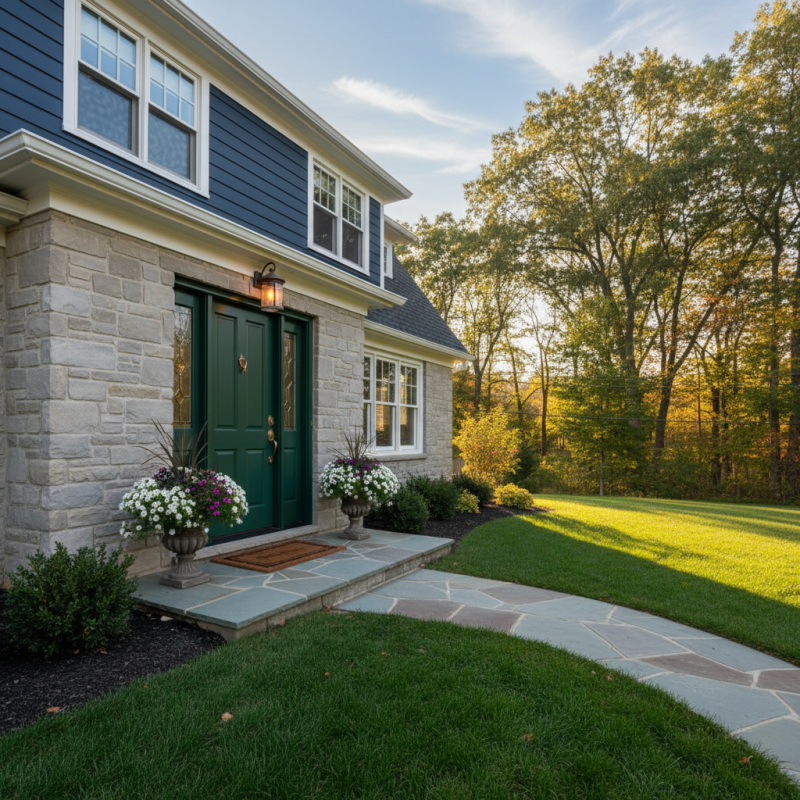
When choosing entry doors, one of the most critical factors to consider is energy efficiency. An energy-efficient door helps maintain your home's internal temperature, leading to reduced heating and cooling costs. Look for doors with high insulation values and features such as dual-pane glass or thermal breaks. These characteristics enhance the door's ability to resist heat transfer, keeping your home comfortable year-round.
Another important aspect to evaluate is the material of the door. Different materials offer varying levels of energy efficiency. For instance, fiberglass and insulated steel doors typically provide superior insulation compared to traditional wooden doors. Additionally, ensure that the door is well-sealed and comes with energy-efficient hardware, such as weather stripping and insulated frames, which can significantly improve the overall efficiency of your entryway. By prioritizing these factors, you can make a more informed decision that enhances your home’s energy performance while also adding aesthetic appeal.
Materials Options: Wood, Fiberglass, and Steel for Replacement Doors
When choosing replacement entry doors for your home, the material is a critical factor that will affect durability, insulation, and overall aesthetics. Wood doors offer a classic and timeless look, providing natural beauty and warmth. They can be customized with various stains and finishes, allowing homeowners to match their doors with their home’s architectural style. However, it is essential to consider that wood requires maintenance to prevent warping and rotting, making it best suited for dry climates or protected areas.
Fiberglass doors have gained popularity due to their impressive energy efficiency and low maintenance requirements. They can mimic the appearance of wood while offering better resistance to scratching, denting, and extreme weather conditions. This makes fiberglass an excellent choice for homeowners looking for durability without sacrificing style. Additionally, fiberglass doors come in various designs and colors, allowing for versatile application across different home styles.
Steel doors provide unmatched strength and security, making them a top choice for homeowners focused on protection. These doors are well-insulated, which helps maintain energy efficiency within the home, and are typically available in a range of finishes. However, it is important to note that steel doors may be prone to dents and rust if not properly coated or maintained. Each material brings unique advantages, so understanding the characteristics of wood, fiberglass, and steel is essential in selecting the ideal replacement entry door for your home.
Styles and Designs: Enhancing Curb Appeal with Entry Door Selection
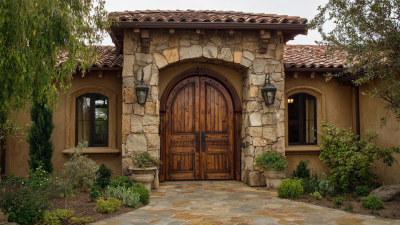
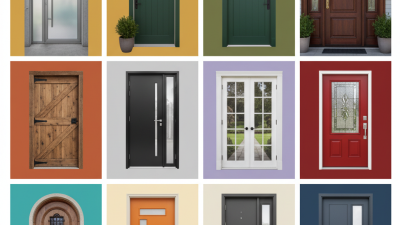
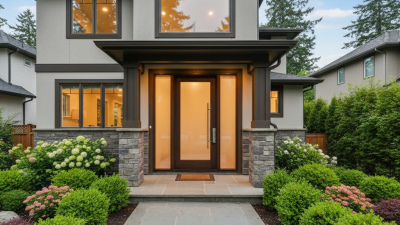
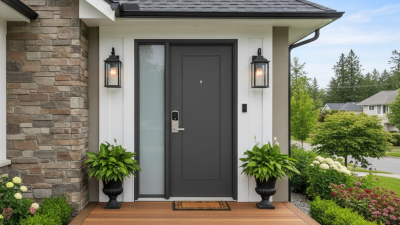
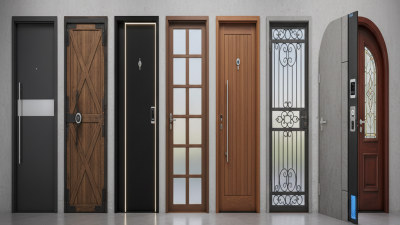
Selecting the right entry door can dramatically enhance the curb appeal of your home, setting a welcoming tone from the moment visitors arrive. When considering styles, you can choose between traditional, modern, or rustic designs, each offering its unique charm and character. Traditional doors, often made from wood, exude warmth and elegance, while modern styles incorporate sleek lines, glass panels, and often a minimalist aesthetic. Rustic doors, featuring distressed finishes and natural materials, bring an inviting, countryside vibe that appeals to nature lovers.
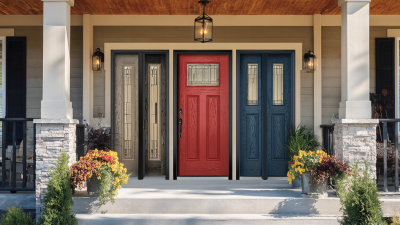
Color and finish are also crucial elements in door selection, as they can accentuate architectural features and complement exterior siding. For instance, bold colors like deep red or navy can make a striking statement, whereas softer hues such as pastels or earth tones provide a subtle and sophisticated touch. Additionally, decorative hardware, such as elegant door handles and locks, can further enhance the overall look, creating an inviting entryway that reflects personal style. By carefully considering these design elements, you can select an entry door that not only improves visual appeal but also instills a sense of pride in your home.
Impact of Entry Door Styles on Home Curb Appeal
Cost Analysis: Budgeting for Replacement Doors and ROI on Home Value
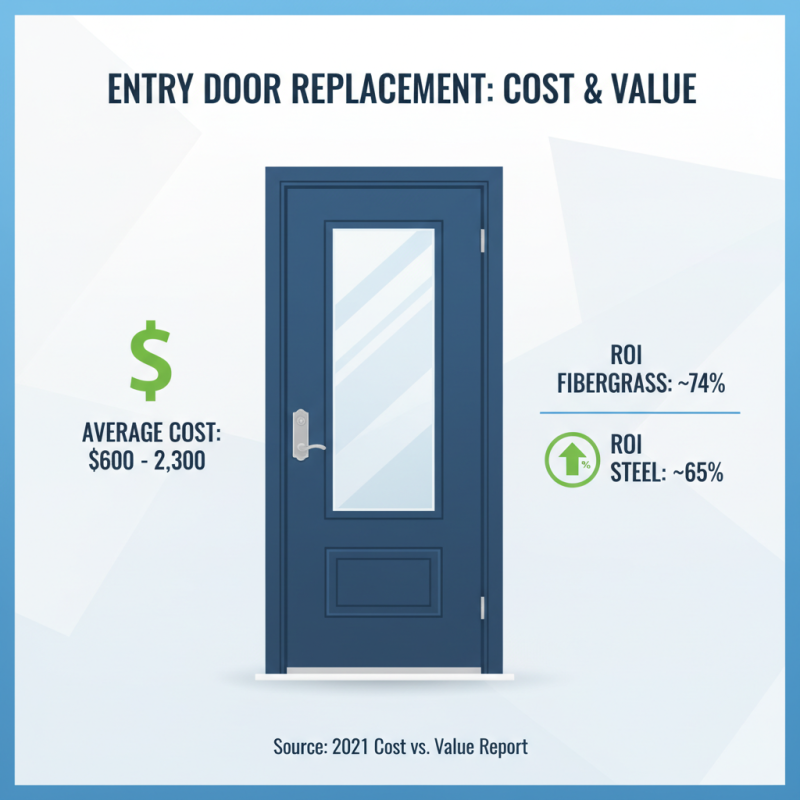
When considering replacement entry doors, the cost analysis is a crucial factor that can't be overlooked. The average cost of a new door installation ranges from $600 to $2,300, depending on the material and design. According to the 2021 Cost vs. Value Report by Remodeling Magazine, homeowners can expect an average return on investment (ROI) of approximately 74% for fiberglass entry doors and about 65% for steel doors. This means that while the initial expenditure may seem significant, the financial impact on your home's resale value can justify the investment.
Budgeting for your replacement doors involves not only the purchase and installation costs but also potential long-term savings. Energy-efficient models, for instance, can reduce heating and cooling costs significantly, contributing to substantial energy savings over time. The U.S. Department of Energy reports that energy-efficient doors can save homeowners up to 10-15% on their energy bills. Thus, when assessing the financial aspects of entry doors, it's essential to factor in both immediate costs and future savings, highlighting the value that a well-chosen entry door brings to your home.
Security Features: Essential Aspects of Choosing Safe Entry Doors
When it comes to selecting replacement entry doors for your home, security features should be at the forefront of your decision-making process. A report by the Department of Justice indicates that homes without adequate security measures are significantly more likely to be targeted by intruders. In fact, approximately 70% of residential burglaries involve forced entry, highlighting the need for robust entry doors that can withstand such attempts. Opting for doors made from solid materials such as fiberglass or steel, as opposed to hollow-core wood, can provide a greater barrier against unauthorized entry.
Additionally, consider doors that come with enhanced locking systems. According to a study by the University of North Carolina, homes equipped with high-quality deadbolt locks are 85% less likely to be burglarized. Look for entry doors with multi-point locking systems, which engage the door at several points when locked, making it more difficult for intruders to pry them open. Furthermore, features such as reinforced frames and impact-resistant glass can significantly boost your door's security, providing peace of mind for homeowners. Ultimately, investing in well-designed entry doors with strong security features is crucial for protecting your home and ensuring the safety of your loved ones.
How to Choose the Best Replacement Entry Doors for Your Home - Security Features: Essential Aspects of Choosing Safe Entry Doors
| Feature |
Importance Level |
Recommended Material |
Price Range (USD) |
| Steel Construction |
High |
Steel |
500 - 1500 |
| Multi-Point Lock Systems |
High |
Varies |
150 - 500 |
| Reinforced Frames |
Medium |
Fiberglass or Wood |
300 - 800 |
| Security Cameras |
Medium |
Varies |
100 - 1000 |
| Smart Locks |
High |
Electronic |
200 - 600 |