How to Choose the Best Patio Doors for Your Home?
Choosing the right patio doors for your home can transform your space. According to Mark Johnson, a leading expert in home design, "The right patio doors can enhance both aesthetics and functionality." Understanding this dual purpose is essential.
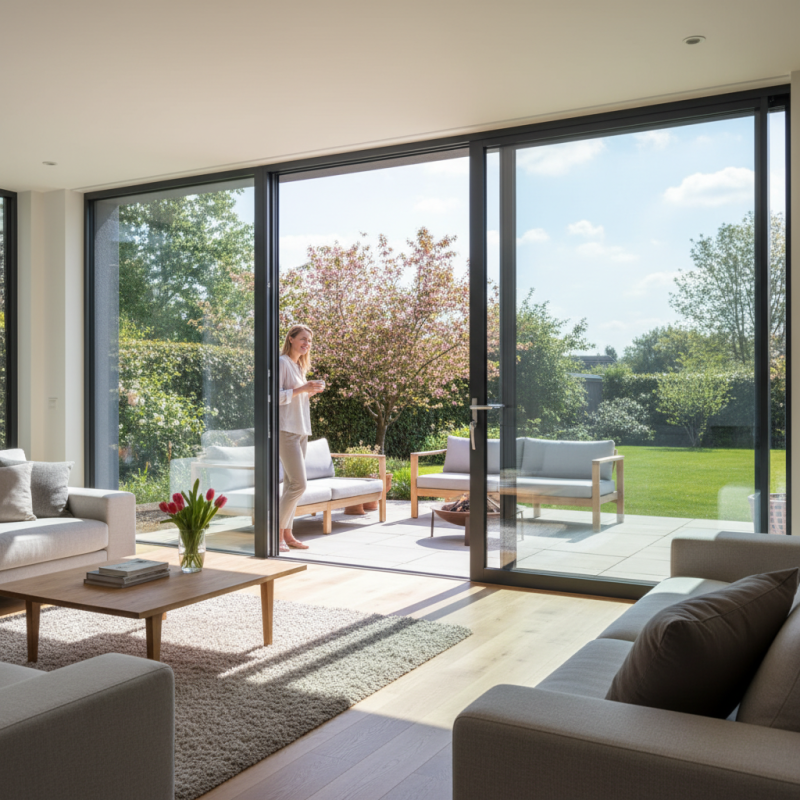
Patio doors come in various styles, materials, and sizes. For instance, you might prefer traditional French doors or modern sliding doors. Each option impacts natural light and space flow differently. It's crucial to consider how these elements will affect your daily living experience.
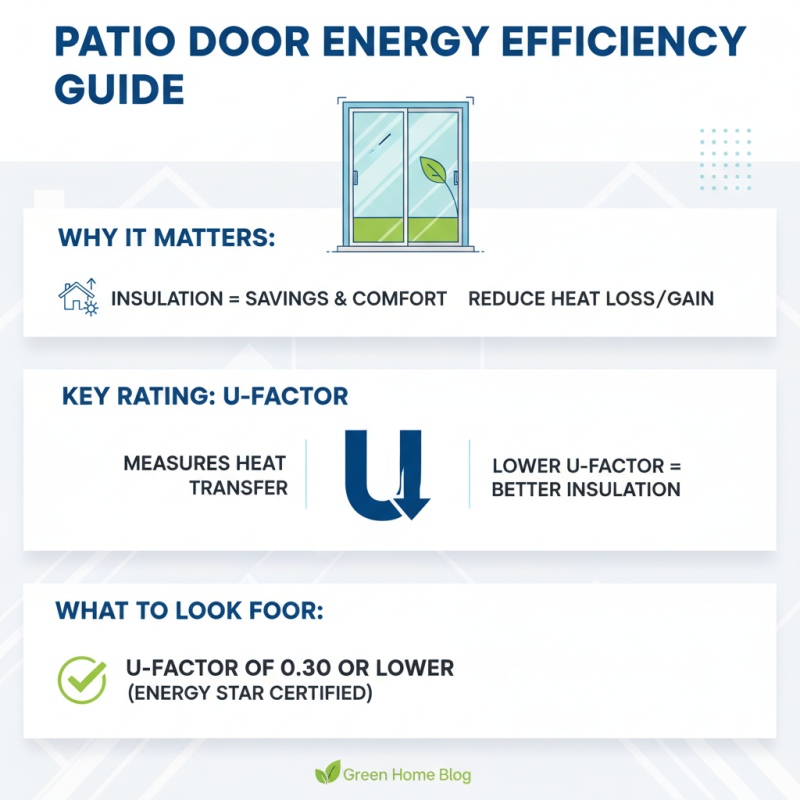
Choosing patio doors isn't just about appearance; security and energy efficiency are critical too. Many doors have improved locking systems and double glazing, offering peace of mind. Reflect on how well your choices align with your home’s design and your lifestyle needs. This decision deserves thoughtful consideration and research.
Understanding Different Types of Patio Doors: Sliding, French, and Bi-Fold
Choosing the right patio door can greatly enhance your home’s appeal. There are several types available, each with unique benefits. Sliding doors are popular for their space-saving design. They glide smoothly, making them easy to open. This option is ideal for narrow spaces. However, they can sometimes be awkward in terms of privacy.
French doors offer a classic look. They swing open, creating a grand entrance to your outdoor area. This type of door can frame a beautiful view. Yet, they require more space to operate. If your patio area is limited, this might be a concern.
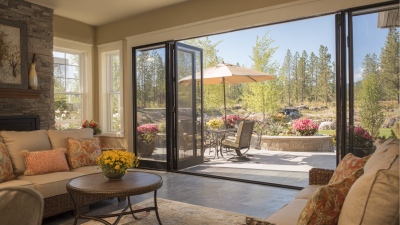
Bi-fold doors are a modern choice that maximizes opening space. They fold back on themselves, creating a seamless transition to the outdoors. This design makes them suitable for larger patios. Keep in mind, they can be pricier and require proper installation. Each style has its strengths and weaknesses, so consider your needs carefully before making a decision.
How to Choose the Best Patio Doors for Your Home?
| Type of Patio Door |
Material |
Energy Efficiency |
Space Efficiency |
Aesthetic Appeal |
| Sliding |
Vinyl, Aluminum, Wood |
High |
Good |
Modern |
| French |
Wood, Fiberglass, Vinyl |
Moderate |
Low |
Classic |
| Bi-Fold |
Aluminum, Wood |
High |
Excellent |
Contemporary |
Key Materials for Patio Doors: Vinyl, Wood, and Aluminum Analysis
Choosing the right patio doors for your home can be challenging. The material you select plays a crucial role in the door's durability, energy efficiency, and aesthetic appeal. Three primary materials are often considered: vinyl, wood, and aluminum.
Vinyl doors are popular due to their low maintenance and energy efficiency. According to the U.S. Department of Energy, vinyl frames can reduce heating and cooling costs by up to 20%. They resist fading and warping, making them suitable for various climates. However, some homeowners report a limited color selection, which may not fit all design preferences.
Wood doors provide a classic look and excellent insulation. A study by the American Institute of Architects found that wood has superior thermal performance. However, they require regular maintenance to prevent rot, warping, or insect damage. The need for upkeep can be a drawback for busy homeowners. Although they add value to a property, the initial cost can be higher than other materials.
Aluminum doors are known for their strength and versatility. They are resistant to rust and corrosion, ideal for coastal areas. However, their thermal efficiency is often lower compared to vinyl and wood. Homeowners should weigh the pros and cons carefully. It's essential to find a balance between aesthetics, durability, and efficiency.
Assessing Security Features in Patio Doors: Locks, Sensors, and Glass Choices
When selecting patio doors, security features are essential. Locks should be robust and properly installed. Consider deadbolt locks for added strength. You might think about sliding doors. However, they can be less secure if not designed well. Always check for lock quality and accessibility. A sturdy handle can add extra strength against forced entry.
Sensors are also important in modern patio doors. Motion sensors alert homeowners about any movement outside. Smart technology can be integrated too. This allows you to monitor access remotely. However, not all systems are foolproof. You should update your technology and check for vulnerabilities regularly.
Finally, the type of glass used in patio doors matters greatly. Tempered glass is much more resistant to impact. Laminated glass can prevent shattering, which enhances security. But keep in mind, glass is only as strong as its frame. A stronger frame will provide better overall protection. It’s wise to assess all these features thoroughly before making a decision.
Assessing Security Features in Patio Doors
Cost Comparison: Budgeting for Patio Doors Installation and Maintenance
When budgeting for patio doors installation and maintenance, understanding the costs involved is crucial. According to a recent study by Remodeling Magazine, homeowners can expect to spend between $1,500 and $5,000 for new patio doors, depending on materials and design. Installation costs typically range from $300 to $800. This can vary significantly based on location and complexity of the installation.
Tips for choosing patio doors: Opt for energy-efficient options. They may have a higher upfront cost but can save you money on energy bills. Maintenance is another factor. Wooden doors may require regular painting or sealing, while fiberglass or vinyl may need less upkeep.
Regular maintenance can prevent costly repairs. An annual inspection is advisable. Look for drafts or damage. Ignoring these issues can lead to higher energy costs over time. Data from the U.S. Department of Energy suggests that windows and doors account for 25-30% of heating and cooling energy use. Therefore, choosing the right materials can significantly affect your long-term budget.