How to Choose the Best Aluminum Storm Doors?
Choosing aluminum storm doors is less about finding the thickest frame and more about matching the door to your entry, climate, and daily routine. Measure the opening at several points; older frames can be slightly out of square. Check the hinge side, handle clearance, screen options, and whether the door’s finish will suit the exposure to sun and rain. Small details matter. A closer that slams against the jamb can become tiresome, while a poorly fitted sweep may leave a visible gap beneath the threshold.
Look for corrosion-resistant materials, sturdy corner joints, adjustable closers, and replacement parts you can actually obtain. Ask how the glass panel and screen are changed, and confirm that the model fits your opening before ordering. A low price can be appealing. Still, vague warranty terms or missing installation instructions deserve a second look. No single design is best for every home; airflow, visibility, security needs, and maintenance preferences all shape the decision.
A trustworthy buying guide should also be careful with expert quotations. No source article or verified quotation was provided here, so assigning a statement to a named aluminum storm-door specialist would risk inventing a credential or quote. Use a sourced expert comment before publication. Meanwhile, judge each product by measurable details: frame dimensions, finish, hardware, warranty, and fit. That is less flashy, but more useful.
Understanding Aluminum Storm Doors and Their Main Types
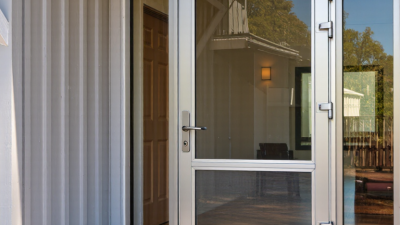
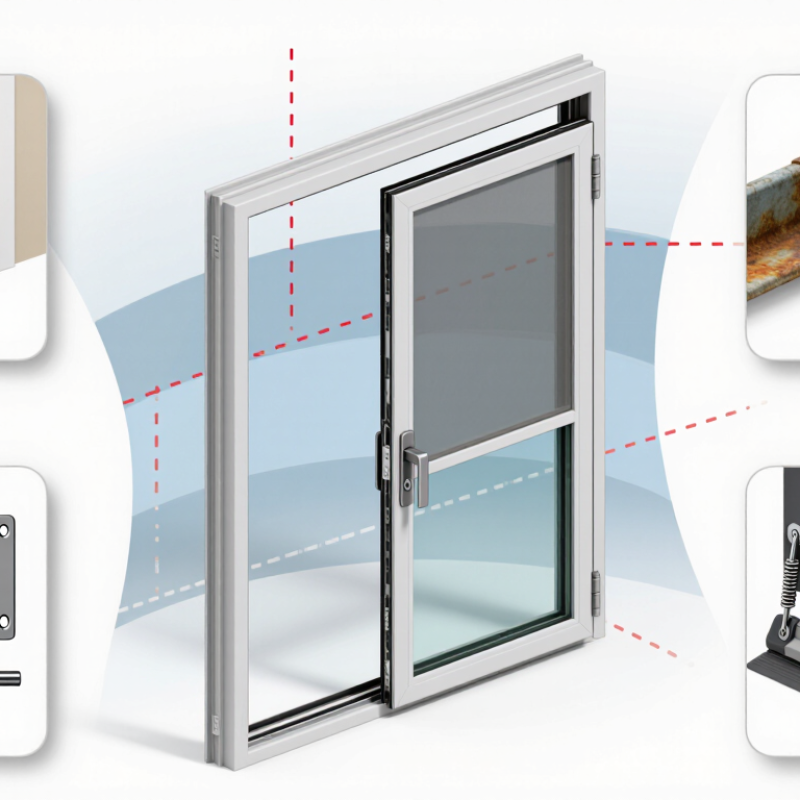
Aluminum storm doors generally fall into three practical types. Full-view models use a large glass panel, giving a clear view and strong daylight; some accept a seasonal screen insert. Mid-view designs have a solid lower panel, which can better tolerate muddy shoes or pet scratches. Ventilating models use movable glass panels to expose built-in screens. Some also have retractable screens. The right type depends on how you use the entry, not just how much glass you prefer.
Aluminum is lightweight and naturally forms a protective oxide layer, but hinges, corners, and finishes still need inspection. The Aluminum Association reports that roughly 75% of all aluminum ever produced remains in use, a useful industry measure of the material’s recyclability and long service life—not a guarantee that any door will last. Check frame thickness, weatherstripping, latch alignment, and whether replacement panels are available. A door that looks sturdy in a showroom can still rattle if its frame is poorly fitted.
Tips: Measure the opening in several places, since older jambs may be uneven. For a shaded, drafty entrance, favor tight seals and a movable glass panel; for a bright porch, consider full-view glass. Small details matter. Check that the handle clears the main door and that the screen can be removed for cleaning.
Identifying Your Climate, Entryway, and Protection Needs
Choosing an aluminum storm door begins with the weather around your home. In a windy region, check the door’s tested wind rating and how securely its frame fastens to the entryway. Coastal air brings salt, which can wear on finishes over time. Look for a durable protective coating, and expect to rinse the frame occasionally. Aluminum resists rust, but it is not maintenance-free. In cold climates, a tight fit and sound weatherstripping help limit drafts; a poorly adjusted door can still let cold air slip around the edges.
Measure the opening at several points, since older door frames are not always square. Note the threshold height, handle position, and direction the door will swing. A screen panel can invite a breeze on mild days, while interchangeable glass panels offer a more enclosed feel in colder weather. Think about daily use, too. A heavy closer may frustrate children or anyone carrying groceries, even if it shuts the door neatly.
Protection needs vary. If you want better visibility, choose a layout with clear glass; if privacy matters, consider textured glazing. For added security, check the lock design and whether the frame can be anchored firmly to your home’s structure. No storm door compensates for a weak main entry door. It is easy to focus on features and overlook installation, but a small gap at the hinge side can undermine comfort. A second measurement helps. Even then, older openings can surprise you.
Comparing Frame Quality, Glass Options, Screens, and Hardware
An aluminum storm door should feel rigid when opened, not twist at its corners. Press gently near the latch and hinge sides; visible flex may indicate a light frame or limited reinforcement. Check that joints meet evenly and that the finish has no bare spots. A thicker frame is not automatically better if the door is poorly fitted. Measure the opening carefully, since even a small mismatch can cause rubbing or drafts.
Glass choice depends on light, privacy, and upkeep. Clear glass brightens a dim entry, while patterned or tinted glass softens views from outside. If the door faces strong afternoon sun, ask about heat-resistant glazing and safe glass options. Hold a sample near the entry, if available; indoor lighting can make colors look misleading. That detail is easy to miss.
A full-view screen gives broad airflow but leaves less solid panel area when the glass is stored. Interchangeable glass and screen panels offer flexibility, though changing them should not require awkward tools. Test the hardware in person: the handle should turn smoothly, the closer should shut the door without a slam, and hinges should feel secure. A stiff latch can become annoying fast. I would also check whether replacement screens and weatherstripping are easy to obtain; this is often overlooked during a showroom visit.
Measuring Your Doorway and Checking Installation Requirements
A storm door can look like a simple add-on, but a small measurement error may leave a visible gap or prevent the closer from working smoothly. Measure the existing doorway’s width at the top, middle, and bottom, then use the narrowest reading. Measure height on both sides, from the mounting surface at the head to the threshold. Record each figure to the nearest 1/8 inch. DASMA’s installation guidance stresses checking the mounting surface and following the door system’s instructions; nominal door size alone does not confirm a fit.
Tips: Check the frame for rot, loose trim, and uneven surfaces before ordering. Note the handle’s position, exterior light fixtures, and any raised threshold. Leave room for the hinge rail and closer, as specified in the installation instructions. A tape measure can show the opening, but it cannot reveal a bowed jamb. Use a straightedge to check.
The U.S. Department of Energy’s Building America Solution Center recommends careful inspection of the existing assembly when planning door improvements. In practice, that means checking whether the trim is sound and whether the new frame can sit flat. Also confirm which way the main door swings and whether the storm door’s screen or glass can be removed safely. If the three width readings differ noticeably, pause before ordering. I’d recheck them; it’s easy to measure the trim instead of the actual mounting area.
How to Choose the Best Aluminum Storm Doors? — Measuring Your Doorway and Checking Installation Requirements
How to read this example: Measure the opening width at the top, middle, and bottom, and use the smallest measurement when checking door fit. These sample readings are illustrative; measure your own doorway. Also measure the height on both sides, check that the mounting surface is flat and clear, and confirm threshold and swing requirements against the installation instructions for the door you select.
Evaluating Energy Efficiency, Durability, and Long-Term Value
Choosing an aluminum storm door for energy efficiency means looking beyond the frame material. The U.S. Department of Energy estimates that heat gain and loss through windows account for 25–30% of residential heating and cooling energy use. A well-fitted storm door can help limit drafts, but poor seals can undermine its benefits. Check the weatherstripping around the latch and sweep, and look for tight, even contact when the door closes. Small gaps matter.
The U.S. Department of Energy reports that low-emissivity storm windows can save 10–30% on heating and cooling costs compared with single-pane windows; actual results vary with climate and installation. For a storm door, compare glazing options and inspect the National Fenestration Rating Council label when available. U-factor indicates heat transfer; a lower number generally means better insulation. Aluminum is lightweight and resists rust, but it conducts heat readily. A thermally separated frame can reduce that drawback. Check the finish, corner joints, hinges, and drainage openings for signs of weak construction. Details count.
Long-term value depends on more than the purchase price. Ask whether hinges, closers, and weather seals can be replaced individually, and whether the finish needs regular care. A door that survives years of daily use may be worth more than a cheaper unit with hard-to-source parts. Still, no rating captures every installation flaw. Measure carefully, and remember that even a solid door can disappoint if the frame is out of square.