How to Choose Slim Frame Aluminum Sliding Doors
Choosing Slim frame aluminum sliding doors is not just a matter of finding the narrowest frame. The right choice balances clear views, smooth operation, weather performance, and the needs of your opening. A slim profile can make a room feel more connected to a garden or patio. But the details behind the frame matter just as much.
Architect Ludwig Mies van der Rohe’s famous principle, “Less is more,” offers a useful design lens. He was not speaking specifically about sliding doors, but the idea fits their appeal: less visible framing can give glass and surrounding views greater presence. In practice, though, the slimmest sightline is not automatically the best option. A door must still feel stable, slide easily, and suit the conditions where it will be installed.
Start by measuring the opening and considering how often the doors will be used. Check the frame’s thermal break, the glass specification, and the track’s drainage design. Ask how the system handles wind exposure and whether its panels are practical to move. In a coastal home, for example, finishes and hardware may need closer attention. For a large opening, panel weight and installation quality deserve equal scrutiny. Details matter.
Compare complete systems, not profile width alone. Request product specifications, warranty information, and a sample finish you can view in natural light. If possible, test a display door; a smooth showroom glide can reveal more than a brochure. Even careful research cannot replace a site-specific assessment. This guide explains how to weigh those factors and choose Slim frame aluminum sliding doors that look refined and work reliably in your space.
Define Your Space, Access Needs, and Design Priorities
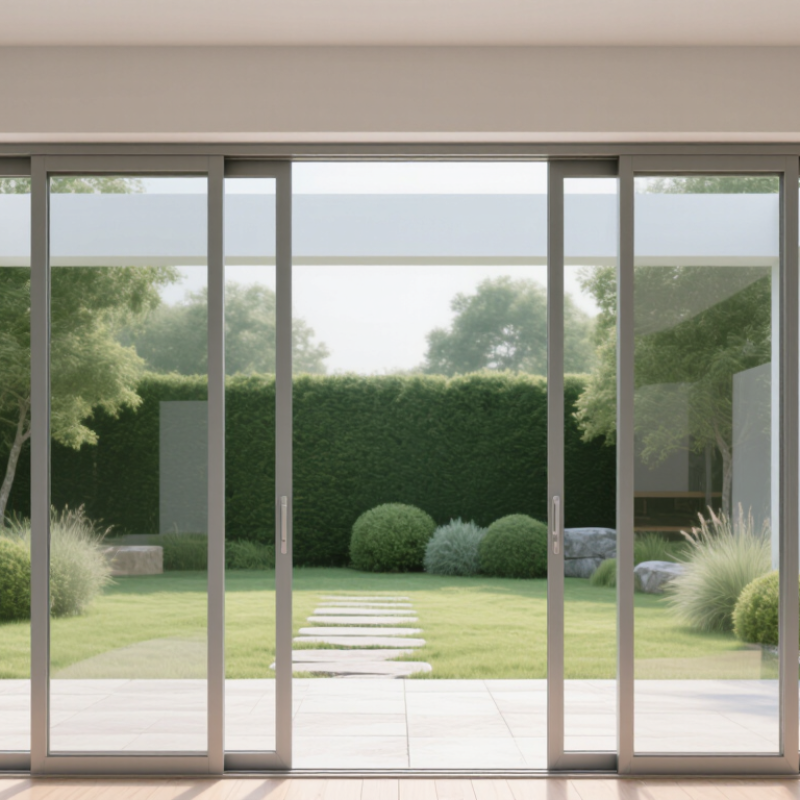
Start with the room, not the frame. Measure the full opening at several points, since older walls can drift out of square. Note where furniture, radiators, and curtains sit. A sliding panel needs clear wall space, but it does not swing into the room. That can help beside a dining table. Check the threshold. Think about who will use the doorway. If mobility equipment is involved, compare its width with the clear opening, not the overall frame size.
Then decide whether daylight, views, or privacy matter most. Slim frames admit more glass visually, but frame width alone says little about insulation or durability. Compare glazing options, thermal performance, hardware, and panel weight for your climate and opening size. A narrow sightline can look elegant, yet a heavy panel may need more effort to move. It is easy to overvalue the thinnest profile. Test a sample if possible. Look at the track. A low track may ease daily passage, but drainage and weather sealing still matter. Ask the installer how the system handles wind exposure, water, and routine cleaning; these details are easy to overlook.
Compare Frame Widths, Sightlines, and Aluminum Finishes
With slim-frame aluminum sliding doors, compare the visible frame face, not just the overall frame depth. Ask for measurements of the finished sightline, including the meeting stile where panels overlap. A few millimeters can change the appearance across a wide opening. Check a corner sample, too. Small details matter.
Sightlines depend on panel size and layout as well as frame width. A narrow profile can create a clean view, but large glass panels may need more substantial framing to meet project requirements. More glass is not always better. Consider how many panels stack open, and whether the remaining vertical lines suit your room. A quick sketch can reveal awkward divisions before you order.
Aluminum finishes affect both appearance and upkeep. Compare samples in daylight; a warm grey may look cool beside white walls. Dark finishes can make slim frames recede, while lighter ones show their outline more clearly. Ask how the finish is tested and maintained, especially in exposed or coastal settings. I would avoid choosing from a tiny swatch alone. It is an easy mistake. View a larger sample beside your flooring and check it at different times of day.
Assess Glass Options, Thermal Ratings, and Weather Seals
With slim-frame aluminum sliding doors, glass does much of the insulating work. Compare double- and triple-glazed units, and check whether low-emissivity coatings or gas-filled cavities are included. Ask for the whole-door U-factor, not just the center-of-glass figure; lower U-factors generally indicate less heat transfer. Solar heat gain coefficient matters too, especially where strong afternoon sun can warm a room quickly. Numbers need context. A high-performance glass package may reduce heat loss, but it can also add cost or slightly change the view’s color. Check a sample in daylight if appearance matters.
Weather seals are just as important as glass. Look for continuous gaskets around the frame, tight seals where panels meet, and a sill designed to drain water outward. Ask for documented air-leakage and water-penetration test ratings for the complete door assembly. Ratings help with comparison, though real performance also depends on careful installation. Even a well-rated door can leak if the frame is out of square or the sill is poorly sealed. Ask how seals can be inspected and replaced, and keep sill drainage paths clear. Small details count. One practical caution: specifications can look impressive on paper, so compare the tested door size and configuration with the one you plan to buy.
Check Sliding Performance, Security Features, and Hardware
A slim frame looks clean, but the rollers and track determine whether the door still feels good after daily use. Slide the sample panel slowly, then close it without lifting or pulling hard. It should travel evenly, with no scraping, rattling, or sudden resistance. Check whether the bottom track can be cleared of grit easily; a tiny stone can make a smooth door feel surprisingly rough.
The Fenestration and Glazing Industry Alliance’s NAFS-22 standard evaluates air leakage, water penetration, and structural performance. Ask for the tested performance class and grade, not just a general claim of “high performance.” The NFRC Certified Products Directory lists tested product ratings, including U-factor and air leakage. Compare the figures for the actual door configuration.
Security depends on the whole assembly. AAMA 1304-21 sets forced-entry resistance testing for windows and sliding glass doors; ask whether the proposed configuration was tested. Look for a multi-point lock that engages firmly, a keeper fixed into the frame, and an anti-lift feature that prevents the panel being raised from its track. Test the handle with the panel shut. It should engage without a sharp twist. Rollers should be adjustable and replaceable, while screws and lock parts should remain accessible for service.
Small details matter. I still find it easy to overlook the interlock—the meeting stile between panels—until a draft or loose fit appears. Don’t. Ask the installer to demonstrate locking, adjustment, and roller access before ordering.
Confirm Measurements, Installation Requirements, and Warranty Terms
Slim-frame aluminum sliding doors leave little room for measurement errors. Measure the structural opening at the top, middle, and bottom, then compare the smallest width and height with the manufacturer’s required clearances. Check diagonals too; a difference can signal a racked opening. Record finished floor height, sill depth, and nearby trim before ordering.
Small gaps matter. The U.S. Department of Energy estimates that windows can account for 25–30% of home heating and cooling energy use. A well-fitted glazed door can help limit unwanted air leakage, but the frame alone does not guarantee performance.
Confirm whether the opening needs a sill pan, flashing, drainage path, or added structural support. Ask who is responsible for each step, especially if the wall is not square or the floor slopes. Review the product’s U-factor and solar heat gain coefficient on its NFRC label; these ratings help compare energy performance under standardized methods.
Request written warranty terms covering glass, hardware, finish, water intrusion, and labor. Check whether an unauthorized alteration or missed maintenance task could void coverage. I would keep these details with the order paperwork.
Tips: Photograph the opening and note every measurement. Before installation, test the track with a level and confirm the panels glide without rubbing. Keep the warranty, care instructions, and installer’s scope in one file. Rechecking takes time, but guessing can cost more.