How to Choose Replacement Entry Doors for Your Home?
Choosing the right replacement entry doors for your home is crucial. These doors enhance security, energy efficiency, and aesthetic appeal. According to a report by the National Association of Realtors, front door replacements can yield a remarkable 74% return on investment. However, many homeowners overlook the importance of this choice.
Industry expert Jane McGowan emphasizes, "Selecting the right replacement entry doors transforms your home's first impression." This highlights how essential it is to consider style, material, and functionality. Entry doors contribute significantly to curb appeal. Many people settle for generic options, missing the opportunity to personalize their space effectively.
As trends evolve, the demand for energy-efficient and stylish doors increases. Studies indicate that fiberglass doors provide superior insulation compared to wood or steel options. Recognizing these factors prevents poor decisions. More than just a functional element, replacement entry doors can be a lasting investment that reflects your home's character.
Understanding the Importance of Entry Doors in Home Design
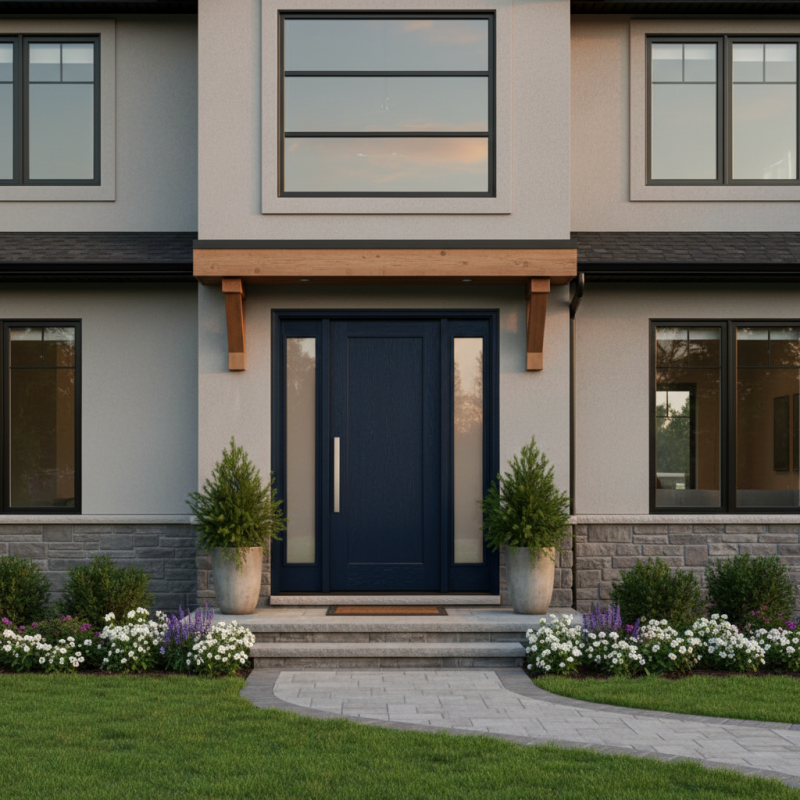
Entry doors play a crucial role in home design. They are not just functional; they also impact how guests perceive your home. According to the American Institute of Architects, over 70% of homeowners say the entry door influences their first impression. A well-chosen door can enhance curb appeal significantly.
Consider the material of your entry door. Wood, fiberglass, and steel are popular options. Each has its pros and cons. For instance, wooden doors offer warmth but need more maintenance. In contrast, fiberglass doors resist dents and scratches but may seem less authentic. The choice isn't easy, and it's okay to feel unsure.
Another important factor is energy efficiency. The U.S. Department of Energy notes that doors account for about 10-15% of a home's heat loss. Choosing an energy-efficient door can reduce bills. It’s also about comfort. A drafty entry can detract from a welcoming atmosphere, making your entryway feel less inviting. Consider investing in a door that meets energy standards, even if it feels like a hefty commitment. The right door can offer both beauty and functionality, shaping the experience of your home.
Assessing Your Home’s Style and the Right Door Material
When selecting replacement entry doors, the style of your home and the door material are crucial. A well-chosen door enhances your home's aesthetic and provides security. According to industry reports, homes with modern doors can see a return on investment of up to 75%. This illustrates how important it is to consider both design and material.
Different architectural styles call for different types of doors. For instance, traditional homes often suit wooden doors, while contemporary designs might favor fiberglass or steel for a sleek look. When assessing your home’s style, think about colors and textures that complement the existing elements. Remember, not every material fits every style. A mismatch can detract from your home’s overall appeal.
Tips: Choose a door that matches your architectural design. Opt for materials like fiberglass for durability. Consider energy-efficient options to reduce heating and cooling costs. Reflect on your local climate as well. For example, harsher environments might require stronger materials, leading to higher costs. Sometimes, quality and durability over aesthetics is a decision worth considering.
Evaluating Energy Efficiency and Security Features
When selecting replacement entry doors, energy efficiency is crucial. According to the U.S. Department of Energy, up to 30% of a home's energy can escape through doors. This makes high-performance doors a wise investment. Look for those with a high R-value, which indicates better insulation. Fiberglass and steel options often outperform traditional wood doors in this regard.
Security features are equally important. Many incidents of break-ins occur through unsecured entry points. A door should have strong materials and secure locks. According to the Bureau of Justice Statistics, homes without deadbolts are significantly more likely to be burglarized. Choose doors that come with multi-point locking systems for enhanced security. These systems lock at multiple points, making it harder for intruders to force entry.
It's also essential to consider the door frame and installation. A poorly installed door can compromise both energy efficiency and security. Pay attention to the gaps around the door. A small gap can lead to heat loss and security vulnerabilities. It may seem like a minor detail, but it has a significant impact. Investing thought and care in choosing the right door pays off in the long run.
How to Choose Replacement Entry Doors for Your Home? - Evaluating Energy Efficiency and Security Features
| Feature |
Description |
Energy Efficiency Rating |
Security Features |
| Material |
Various materials such as fiberglass, steel, and wood. |
R-Value: 6 to 8 for fiberglass |
Multi-point locking systems |
| Insulation |
Insulated cores for better thermal performance. |
U-Factor: 0.30 or lower |
Reinforced frames |
| Glass Options |
Double or triple glazing to reduce heat loss. |
Solar Heat Gain Coefficient: 0.25 to 0.35 |
Laminated or tempered glass for enhanced security |
| Weatherstripping |
Prevents air leaks and improves energy efficiency. |
N/A |
Resistant to weather conditions |
| Design |
Aesthetic options to match home decor. |
N/A |
Smart lock integration available |
Measuring for Proper Fit and Installation Requirements
Choosing replacement entry doors is crucial for your home’s appearance and security. But measuring for proper fit is the key step. Start by removing the old door and measuring the rough opening. It’s common for homeowners to overlook imperfections in this space. Use a tape measure to get the width and height at multiple points. This will help ensure an accurate fit.
Consider the hinge locations when measuring. They can significantly affect the door's functionality. You might find that your measurements vary from what you expect. That's okay; adjusting is part of the process. Make sure to account for any settling or shifting in your house. If you rush this step, it might lead to misalignments. Such oversights can become costly.
Installation requirements are equally important. Check if you need to trim the door or adjust the frame. Weatherstripping is also essential for energy efficiency. Many forget this detail, leading to drafts and higher bills. If you face challenges during installation, take a moment to reassess. Sometimes, it's about stepping back and looking at the bigger picture. Each door tells a story, so make sure it fits yours well.
Budgeting for Your Replacement Entry Door Project
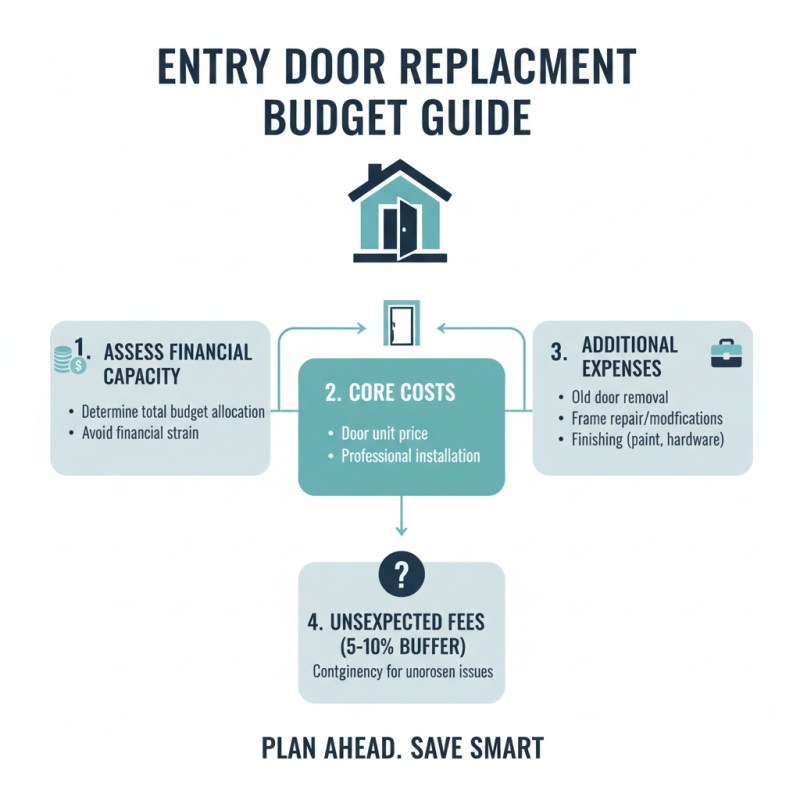
Budgeting for a replacement entry door project can be tricky. It’s important to start by assessing your financial capacity. Determine how much you can allocate without straining your finances. Think about additional costs for installation and finishing touches. Sometimes, unexpected expenses arise, such as removing old doors or repairing frames.
Consider different materials and styles to find options that fit your budget. Wooden doors can be appealing but often come with higher maintenance costs. Fiberglass doors provide durability and require less upkeep. Don’t forget about energy efficiency; choosing insulated models may save money on heating bills later.
You might have a dream door in mind, but compromises might be necessary. It’s crucial to balance aesthetics and practicality. If you overspend on the entry door, you might need to cut corners elsewhere. Reflect on the long-term value of your investment. Sometimes, a less expensive option can provide both style and functionality. Adjust your expectations and make informed choices.