How to Choose the Best Garage Doors for Your Home?
Choosing the right garage doors is crucial for any homeowner. These doors enhance curb appeal, increase property value, and provide safety. The garage door market has seen a steady growth, worth over $16 billion by 2023, according to industry reports. An informed decision can lead to long-term satisfaction.
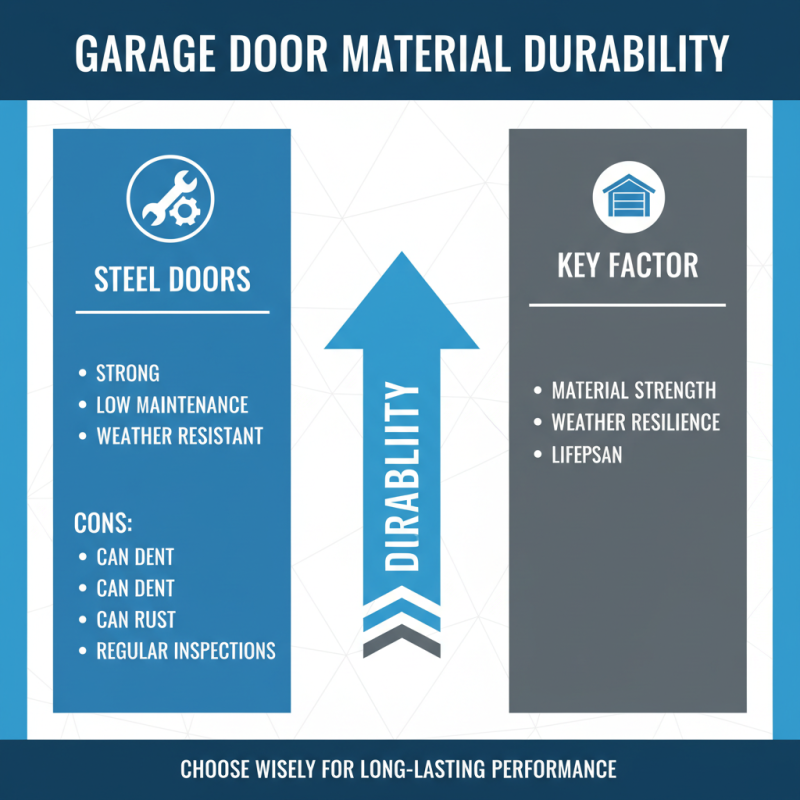
Consider the material of garage doors. Steel, wood, and fiberglass each have their distinct advantages. For instance, steel doors are durable and low-maintenance. In contrast, wooden doors offer aesthetic charm but require more upkeep. Homeowners often overlook insulation, which can impact energy efficiency. A well-insulated door can save up to 15% on heating costs.
When selecting garage doors, think about style and functionality. Options range from traditional to contemporary designs. Many homeowners regret not prioritizing these aspects. It's essential to reflect on personal preferences alongside market trends. This balance can lead to a choice that meets both needs and desires, ultimately enhancing your home's character.
Factors to Consider When Choosing Garage Doors for Your Home
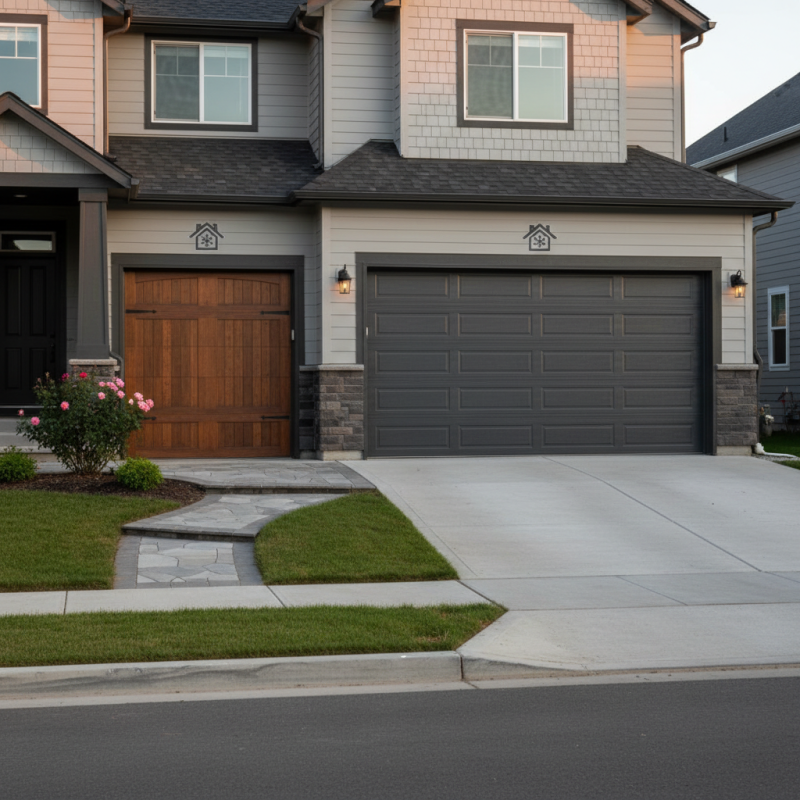
Choosing the right garage door is vital for both functionality and aesthetics. When selecting a garage door, consider materials. Wood, steel, and fiberglass each offer different levels of durability and maintenance needs. A recent report showed that 90% of homeowners love their garage door's appearance. A beautiful door adds curb appeal, but remember, beauty can come with high upkeep.
Next, think about insulation. Insulated doors can improve energy efficiency. Research shows that homes with insulated garage doors save up to 20% on energy bills. This investment may seem significant, but it pays off in the long run. Look for R-values if energy efficiency matters to you. Plan for climate changes in your area, too.
Security is another critical aspect. Study shows that nearly 60% of break-ins happen through the garage. Choose doors with high-quality locks and strong materials. A weak door can be an easy target. Reflect on these factors carefully. You may find that your preferences change, or you value some aspects more than others after consideration.
Factors to Consider When Choosing Garage Doors for Your Home
Types of Garage Doors: Pros and Cons of Each Style
When selecting garage doors, understanding different styles is essential. Each type has distinct pros and cons that fit different needs.
Sectional doors are popular for their versatility. They consist of several panels that move on tracks. These doors often come insulated. According to the International Door Association, over 50% of homeowners prefer sectional doors for their balance of cost and efficiency. However, they require regular maintenance, which some might overlook.
Roll-up garage doors take minimal space and are excellent for tight areas. They are made of high-quality materials but can be pricier. On the downside, installation can be complicated. Some reports indicate that 40% of homeowners struggle with installation. Swing-out doors give off a classic appeal. They can enhance curb appeal but need sufficient space upfront. This need for room can be a dealbreaker for many homes.
Ultimately, focusing on the specific requirements of your home is vital. Think about what works for your lifestyle and budget. Make sure to consider both the advantages and the pitfalls of each style.
How to Choose the Best Garage Doors for Your Home?
| Type of Garage Door |
Pros |
Cons |
| Sectional Garage Doors |
Good insulation, variety of styles, compact operation. |
More expensive, requires maintenance of moving parts. |
| Roll-Up Garage Doors |
Durable, secure, space-saving design. |
Limited design options, can be noisy. |
| Side-Hinged Garage Doors |
Classic look, easy to install, does not take up space inside the garage. |
Requires extra space to fully open, less insulation. |
| Tilt-Up Garage Doors |
Simplicity, fewer parts to maintain, can be less expensive. |
Less insulation, open outwards which requires space. |
| Glass Garage Doors |
Modern aesthetic, allows natural light, customizable. |
Lower durability, can compromise privacy. |
Insulation and Energy Efficiency Ratings in Garage Doors
Selecting the right garage door involves careful consideration of insulation and energy efficiency ratings.
Insulated garage doors help maintain temperature within the garage. This can lead to lower heating and cooling costs for your home.
The materials used in the door's construction can greatly affect its insulating properties. Steel, for example, often has high insulation values, while wood may require additional treatments.
Energy efficiency ratings are typically measured by R-value. This rating indicates how well a door can resist heat transfer.
A higher R-value means better insulation and energy savings. Many homeowners overlook this, focusing instead on aesthetics.
However, an attractive door that lacks efficiency can lead to increased energy bills over time.
It's also important to think about local climate conditions. In colder regions, investing in a more insulated door may be beneficial.
In warmer areas, basic insulation might suffice. Sometimes, it’s easy to get caught up in design choices, but neglecting insulation could impact comfort and energy costs.
Evaluating your specific needs is crucial before making a decision.
Cost Considerations: Budgeting for Purchase and Installation
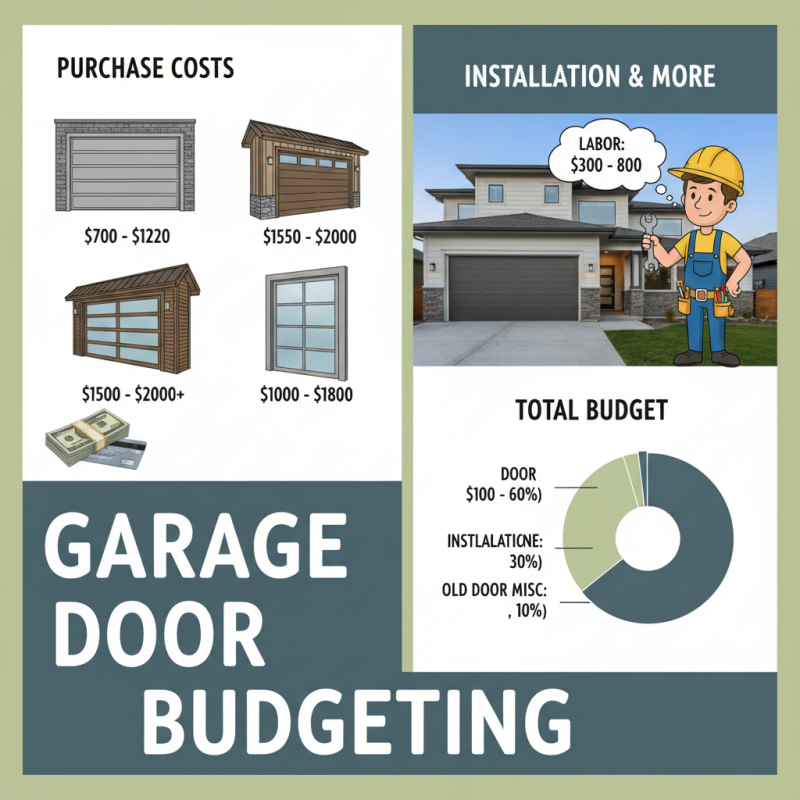
When budgeting for garage doors, consider both purchase and installation costs. According to industry reports, the average cost of a new garage door ranges from $700 to $2,000. This figure varies by materials, style, and size. Steel doors are often more affordable, while wood provides aesthetic appeal but comes with higher maintenance costs.
Installation costs can also add up. On average, homeowners pay between $300 and $800 for professional installation. Some may opt for DIY installation to save money. However, improper installation can lead to issues, such as poor insulation or malfunctioning mechanisms. Think carefully before going this route.
Consider less tangible costs as well. Doors with higher energy efficiency ratings might have a steeper initial cost but can save you money on utility bills over time. According to the U.S. Department of Energy, insulated garage doors can reduce heating and cooling costs by 20%. Balancing these financial factors can be tricky, but losing sight of the long-term benefits is a common mistake. Understanding these budgeting aspects is essential for making an informed decision, even if it feels overwhelming at times.