How to Choose the Best Water Butt Hose for Your Needs?
When it comes to maintaining a garden or landscaping, having the right tools is essential. A Water Butt Hose can significantly contribute to efficient watering practices. However, choosing the best one for your needs can feel overwhelming. With various types and specifications available, it's important to make informed choices.
Understanding the purpose of a Water Butt Hose is vital. This tool connects to a water butt, allowing easy access to collected rainwater. It encourages sustainable gardening and conserves water. Yet, not all hoses are created equal. Factors such as length, diameter, and material can influence performance and durability.
Learning about these variables can lead to better decisions. It's worth noting that a hose that works perfectly for one garden might not suit another. Reflecting on your specific requirements will guide your choice. Emphasizing quality and reliability will pay off in the long run. After all, the right Water Butt Hose can enhance your gardening experience, helping you nurture your plants while being eco-friendly.
Understanding the Different Types of Water Butt Hoses Available
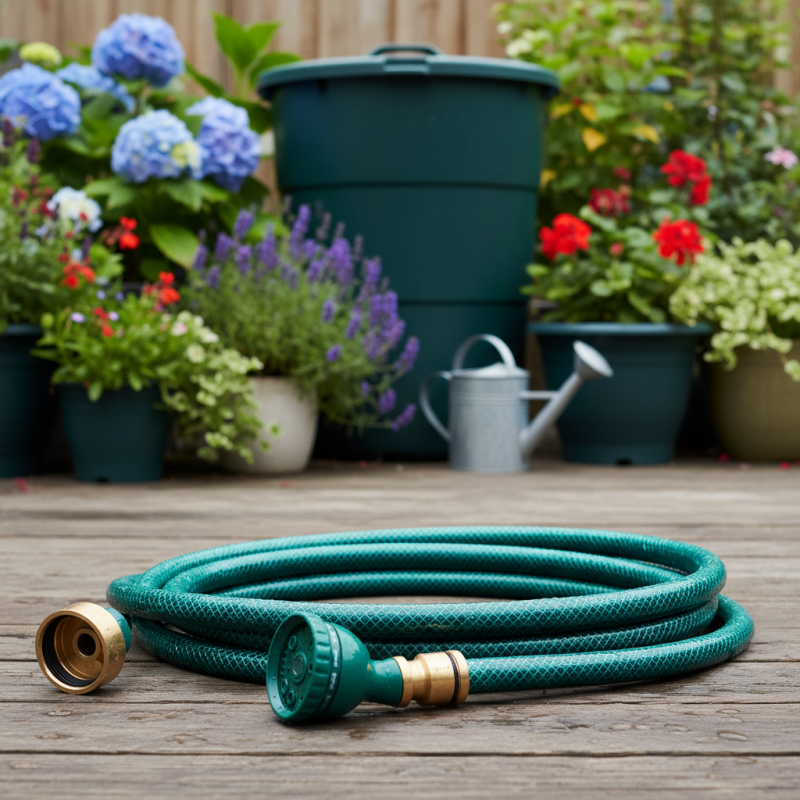
When selecting a water butt hose, it's essential to understand the various types available. Water butt hoses can be classified primarily into two categories: flexible hoses and rigid hoses. Flexible hoses are popular for their easy handling and storage. They can be twisted and curled, making them suitable for various garden layouts. In contrast, rigid hoses offer better durability and can handle high-pressure situations, but they lack flexibility in maneuvering around plants.
Furthermore, the material of the hose significantly impacts its performance and lifespan. PVC hoses are lightweight but may degrade under sunlight, while rubber hoses are more UV resistant. According to industry reports, the average lifespan of a PVC hose is about five years, while rubber can last up to ten years.
Tips: Always check the diameter of the hose. A larger diameter translates to greater water flow, which is essential for larger gardens. Additionally, consider the length of the hose; a hose that's too short might restrict your reach.
Think about the coupling type as well. Quick-release connectors are convenient but ensure they fit securely to avoid leaks. Sometimes, a compromise on one feature might lead to challenges in another aspect, signaling the need for careful evaluation. Each type carries its pros and cons, shaping your gardening efficiency.
Key Features to Consider When Selecting a Water Butt Hose
Choosing the right water butt hose can make a significant difference in your gardening efforts. When selecting a hose, consider the length. A longer hose allows you to reach more areas, while a shorter one can be manageable and easier to store.
Material matters. Look for hoses made from durable, UV-resistant materials. This ensures longevity and reduces the need for frequent replacements. A robust hose can withstand various weather conditions. Pay attention to the diameter as well. A wider diameter means better water flow, which can be crucial for larger gardens.
Tips: Always check for compatibility with your water butt. A hose that fits securely prevents leaks. Consider the weight too; a lightweight hose is easier to maneuver. A more flexible hose can help avoid kinks and tangles as you work. Remember, it's essential to find a balance between practicality and efficiency in your choice.
Assessing Compatibility with Your Water Butt System
When selecting a water butt hose, compatibility with your existing water butt system is crucial. Research from the Water Management Federation suggests that improper fittings can lead to inefficiencies. Up to 20% of water stored in a butt can be wasted due to leaks from mismatched hoses. Inspect the diameter of your water butt outlet; common sizes are 1 inch and 3/4 inch. Matching these dimensions accurately prevents flow issues.
Assessing the connection type is equally vital. Many water butts feature standard threaded connectors, while others may use a push-fit system. The lack of compatibility not only affects water flow but can also result in damage to your water butt. Studies indicate that about 15% of users experience performance degradation due to incompatibility. Conduct a thorough check before purchase. Each component of your setup must align seamlessly to maintain optimal water usage.
Consider the material of the hose as well. Options include PVC and rubber, each with distinct characteristics affecting flexibility and longevity. While cheaper materials may suit short-term needs, they can deteriorate faster. This degradation might lead to failure in unexpected weather conditions. A comprehensive understanding of these factors can optimize your system's efficiency and reliability.
Evaluating Durability and Material Choices for Longevity
When selecting a water butt hose, durability is pivotal. The material plays a crucial role in determining how long the hose will last. Most hoses are made from plastic or rubber. Plastic hoses tend to be lightweight but may crack under high pressure. Rubber hoses, while heavier, offer better flexibility and resistance to punctures and wear. Choosing a sturdy material can save you time and money in the long run.
Another important factor is the thickness of the hose walls. Thicker walls typically provide better protection against wear and environmental factors. Consider the hose's exposure to sunlight. UV rays can degrade some materials quickly. Always check for UV-resistant options if the hose will be in direct sunlight.
Reflecting on your needs is essential. Will you use the hose frequently, or just occasionally? Frequent use demands more robust materials. Don’t overlook the quality of the fittings at both ends of the hose. Poor quality fittings can lead to leaks, negating the benefits of a sturdy hose. Evaluate all these aspects carefully to ensure you make a reliable choice.
Price Comparison: Finding the Best Value for Your Water Butt Hose
When selecting a water butt hose, price is a significant factor. Many options exist, each with varying costs and features. It's essential to set a budget before beginning your search. For example, basic hoses might start at a lower price point but could lack durability. On the other hand, premium options might offer advanced features but come with a higher price tag.
Comparing prices across different retailers can help identify the best value. Be sure to consider the length and material of the hose, as these can impact both functionality and pricing. Reading customer reviews adds another layer of insight. Sometimes, lower-priced hoses may have unexpected issues, such as poor fittings or leaks. It’s worth investing time into understanding user experiences.
Pricing also varies depending on seasonal sales or promotions. Waiting for sales might yield better options. However, it’s crucial not to compromise on quality because of price alone. A cheap hose could lead to more costs later in repairs or replacements. Hence, evaluate your choices carefully. A balance between price and quality is crucial for long-term satisfaction.