How to Choose the Best Vinyl Doors for Your Home Improvement Project
When it comes to enhancing the aesthetics and functionality of your home, choosing the right entryway is crucial. Vinyl doors have gained significant traction among homeowners for their durability, energy efficiency, and low maintenance requirements. According to a recent report by the American Architectural Manufacturers Association, vinyl doors have seen a surge in popularity, with a projected market growth of over 5% annually through 2025. This growth can be attributed to their ability to withstand harsh weather conditions while providing an appealing look that complements modern architectural styles.
Furthermore, the U.S. Department of Energy suggests that energy-efficient doors, including vinyl variants, can reduce heating and cooling costs by up to 15%. The insulation properties of vinyl minimize air leakage, making them an excellent choice for homeowners looking to enhance energy efficiency. As the home improvement sector increasingly focuses on sustainable choices, vinyl doors are emerging as a smart investment that not only elevates the visual appeal of a property but also offers long-term savings and environmental benefits. Understanding the selection criteria for the best vinyl doors will empower homeowners to make informed decisions that align with their project goals.
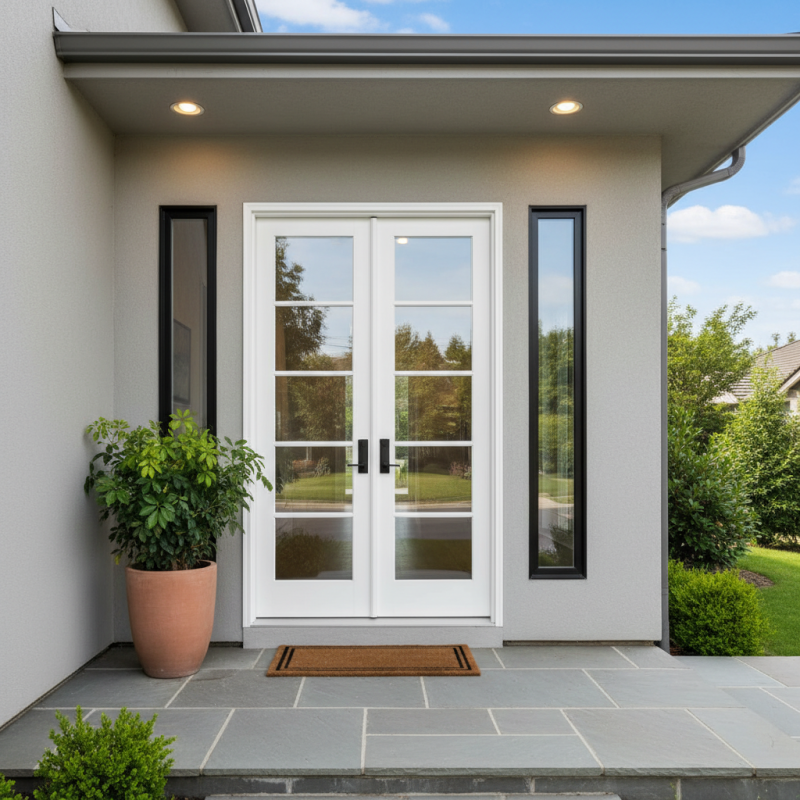
Understanding the Benefits of Vinyl Doors for Home Improvement
When considering home improvement projects, choosing the right materials is crucial, and vinyl doors stand out for their myriad benefits. According to the Vinyl Siding Institute, vinyl doors can significantly contribute to energy efficiency, providing insulation that helps maintain internal temperatures. This energy efficiency can lead to a reduction in heating and cooling costs by up to 30%, making them an attractive option for homeowners looking to lower their utility bills.
In addition to energy savings, vinyl doors offer exceptional durability and low maintenance. The American Architectural Manufacturers Association reports that vinyl can withstand various weather conditions without warping, cracking, or fading, unlike traditional wood doors. This resilience not only extends the lifespan of the doors but also reduces the need for frequent replacements or repairs. With their low upkeep requirements, homeowners can enjoy both aesthetic appeal and functionality without the ongoing maintenance concerns associated with other materials. As a result, vinyl doors are becoming an increasingly popular choice for those embarking on home improvement projects.
Assessing Your Home's Style and Design Needs
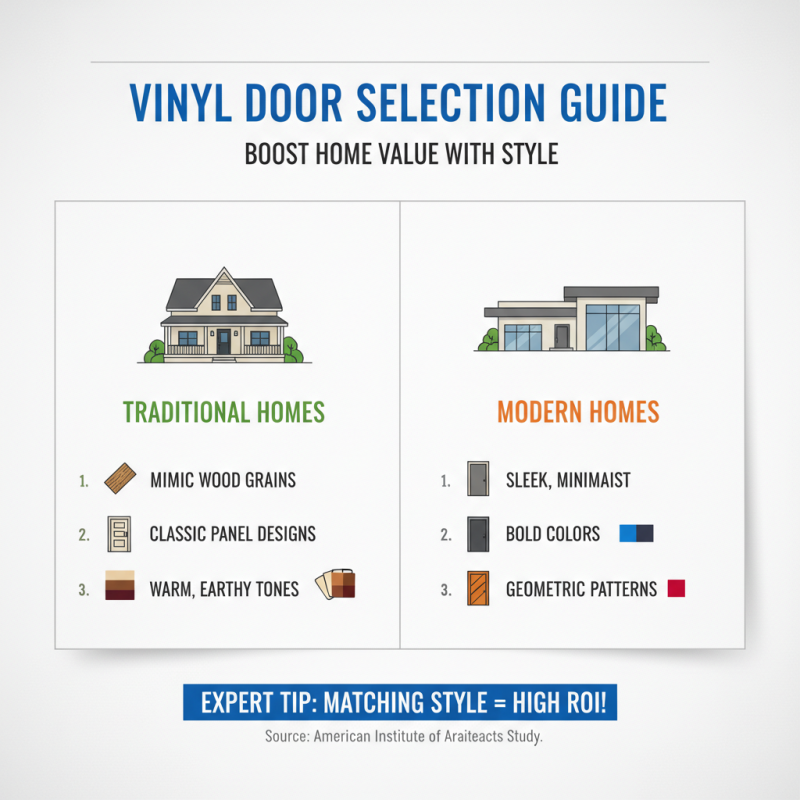
When selecting vinyl doors for your home improvement project, it's essential to align the design with your home's existing style. A study by the American Institute of Architects indicates that a well-coordinated exterior enhances overall property value, with high ROI potential when styles are matched. For traditional homes, consider vinyl doors that mimic natural wood grains or feature classic panel designs. Conversely, modern or contemporary aesthetics might benefit from sleek, minimalist doors with bold colors or geometric patterns that create striking visual interest.
Additionally, understanding the architectural elements of your home can guide your choice of vinyl doors. According to the Remodeling 2021 Cost vs. Value Report, homeowners investing in new entry doors recoup an average of 74% of their costs through increased home value. This statistic underscores the importance of not only choosing a durable and energy-efficient door but also one that complements the architectural style. Think about the color palette, textures, and finishes prevalent in your home’s design, as cohesiveness in these elements can significantly enhance curb appeal and create a welcoming atmosphere.
Evaluating Durability and Maintenance Requirements of Vinyl Doors
When selecting vinyl doors for your home improvement project, understanding their durability and maintenance requirements is critical. Vinyl doors are recognized for their robust nature, typically lasting 20 to 30 years, largely owing to their resistance to rot, fading, and peeling. According to a report by the American Institute of Architects, vinyl doors perform exceptionally well in varying climate conditions, making them an ideal choice for regions with extreme temperatures and humidity levels. Their resistance to weathering is often attributed to the high-quality PVC formulations used in their manufacturing process.
Maintenance is another area where vinyl doors shine. Unlike wooden doors that require frequent painting and sealing, vinyl doors only need periodic cleaning with soap and water to maintain their appearance. The same AIA report suggests that homeowners can save an average of 30% on maintenance costs compared to traditional wood options, thanks to the low upkeep associated with vinyl materials. Also, many vinyl doors come with a UV protective coating, ensuring that they do not discolor over time, further enhancing their longevity and appeal.
Comparing Different Styles and Designs of Vinyl Doors
When selecting vinyl doors for your home improvement project, comparing different styles and designs is vital. Vinyl doors are appreciated not only for their aesthetic appeal but also for their durability and low maintenance. According to a recent industry report, approximately 70% of homeowners prefer vinyl doors due to their resistance to weather elements and energy efficiency, making them ideal for varied climatic conditions.
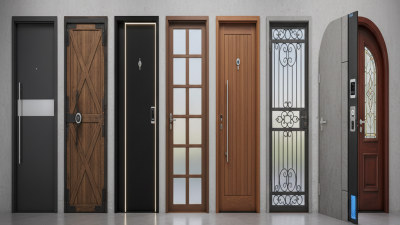
In terms of design, vinyl doors come in various styles, including traditional, contemporary, and custom options. Traditional styles often mimic the look of wood, offering a classic appearance with the functionality of vinyl. On the other hand, contemporary designs emphasize clean lines and minimalist features, appealing to modern aesthetics. A 2022 survey indicated that 60% of new home constructions favored contemporary styles, reflecting a significant trend shift toward streamlined designs that offer both form and function. Custom vinyl doors allow for personalization, catering to individual tastes while ensuring energy efficiency through advanced insulation techniques.
The choice between these styles ultimately depends on the specific needs and style preferences of the homeowner. Budget considerations play a crucial role as well; a study by the National Association of Home Builders suggests that investing in higher-quality vinyl doors can result in significant long-term energy savings, thus providing a strong return on investment.
Budgeting for Your Vinyl Door Purchase and Installation Costs
When budgeting for vinyl doors, homeowners should first consider the average cost of materials and installation. According to a report from the National Association of Home Builders, vinyl doors typically range from $200 to $600 based on style and size, with custom options potentially increasing costs significantly. Installation expenses could add an additional $100 to $300 depending on the complexity of the job and regional labor rates. Thus, homeowners should anticipate an overall budget of approximately $300 to $900 per door.
It's also crucial to account for potential additional expenses that might arise during the installation process. Hidden issues, such as rot or mold around existing door frames, could require extra materials and labor, potentially increasing costs by 15% to 25%. Furthermore, investing in energy-efficient vinyl doors can result in long-term savings, as low-E glass can lower energy bills by up to 10% annually. Therefore, a careful analysis of upfront costs versus long-term savings is essential for making a financially sound decision.