2026 How to Choose the Best SPC Plank Flooring for Your Home?
Choosing the right SPC plank flooring for your home can be a daunting task. As flooring expert Mark Johnson says, “It’s not just about aesthetics; it’s about durability and performance.” With so many options available, it’s essential to consider factors such as thickness, texture, and wear layer.
SPC plank flooring combines luxury with practicality. Its waterproof properties make it ideal for high-traffic areas or homes with pets. Different styles and colors allow homeowners to express their personality. However, not all SPC products are created equal. It's crucial to research brands and read reviews to ensure quality.
Quality SPC flooring can enhance your living space. But it’s easy to get overwhelmed by choices. A common mistake is prioritizing price over quality. When investing in flooring, remember that durability impacts long-term value. Finding the perfect SPC plank flooring involves careful consideration and, at times, reflection on your specific needs.
Understanding SPC Plank Flooring and Its Benefits
SPC plank flooring is gaining popularity due to its unique features. SPC stands for Stone Plastic Composite. This flooring type combines limestone and polyvinyl chloride. It offers a durable option for homes. Many homeowners appreciate its resistance to moisture and scratches. This makes it suitable for high-traffic areas or spaces prone to spills.
One major benefit of SPC flooring is its easy installation. The planks click together seamlessly, allowing for a quick setup. No need for glue or nails, which simplifies the process. However, some people may find the lack of cushioning uncomfortable underfoot. It’s wise to consider underlayment options for added comfort.
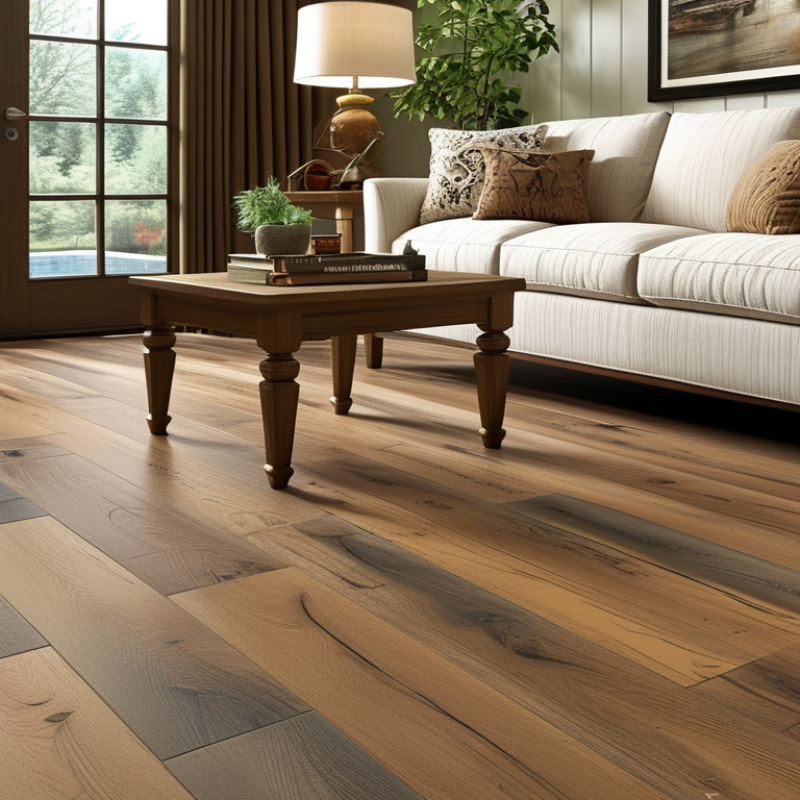
Another advantage of SPC plank flooring is its vast design choices. You can find styles mimicking natural wood or stone, which adds aesthetic value. Yet, some variants may not look as realistic. Choosing a high-quality product is essential to avoid this issue. The right decision often requires research and personal touch. Keeping an open mind about what works best for your home is vital.
2026 How to Choose the Best SPC Plank Flooring for Your Home? - Understanding SPC Plank Flooring and Its Benefits
| Feature | Details |
| Material | Stone Plastic Composite (SPC) |
| Water Resistance | Highly water-resistant, suitable for kitchens and bathrooms |
| Durability | Scratch and dent resistant; great for high traffic areas |
| Installation Method | Click-lock installation; can be installed over existing floors |
| Comfort | Soft underfoot; provides good insulation |
| Cost | Affordable option compared to traditional hardwood flooring |
| Variety | Available in various colors, styles, and finishes |
| Maintenance | Easy to clean; regular sweeping and occasional mopping |
| Environmental Impact | Made from non-toxic materials; recyclable |
Key Factors to Consider When Choosing SPC Flooring
When selecting SPC plank flooring, several key factors can influence your decision. The thickness of the planks is crucial. Generally, thicker planks, around 5 mm or more, offer enhanced durability and better sound insulation. This is backed by data showing a 20% increase in lifetime performance for thicker options. In contrast, thinner planks may be more susceptible to wear and tears, leading to more frequent replacements.
Another important aspect is the wear layer. A thicker wear layer, typically 20 mils or more, can significantly improve resistance to scratches and stains. Reports indicate that SPC flooring with thicker wear layers can last up to 25% longer in high-traffic areas. Additionally, consider the locking system of the planks. A reliable locking mechanism ensures ease of installation, reducing long-term maintenance efforts.
Color and design choices also play a significant role. With evolving trends, the demand for natural and rustic finishes continues to rise. In fact, a recent survey revealed that 65% of homeowners prefer wood-look finishes for a warm aesthetic. However, it's essential to remain aware of your space's lighting and existing decor to avoid conflicting styles. Balancing personal preference with practicality will create a harmonious environment.
Comparing SPC Flooring Options: Thickness, Wear Layer, and Texture
Choosing the right SPC (Stone Plastic Composite) plank flooring requires careful consideration of various factors. Thickness is crucial; it influences durability and comfort underfoot. Standard options range from 4mm to 8mm. Thicker planks tend to provide better insulation and noise reduction. However, they can also be heavier and more challenging to install. Evaluate the specific needs of your space to make the best decision.
The wear layer is another vital aspect. It protects the flooring from scratches and stains. A thicker wear layer often signifies higher quality and longevity. Common wear layers are 12 mil to 30 mil. Ensure to assess the expected foot traffic in your area. High-traffic zones require a tougher wear layer. Don’t overlook texture, as it affects aesthetics and grip. Textured planks can add a more natural look. They also enhance slip resistance.
Reflect on your lifestyle and preferences. Are you looking for a luxurious appearance or practical functionality? Consider your home's overall design. Sometimes, a balance is necessary. Striking the right combination may require trade-offs. Embrace the exploration, as finding your perfect SPC flooring is both a journey and a decision.
Installation Methods for SPC Plank Flooring: What You Need to Know
When considering SPC plank flooring installation, it's essential to know the methods available. Floating installation is popular due to its simplicity. It doesn't require glue or nails. Instead, planks connect through a locking system. This method allows for easy removal and replacement, a significant advantage for many homeowners.
Glue-down and click-lock methods are also options. Glue-down offers a solid bond to the subfloor. However, it requires more time and effort. Proper surface preparation is crucial. A flat, clean base ensures better results. The click-lock method is user-friendly but might require careful alignment for a seamless look.
Remember the importance of acclimating your planks before installation. Let them adjust to room temperature. This reduces the chances of warping or gaps. Mistakes can happen. Overlooking subfloor issues can lead to problems down the line. Taking the time to choose the right method and preparing adequately ensures a successful flooring project.
Maintaining and Caring for Your SPC Plank Flooring for Longevity
SPC plank flooring is known for its durability. However, maintaining its beauty requires some effort. Regular cleaning can prevent dirt buildup. Use a soft broom or a vacuum designed for hard floors. Avoid using harsh chemicals; these can damage the surface. Mild soap and warm water often work best.
Humidity plays a significant role in SPC flooring longevity. Extreme humidity can lead to expansion and contraction. Maintain indoor humidity levels between 30% and 50%. If you notice swelling, it's a sign of excess moisture. Address any water leaks immediately.
Even the best flooring will show wear over time. Scratches can happen, so placing furniture pads under legs is smart. If you have pets, be aware of their nails. They can scratch the surface. Regular care ensures your SPC floor remains an attractive feature of your home for years.
Durability Comparison of SPC Plank Flooring Types
This chart compares the durability ratings of various types of SPC plank flooring. Each type is evaluated based on a scale of 1 to 10, with higher numbers indicating greater durability. Choosing the right type of SPC flooring can significantly impact the longevity of your flooring solution.