Why Choose AEROGEL Insulation Panels for Your Building Needs?
In the world of construction, innovative materials are paving the way for better energy efficiency and performance. One such material gaining attention is the AEROGEL Insulation Panel. This cutting-edge insulation solution offers remarkable thermal resistance while being incredibly lightweight. Builders and architects increasingly turn to AEROGEL for its unique properties and versatility.
AEROGEL Insulation Panels are known for their ability to reduce energy costs significantly. With increasing energy prices, the demand for efficient insulation solutions has never been higher. However, potential users need to carefully assess the costs and benefits. While AEROGEL panels provide excellent insulation, they can come with a higher initial investment.
Many buildings enjoy improved energy efficiency and comfort with AEROGEL Insulation Panels. Yet, the advantages are not without considerations. The application and installation require expertise to ensure optimal performance. As with any material, there are challenges that need addressing. Understanding both the strengths and limitations of AEROGEL Insulation Panels can lead to a well-informed choice.
Benefits of AEROGEL Insulation Panels for Modern Buildings
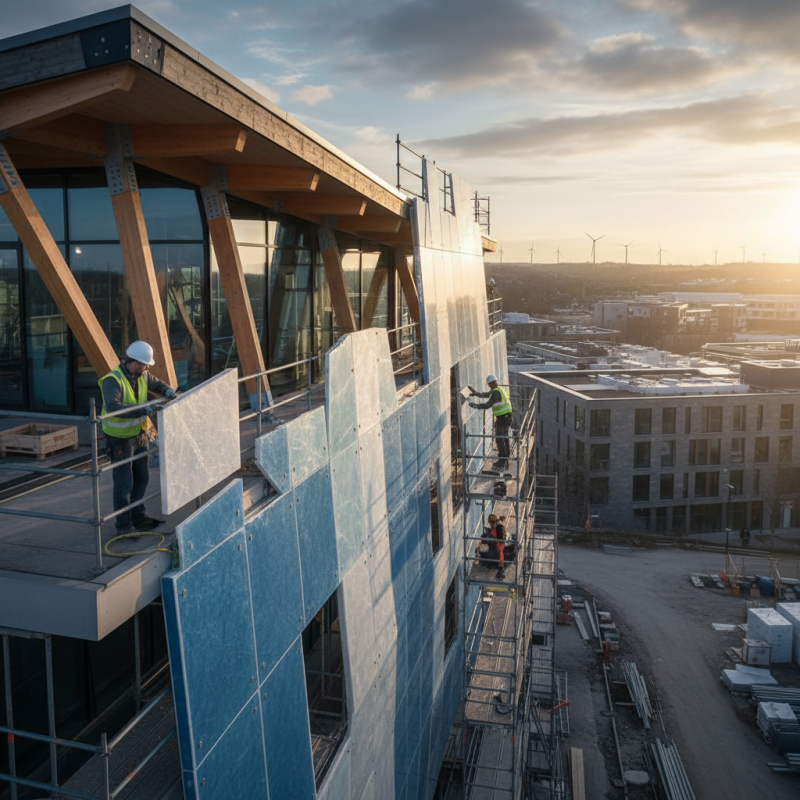
AEROGEL insulation panels are increasingly favored for modern buildings due to their unique properties. These lightweight panels offer outstanding thermal performance, significantly reducing heat transfer. In cold climates, they keep buildings warm, while in hot areas, they ensure cooling efficiency. This dual capacity makes them versatile for year-round comfort.
The installation process of AEROGEL panels can be complex. Proper alignment and sealing are crucial to maximize their effectiveness. While they provide excellent insulation, some users report issues with managing moisture barriers. Nevertheless, with careful planning and skilled installation, these barriers can be effectively addressed. The energy savings gained often justify the initial learning curve.
Beyond their insulating capabilities, AEROGEL panels are environmentally friendly. They require less energy for heating and cooling, which reduces the carbon footprint. This sustainability aspect is important to many builders today. Yet, there are concerns about affordability and accessibility in some regions. Balancing costs with the long-term benefits can be challenging but worth exploring.
Comparative Analysis: AEROGEL vs. Traditional Insulation Materials
AEROGEL insulation panels stand out when compared to traditional materials. These panels are exceptionally lightweight yet provide superior thermal insulation. Research indicates that AEROGEL can achieve thermal conductivities as low as 0.013 W/m·K. In contrast, fiberglass insulation has thermal conductivities around 0.040 W/m·K. The efficiency of AEROGEL means lower energy bills and a reduced carbon footprint for buildings.
However, choosing AEROGEL does not come without challenges. The cost is significantly higher than that of traditional materials. It may deter some builders on a tight budget. Installation can also pose difficulties due to the delicate nature of AEROGEL. Proper handling and installation techniques are crucial for maximizing performance.
Tips: Always consult with an insulation expert before making a decision. Understand the long-term cost benefits versus initial expenses. Consider local climate conditions; AEROGEL excels in extreme conditions, showcasing its adaptability. It's vital to weigh these factors to make an informed decision.
Applications of AEROGEL Insulation in Residential and Commercial Projects
AEROGEL insulation panels are gaining traction in both residential and commercial construction. They offer unmatched thermal performance, making them ideal for energy-efficient buildings. According to a study by the U.S. Department of Energy, AEROGEL can provide R-values as high as 10 per inch. This superior insulation can significantly reduce energy costs over time.
In residential applications, AEROGEL can enhance energy performance in walls, roofs, and floors. Homeowners benefit from reduced heating and cooling bills. In commercial settings, its lightweight nature offers design flexibility without compromising structural integrity. Many businesses are now prioritizing sustainable solutions. AEROGEL fits perfectly into this trend, contributing to LEED certifications.
Tip: When considering insulation options, analyze long-term savings versus initial costs. AEROGEL might have a higher upfront expense, but its durability and efficiency can lead to greater savings.
Despite its benefits, AEROGEL isn't a one-size-fits-all solution. Some contractors might face challenges during installation, especially in retrofitting projects. Proper training and understanding of the material's properties are essential for success. Always consult with experts to ensure the right fit for your project.
Understanding the Environmental Impact of AEROGEL Insulation
AEROGEL insulation panels stand out in terms of environmental impact. Their lightweight nature helps reduce transportation emissions, as reported by the U.S. Department of Energy. These panels are composed primarily of silica, a naturally abundant material, meaning their extraction has a relatively low environmental footprint.
In addition, AEROGEL insulation shows a remarkable thermal resistance. Studies estimate that it can achieve an R-value of 10 per inch. This high efficiency means less energy is needed for heating and cooling buildings, which significantly lowers greenhouse gas emissions over time. According to the Environmental Protection Agency, buildings account for around 40% of the total energy consumption in the U.S. AEROGEL panels contribute positively by reducing this dependency.
There are concerns as well, particularly around production. The process can involve energy-intensive methods, which may offset some benefits. Continued research is crucial to improve manufacturing efficiencies and reduce carbon footprints further. While AEROGEL offers impressive potential for insulation, ongoing improvements are necessary to ensure it remains a truly sustainable option in the long run.
Environmental Impact of AEROGEL Insulation Panels
Cost Considerations and Long-Term Savings with AEROGEL Solutions
When considering insulation solutions, AEROGEL panels stand out for their unique properties. They offer superior thermal performance, which can significantly reduce heating and cooling costs. In many cases, buildings insulated with these panels require less energy to maintain comfortable temperatures. This reduction can lead to substantial savings on utility bills over time.
However, initial costs can be higher than traditional materials. This upfront investment may raise concerns for budget-conscious builders and homeowners. It’s essential to evaluate long-term performance against initial expenses. While some may hesitate due to high purchase costs, the efficiency dividend can outweigh the initial outlay. The longer lifespan of AEROGEL solutions also contributes to their value.
Choosing AEROGEL insulation means considering your specific building needs. These panels can be a game-changer in energy efficiency. If you reflect on your options, AEROGEL provides an intriguing balance of cost and benefit. Investing in this technology may require a shift in mindset but can offer significant payoffs in the long run.
Why Choose AEROGEL Insulation Panels for Your Building Needs?
| Dimension | AEROGEL Insulation | Traditional Insulation |
| R-Value (per inch) | 10-30 | 3-5 |
| Weight (per panel) | 0.5-2 lbs | 10-20 lbs |
| Thickness (standard options) | 0.5-2 inches | 3-12 inches |
| Cost (per square foot) | $4-$10 | $0.50-$3 |
| Estimated Lifespan | 50+ years | 20-30 years |
| Energy Savings (per year) | $200-$500 | $50-$150 |