Best Sliding Window Solutions for Global Buyers Seeking Quality
The global demand for quality Sliding Windows is on the rise. Industry expert Jonathan Wells states, “A well-constructed Sliding Window can enhance both aesthetics and functionality.” Buyers are increasingly searching for high-quality solutions that meet their diverse needs. Understanding this market is essential.
Quality Sliding Windows offer various benefits. They provide excellent insulation, noise reduction, and ease of use. However, with numerous options available, choosing the right one can be overwhelming. Buyers may feel lost in a sea of choices. It is crucial to research and identify trustworthy suppliers.
The landscape of the Sliding Window industry continues to evolve. Innovative designs and materials surface regularly. Yet, not all products live up to their claims. Buyers must remain cautious and prioritize durability and performance. Investing in quality now can save costs later.
Best Sliding Window Solutions: Overview of Features and Benefits
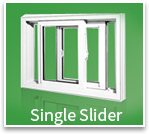
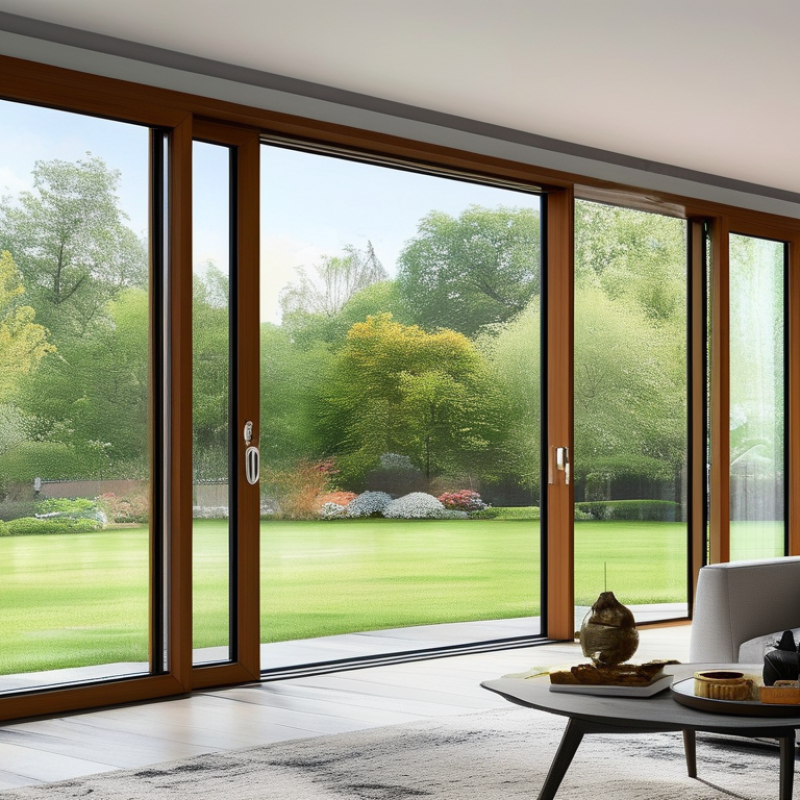
Sliding windows are gaining popularity among homeowners and businesses alike. They offer a balance of aesthetic appeal and functionality. These windows are designed to slide open horizontally, which makes them an ideal choice for spaces with limited room. Their ease of use adds to their appeal, allowing for quick ventilation.
When considering the features of sliding windows, energy efficiency stands out. Quality sliding windows can significantly reduce heating and cooling costs. Many modern designs include insulated glass, which minimizes energy loss. This feature is vital for those aiming to build sustainable living environments. Additionally, sliding windows come with a wide range of customizable options. Buyers can choose different frame materials, colors, and finishes to match their architecture.
However, not all sliding windows are created equal. Buyers sometimes overlook the importance of installation. Poorly installed windows can lead to air leaks and water intrusion. Ensuring a proper fit is essential. It’s also worth considering the maintenance needs. Some sliding windows require more upkeep than others, which can be a burden for some owners. It’s important to weigh initial cost against long-term performance.
Types of Sliding Windows Available for Global Markets
Sliding windows are popular for their convenience and versatility. They allow for easy operation and great functionality. Various types cater to different global markets, each offering unique features.
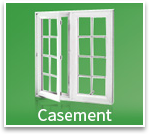
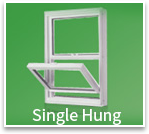
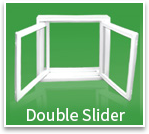
The most common types include double-hung, single-hung, and casement sliding windows. Single-hung windows have a fixed top sash. They provide energy efficiency and simple maintenance. Double-hung models offer two movable sashes, enhancing ventilation options. Casement windows open outward, giving a modern touch and unobstructed views.
Global buyers often seek windows tailored to climate and design preferences. For example, in warmer areas, windows that maximize airflow are vital. In colder regions, energy-efficient models can reduce heating costs. Buyers should consider local industry standards. However, not all manufacturers meet these standards consistently. It's crucial to research suppliers thoroughly to ensure quality and durability.
Key Factors to Consider When Choosing Sliding Windows
When selecting sliding windows, several key factors warrant careful consideration. Material choice impacts durability and aesthetic appeal. Common options include aluminum, vinyl, and wood. Aluminum offers strength but may lack insulation, while vinyl typically provides better thermal performance. Wood presents a classic look but requires maintenance.
Tips: Always check the weather resistance of the materials. Different climates demand different protective features.
Another critical aspect is the window's energy efficiency. Look for frames and glass that meet energy efficiency standards. Low-E glass can reduce heating costs and improve comfort. Consider how much sunlight the windows will receive, as this influences heat retention.
Tips: Consult local experts about regional energy codes. Their insights can guide your choices effectively.
Safety features should also be a priority. Assess locks, latches, and ease of operation. Windows located on higher floors need different security measures compared to ground-level installations. Sometimes, perceived security can be misleading.
Tips: Test window operation before purchase. Smooth movement ensures security and ease of use.
Top Manufacturers and Brands for High-Quality Sliding Windows
When seeking high-quality sliding windows, it's crucial to consider reputable manufacturers and brands. These experts understand the demands of global buyers. They prioritize durability, aesthetics, and energy efficiency. Quality sliding windows enhance the appeal of any space while providing essential functionality.
Tips: Look for certifications. These validate the performance and safety of windows. Additionally, consider energy-efficient options. They save costs in the long run. Quality windows can lower energy bills and improve comfort.
Fashion and function should coexist. Assess materials and insulation features. Poor insulation can lead to drafts and higher energy costs. Some brands may offer innovative designs, but reliability is essential. Balancing style with durability should be a top priority during selection.
Comparative Analysis of Cost and Value in Sliding Window Solutions
When considering sliding window solutions, it's essential to weigh costs against value. Different manufacturers offer varying price points that reflect their construction quality and innovation. Buyers must analyze how materials and design impact long-term durability. A low-priced option may save money upfront but could incur higher maintenance costs later.
Quality sliding windows often feature robust materials that withstand weather extremes. They also provide better insulation, enhancing energy efficiency. However, it's crucial to assess whether high-end features justify the price. Are triple-pane options beneficial in milder climates? Or would standard double-pane solutions suffice? This analysis hinges on individual needs and local conditions.
Buyers should also compare installation costs. Professionals may charge varying rates based on their expertise. A cheaper installation might save money, but could lead to misalignment issues. These errors may affect window performance. It's vital to gather multiple quotes and references before deciding. Reflecting on these factors ensures a more informed and satisfying purchase.
Best Sliding Window Solutions for Global Buyers Seeking Quality
| Supplier | Material Type | Cost per Unit ($) | Value Rating (1-5) | Warranty Period (Years) |
| Supplier A | Aluminum | 250 | 4 | 10 |
| Supplier B | Vinyl | 200 | 5 | 15 |
| Supplier C | Wood | 300 | 3 | 5 |
| Supplier D | Fiberglass | 275 | 4 | 12 |
| Supplier E | Steel | 350 | 3 | 8 |