7 Best Prefab Houses for Global Buyers in 2026
A Prefab House can arrive as neatly packed wall panels, a finished bathroom pod, or a nearly complete module. For global buyers in 2026, the best choice is not simply the one with the sleekest render. It must fit the site, climate, delivery route, and intended use. Small details matter: window placement, roof pitch, insulation depth, and where a truck can unload.
Architectural pioneer Le Corbusier wrote, “The house is a machine for living in.” That idea suits factory-built homes, where design and production meet. But a machine still needs careful setup. A model made for mild weather may struggle with coastal winds or sharp temperature swings. And a low advertised price may not include transport, foundations, or site work.
This guide compares seven Prefab House options for buyers across different markets. It looks at design flexibility, construction systems, energy features, delivery considerations, and the questions worth asking suppliers. Prefab is not automatically cheaper. Nor does a polished brochure prove that a home is ready for your plot. Ask for clear specifications, realistic delivery details, and written warranty terms. Some choices may still feel uncertain—that is a reason to check, not guess. The right shortlist starts with your actual site and budget, not a showroom image.
What Prefabricated Houses Are and How They Are Built
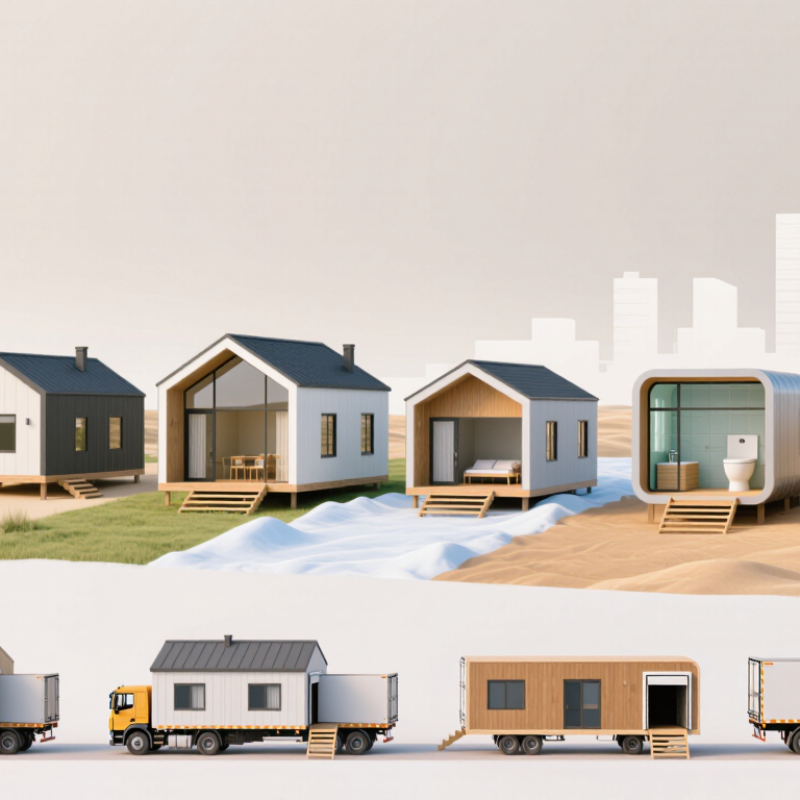
A prefabricated house is built in sections or panels at a factory, then transported to its building site. Some arrive as flat wall and roof panels; others come as larger, partly finished modules. The term does not mean every part is factory-made. Foundations, utility connections, and finishing work usually happen on site. Not quite plug-and-play.
The process starts with a design suited to the site, climate, and local requirements. Factory teams cut and assemble components in controlled conditions, where measurements and material use can be checked. Windows, insulation, and wiring may be installed before delivery, depending on the system. Meanwhile, the site is prepared with access, drainage, and a suitable foundation. When sections arrive, a crane may lift them into position. Crews then join the structure, seal connections, and complete services and interior details. A neat brochure can make this sound simpler than it is.
For global buyers, the important details vary by location. Roof loads, insulation levels, wind exposure, and seismic conditions may affect the design. Confirm that drawings and materials fit the intended site, and ask who handles engineering, transport, installation, and inspections. Factory production can reduce weather delays, but transport access and foundation work still matter. One overlooked connection can cause trouble later. Even a carefully made home needs competent site work and clear quality checks.
Key Criteria for Comparing Prefab Homes Across Global Markets
A useful comparison starts with the site, not the floor plan. A prefab home suited to a mild coast may need different insulation, roof strength, and ventilation in a snowy or humid region. Check the stated wind, snow, and temperature ratings, then compare them with local design requirements. Ask what the quoted wall and roof assemblies actually include. Names like “four-season” can hide big differences.
Price the whole project, not just the factory package. Freight, unloading, foundations, utility connections, and local assembly can change the budget sharply. Confirm what arrives in the shipment, how components are protected from rain, and who handles missing or damaged parts. Compare energy performance using the same assumptions, such as climate and household size. A lower purchase price may mean higher heating costs. I have seen specifications look clear until installation details were missing; that gap deserves attention.
Tips: Request drawings, material specifications, and a written scope of supply. Ask for references from projects in a similar climate. Check lead times and after-sales support before paying a deposit. Keep a contingency for site work. Not every comparison is tidy.
Seven Standout Prefab Houses for Buyers in 2026
Seven prefab house designs stand out for buyers in 2026, but the right choice depends on land, climate, and daily routines. Modular family homes offer separate bedrooms and open kitchens, with factory-built sections assembled on site. Panelized homes arrive as wall and roof sections, often making transport simpler when access roads are narrow. SIP homes use insulated structural panels; buyers should check ventilation plans and local energy requirements.
Timber-frame cabins suit rural plots and can create generous living spaces beneath visible beams. Compact tiny homes make efficient use of a small footprint, though storage and winter comfort deserve close attention. Prefabricated accessory dwellings can add a guest suite or workspace, if local site rules allow. Container-style homes are another option, but insulation, condensation control, and careful detailing matter more than the industrial look. Details matter.
Before choosing, compare what each price includes: foundations, delivery, utility connections, and interior finishes may be treated differently. Ask for specifications, installation guidance, and examples built in climates similar to yours. A glossy rendering tells little about wind, rain, or a muddy access track. Measure furniture, too; a clever plan can still feel oddly cramped. I would not assume the fastest build is always the easiest. Shipping, site preparation, and approvals can change the timeline, so confirm these details with qualified local professionals.
How Climate, Land, and Local Codes Affect Your Choice
A prefab house that performs well in one climate may struggle in another. The World Meteorological Organization’s State of the Global Climate 2023 estimated that average global temperatures reached 1.45°C above pre-industrial levels. That figure is not a local design specification, but it underlines why buyers should check heat, rainfall, wind, snow, and wildfire exposure at the building site. In hot regions, shading and cross-ventilation matter. In cold or wet areas, insulation, roof drainage, and moisture control deserve close attention. Small details matter.
Land can change the shortlist. A steep plot may need more foundation work, while narrow roads can limit delivery and crane access. Check soil conditions, drainage, utility connections, and local setbacks before choosing a floor plan. These costs are easy to underestimate. Even careful estimates can miss something.
Local building codes also shape what can be installed. Ask the relevant local authority or a qualified design professional about structural loads, energy requirements, fire safety, and permits before ordering. UNEP and GlobalABC’s 2023 Global Status Report found that buildings and construction accounted for 37% of global energy- and process-related CO2 emissions in 2022. That makes insulation and efficient heating worth comparing, but the best solution depends on local conditions. A factory-built home still needs to meet the rules where it will stand.
Costs, Shipping, Installation, and Checks Before Purchase
Compare delivered prices, not factory quotes. A low shell price may exclude foundations, insulation upgrades, local permits, crane hire, utility connections, and inland transport. Ask for a line-by-line estimate and a written list of exclusions. McKinsey’s 2019 modular-construction analysis found project schedules could fall by 20–50% in suitable cases. That potential depends on design, site readiness, and coordination. Not a guarantee.
Shipping needs its own calculation. Confirm the packed module dimensions, gross weight, loading method, port charges, insurance, and final-mile access before ordering. UNCTAD’s Review of Maritime Transport 2024 reported global maritime trade grew 2.4% in 2023. Trade growth alone cannot predict your freight bill, but routes and capacity can change. Request a quote with a validity period, plus a clear plan for delays or damage. A narrow rural road or low bridge can turn a cheap shipment into an expensive problem.
Installation begins before delivery. Check soil conditions, drainage, foundation drawings, wind and snow assumptions, and who signs off each stage. Ask for assembly instructions, material specifications, warranty terms, and replacement-part availability. Have a qualified local professional review the drawings before you pay a deposit. I would not rely on attractive renderings; they rarely show a muddy site, a waiting crane, or a missed connection. Keep contingency funds. Surprises happen.