What is the Best Material for Home Entry Doors and Why It Matters
When it comes to enhancing the curb appeal and security of a home, the choice of material for home entry doors plays a crucial role. According to a recent report by the National Association of Realtors, about 74% of homeowners believe that the entry door is a key focal point of their home’s exterior, underscoring its importance in architectural aesthetics. With options ranging from wood and fiberglass to steel, each material presents distinct advantages in terms of durability, maintenance, and energy efficiency.
Expert insights further illuminate the significance of this choice. John Smith, a renowned architect and home design specialist, emphasizes, “The entry door not only serves as the gateway to a home but also reflects the homeowner’s style and commitment to security.” His statement aligns with trends in the home improvement industry, where homeowners are increasingly prioritizing energy-efficient solutions without compromising on design. Understanding the various materials available for home entry doors is essential for homeowners aiming to blend beauty with functionality and longevity, ultimately contributing to the overall value of their property.

Types of Materials Used in Home Entry Doors
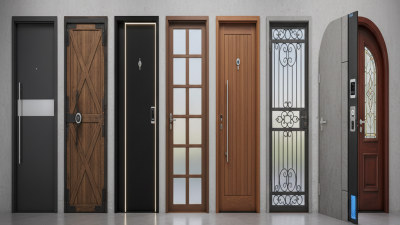
When it comes to home entry doors, the choice of material plays a crucial role in determining not only the door's appearance but also its durability, security, and energy efficiency. The most common materials used for home entry doors include wood, fiberglass, steel, and aluminum, each offering distinct advantages and aesthetics.
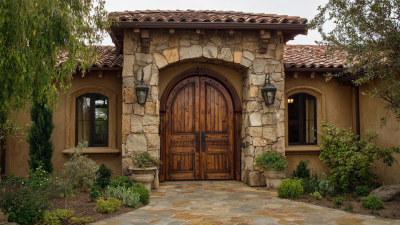
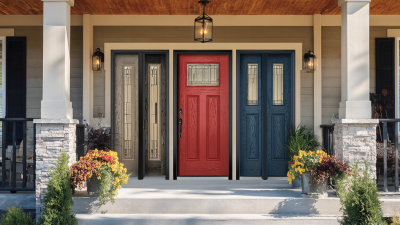
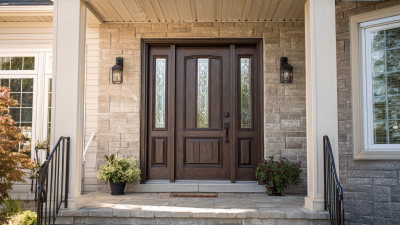
Wood doors are a classic choice that provides warmth and character to any home. They can be easily customized with various finishes and styles, but they require regular maintenance to prevent warping and damage from the elements. Fiberglass doors have gained popularity due to their resistance to dents, rust, and warping, making them a practical choice for homeowners looking for low-maintenance options. These doors can also mimic the appearance of wood while providing better insulation.
Steel doors are known for their strength and security, making them ideal for homeowners prioritizing safety. They are typically coated with a protective layer to prevent rusting, but may not offer the same level of insulation as other materials. Lastly, aluminum doors are lightweight and resistant to corrosion, offering a modern look with minimal upkeep. However, they may lack the insulating properties that some homeowners desire. Each type of material has its unique benefits, making it essential to consider personal needs and preferences when selecting the best entry door for one's home.
Material Comparison for Home Entry Doors
Advantages and Disadvantages of Each Material
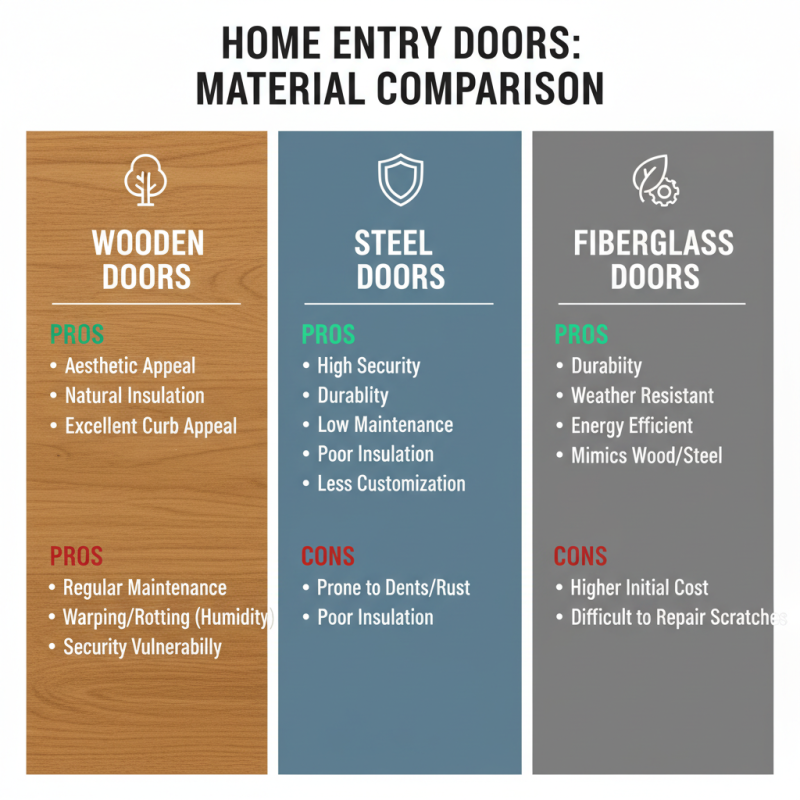
When choosing the best material for home entry doors, it’s important to weigh the advantages and disadvantages of each option. Wooden doors are renowned for their aesthetic appeal and natural insulation properties. They provide excellent curb appeal and can be customized easily to match home decor. However, they require regular maintenance to prevent issues like warping or rotting, especially in areas with high humidity or fluctuating temperatures. Additionally, wooden doors can be more vulnerable to security threats if not reinforced properly.
On the other hand, fiberglass doors offer durability and low maintenance, making them an increasingly popular choice among homeowners. They resist dents, scratches, and fading, and can mimic the look of wood while providing superior energy efficiency. However, some may find fiberglass doors less visually appealing than authentic wood, and their initial cost can be higher. Steel doors, known for their strength and security features, are another option, providing excellent resistance against break-ins. The downside is that they can be prone to rust if not properly coated and can conduct heat and cold, potentially affecting energy efficiency. Each material has its own unique characteristics, and the choice ultimately depends on the homeowner’s priorities regarding aesthetics, maintenance, durability, and security.
Factors Influencing Material Choice for Entry Doors
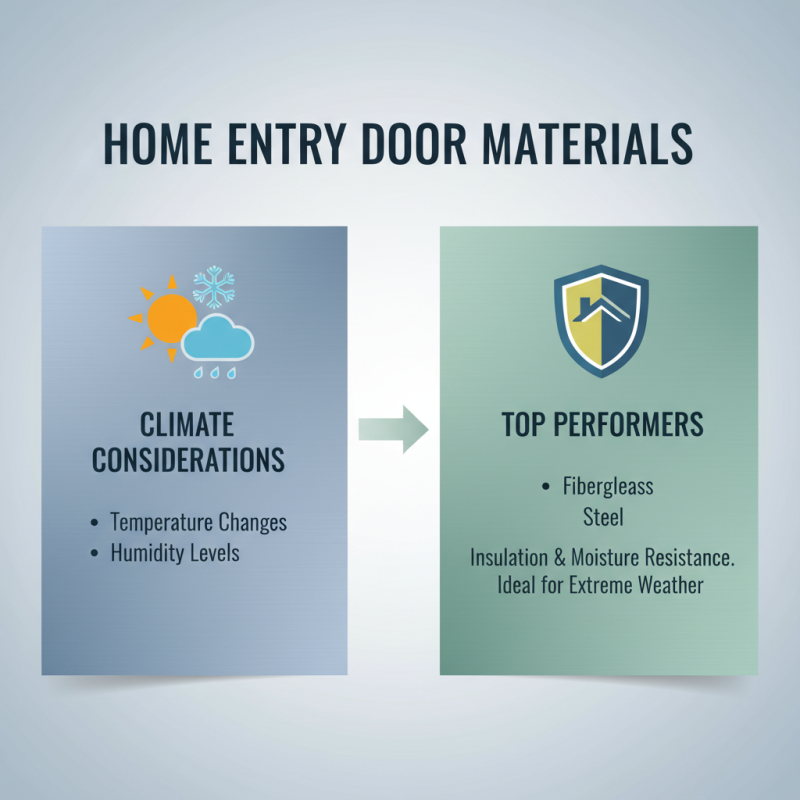
When selecting the best material for home entry doors, several key factors influence the decision-making process. One of the most crucial considerations is the climate of the area where the home is located. Different materials react distinctly to temperature changes and humidity levels. For example, fiberglass and steel doors perform admirably in varying weather conditions, providing insulation and resistance against moisture, which is vital in regions with extreme weather patterns.
Another significant factor is security. Homeowners often prioritize materials that offer robust protection against break-ins. Steel doors are favored for their strength and durability, while solid wood doors also provide a sense of security and are aesthetically pleasing. Additionally, the maintenance requirements of different materials can influence choice; for instance, wooden doors require regular upkeep to prevent warping and weather damage, whereas fiberglass and steel options offer low-maintenance benefits without sacrificing appearance. Ultimately, understanding these factors helps homeowners make informed choices that align with their security, aesthetic, and maintenance needs.
Impact of Material on Security and Energy Efficiency
When selecting a material for home entry doors, two critical aspects to consider are security and energy efficiency. The door's material directly affects its ability to withstand forced entry. For instance, solid wood and steel are known for their robust structural integrity, offering better protection against break-ins compared to hollow-core doors or lightweight materials. Steel doors, in particular, provide an exceptional barrier due to their strength and durability, making them a popular choice for homeowners looking to enhance security.
In addition to security, the energy efficiency of a door is greatly influenced by its material. Entry doors made from insulated fiberglass or high-quality wood can minimize heat transfer, helping to maintain a stable indoor temperature and reduce heating and cooling costs. Conversely, non-insulated doors may allow drafts, leading to energy loss and increased utility bills. Selecting a material that offers both security and energy efficiency is essential for ensuring the comfort of the home while also protecting against potential threats.
What is the Best Material for Home Entry Doors and Why It Matters - Impact of Material on Security and Energy Efficiency
| Door Material |
Security Rating |
Energy Efficiency Rating |
Durability |
Maintenance Level |
| Wood |
Moderate |
Good |
High |
High |
| Steel |
High |
Fair |
Very High |
Low |
| Fiberglass |
High |
Excellent |
Very High |
Low |
| Aluminum |
Moderate |
Good |
High |
Low |
| Vinyl |
Moderate |
Good |
Moderate |
Low |
Maintenance Considerations for Different Door Materials
When choosing a home entry door, maintenance considerations play a crucial role depending on the material. For instance, wooden doors exude warmth and aesthetic appeal but require regular upkeep to prevent warping and decay. Homeowners should invest in high-quality sealants and paint to protect against moisture and UV damage. Regular inspection and touch-ups can extend the life of wooden doors significantly, ensuring they remain a welcoming focal point of your home.
In contrast, fiberglass and steel doors are renowned for their durability and low maintenance requirements. They do not warp or crack like wood and are less susceptible to the elements. For these materials, a simple periodic cleaning with soap and water can keep them looking fresh. It's important to check for dents or scratches in steel doors and use touch-up paint as necessary to maintain their appearance.
**Tips:** To keep your entry door looking its best, consider applying a protective sealant annually for wooden doors, and routinely inspect your fiberglass and steel doors for any signs of wear. Additionally, don’t forget to lubricate hinges and locks to ensure smooth operation.