10 Best House Doors to Enhance Your Home Aesthetic?
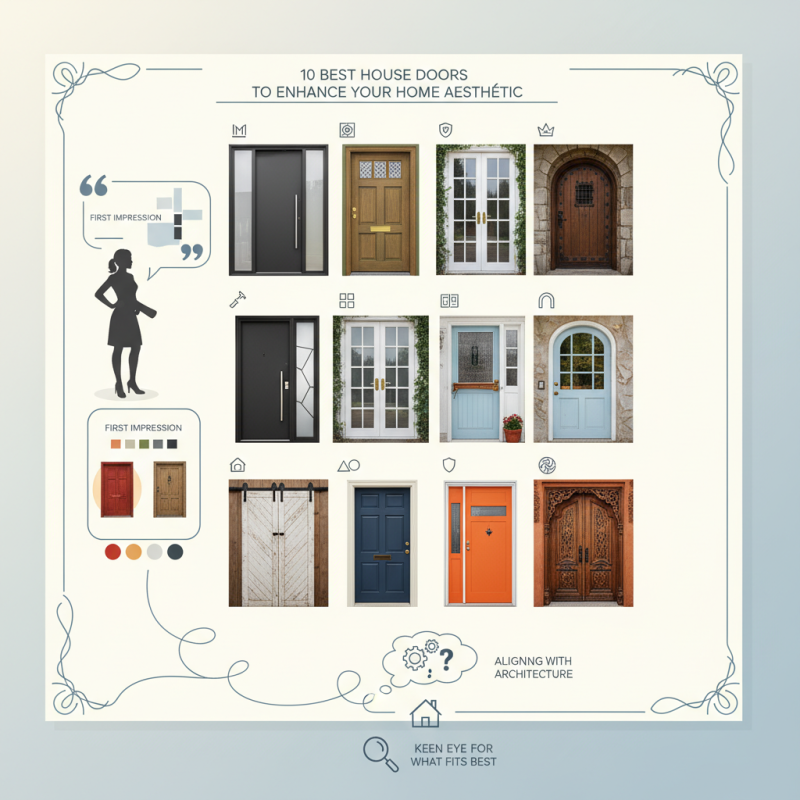
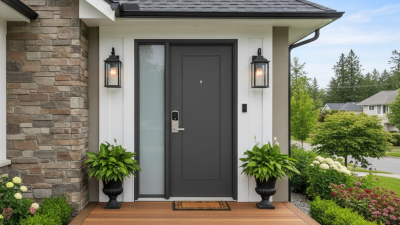
When it comes to home aesthetics, house doors play a crucial role. Renowned architect Sarah Johnson emphasizes, "A door is the first impression of your home." A well-chosen door can enhance curb appeal and reflect personal style. Its design and color should align with the overall theme of your property.
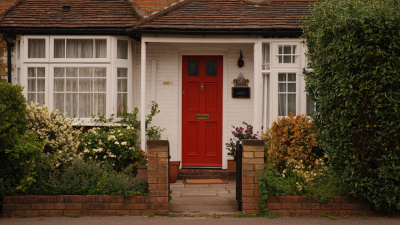
Imagine walking up to a house with a bold red door. It invites curiosity and warmth. In contrast, a plain wooden door may evoke stability, yet it lacks personality. Choosing the right house door can make or break your home's exterior.
However, this decision often comes with challenges. Not every design suits every home. You might find yourself torn between styles and materials. Ensure your choice complements your architecture and neighborhood. Ultimately, selecting the perfect house doors requires thoughtful consideration and a keen eye for what fits best.
Top Materials for Stylish House Doors: A Comprehensive Overview
Choosing the right material for your house door is crucial for aesthetics and functionality. Common materials include wood, fiberglass, steel, and glass. Each has unique benefits and characteristics. Wood doors offer a classic look. They can be customized easily. However, they require regular maintenance. Exposure to the elements can damage them over time.
Fiberglass doors are durable and energy-efficient. They mimic wood but resist warping and rotting. This material is great for modern homes. Steel doors provide strength and security. They can enhance the contemporary design of your home. But, they may dent and are less energy-efficient compared to fiberglass.
When selecting a door, consider your climate. Extreme temperatures can affect material durability. Think about your home's architectural style as well. A mismatched door can detract from its overall beauty. Also, reflect on your lifestyle needs. Do you prefer low-maintenance options? Or, you enjoy traditional wood aesthetics?
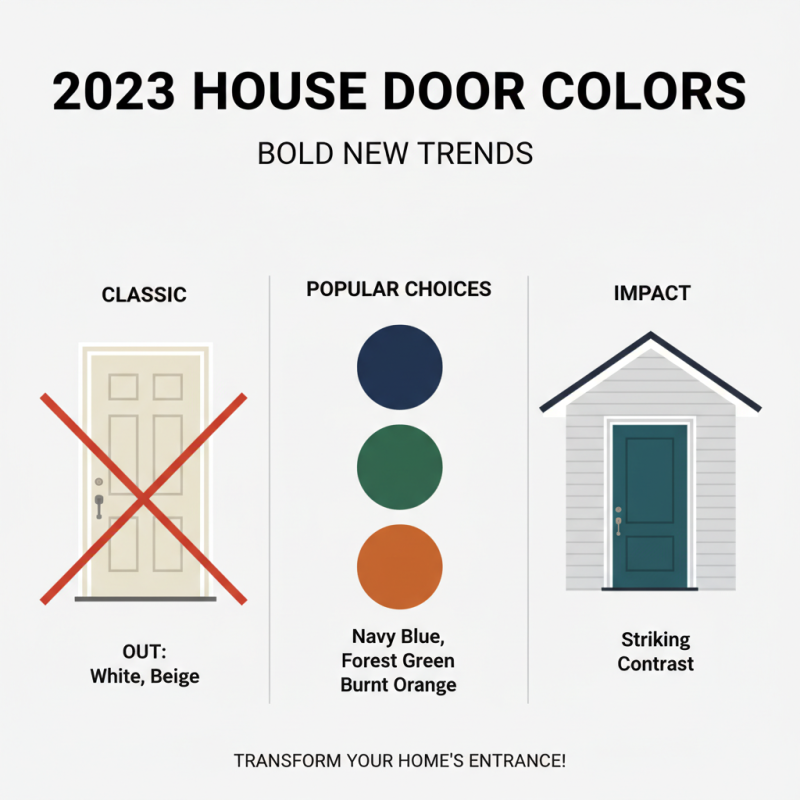
Tips: Always examine door ratings for energy efficiency. This can save on energy costs. Choose colors that complement your home’s exterior. A bold color can make a stunning statement.
Popular Design Styles for House Doors to Elevate Curb Appeal
Choosing the right door can significantly enhance your home's curb appeal. According to industry reports, a well-designed front door can increase a home’s value by up to 4%. This statistic highlights the importance of selecting a door that not only suits your style but also complements your home’s architecture.
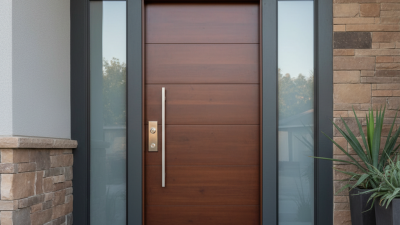
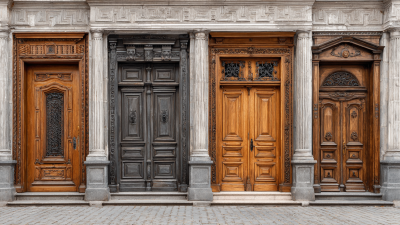
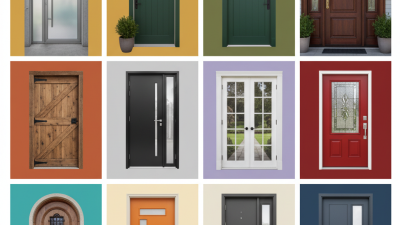
Popular design styles for house doors include modern, traditional, and farmhouse. Modern doors often feature minimalistic designs with sleek lines and bold colors. They can make a striking statement while maintaining sophistication. On the other hand, traditional doors, often made of wood, exude warmth and classic charm. Farmhouse doors bring rustic elegance, utilizing reclaimed wood or bold colors that attract attention.
Despite these appealing options, many homeowners overlook the door’s impact. Some may choose a door that clashes with their home's exterior. This inconsistency can detract from the overall aesthetic and reduce value. Homeowners often forget that even the smallest details matter. A well-chosen door not only stands out but also tells a story about the home’s personality and style.
10 Best House Doors to Enhance Your Home Aesthetic
Energy Efficiency Features to Look for in Modern House Doors
When choosing modern house doors, energy efficiency is crucial. Look for doors with solid insulation. Good insulation keeps your home warm in winter and cool in summer. This can significantly reduce heating and cooling bills.
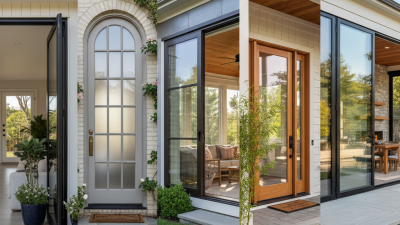
Consider doors with low-E glass. This special glass reduces heat transfer. It also blocks harmful UV rays. You’ll protect your furniture and increase comfort. Check for double or triple glazing, which adds layers of insulation.
Tips: Always inspect the door’s weatherstripping. Quality weatherstripping prevents drafts and moisture. Pay attention to the door frame as well. A robust frame can enhance insulation. You might want to think about the overall design too. An attractive door can boost curb appeal while improving energy efficiency.
Sometimes, homeowners prioritize aesthetics over functionality. This can lead to higher energy costs. Balancing style and efficiency is key. Even slight adjustments in your door choice may save money in the long run.
Maintenance Tips for Keeping Your House Doors Looking New
House doors are an essential part of your home's aesthetic and functionality. Over time, they may show signs of wear due to weather, usage, or even neglect. According to a report by the National Association of Realtors, improving curb appeal can increase home value by up to 10%. Keeping your doors in top shape is key to enhancing that appeal.
Regular maintenance is crucial. A simple cleaning routine can work wonders. Use a mild soap solution and a soft cloth. This can remove dirt and grime. Experts suggest that homeowners should inspect doors every season. Look for scratches, chips, or peeling paint. Repairing these imperfections early can prevent bigger problems later.
Don't forget about the hardware. Hinges and locks need lubrication too. A few drops of oil can keep things running smoothly. If a door begins to stick, this can cause frustration. It’s essential to address these issues promptly. Keeping a door looking new requires effort and awareness. Neglecting it can lead to costly repairs.