What are the Best Home Entry Doors for Your House?
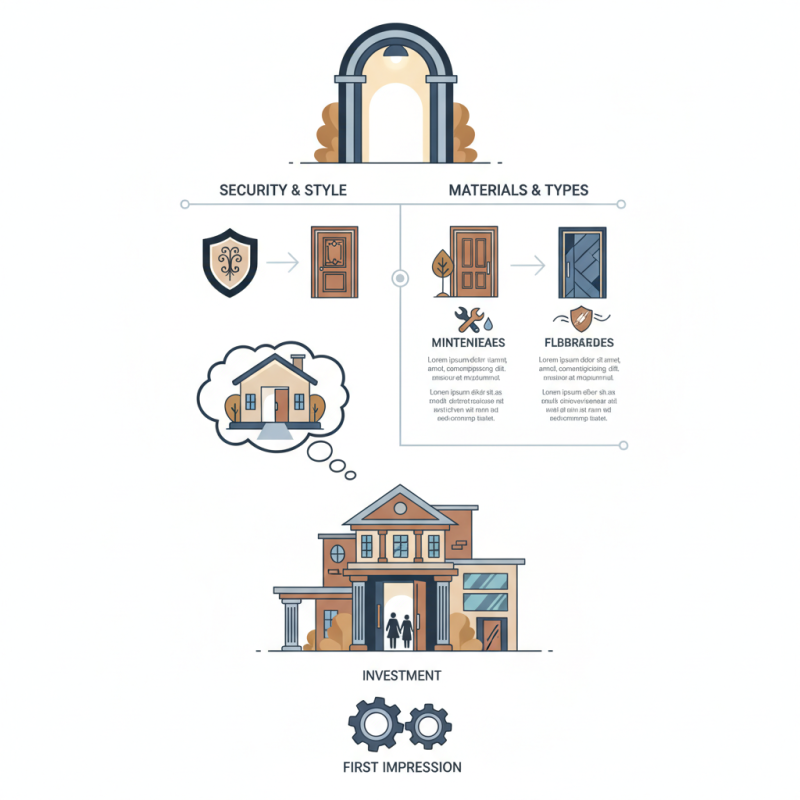
Choosing the right home entry doors is crucial for both security and style. Expert architect Sarah Thompson emphasizes, “The door is the first impression of your home.” This statement highlights the importance of selecting doors that reflect personal taste while ensuring safety.
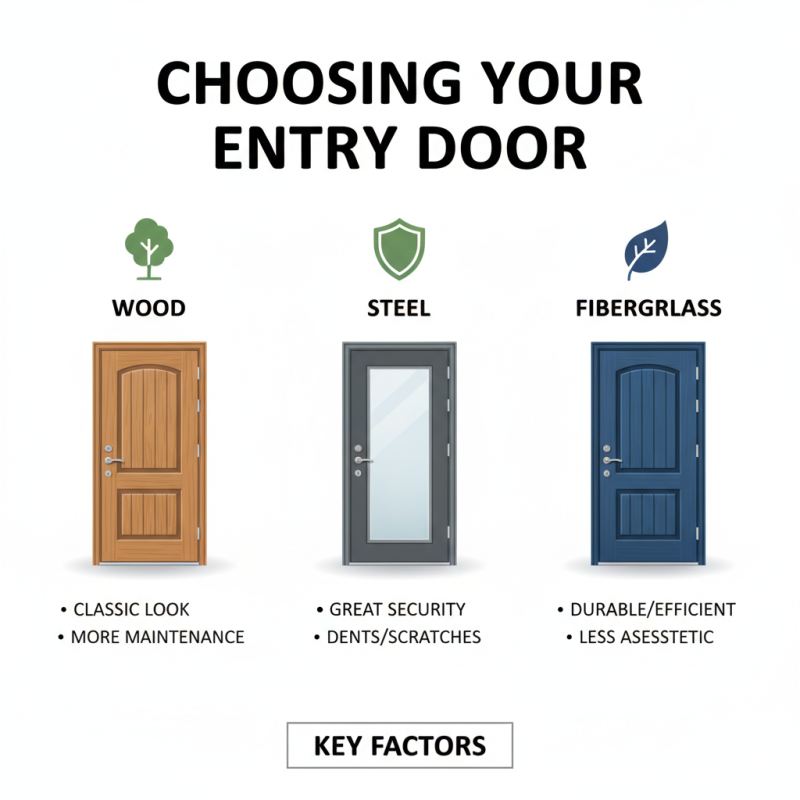
Home entry doors come in various styles and materials. You might prefer a classic wooden door or a modern fiberglass option. Each type has its own benefits and drawbacks. Wooden doors are beautiful but require regular maintenance. Fiberglass doors are durable but can lack the charm of natural wood.
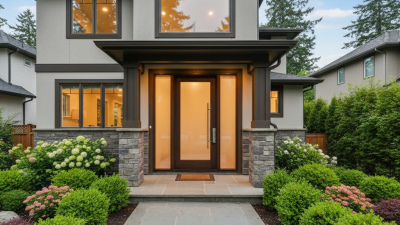
Think about your home’s architecture when choosing. A mismatched door can detract from the overall look. Reflect on what your guests will see first. They notice the door before anything else. Investing time in this decision pays off. The right door welcomes visitors and protects your home.
Types of Home Entry Doors: Materials and Styles Explained
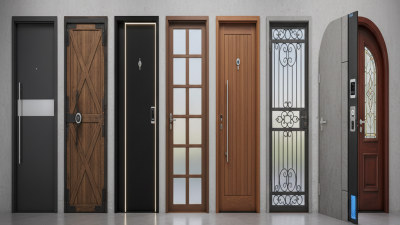
When choosing home entry doors, materials and styles play a crucial role. According to the 2022 Door Market Report, fiberglass doors have seen a rise in popularity due to their durability and energy efficiency. They don't warp or crack, making them a practical choice for various climates. On the flip side, wooden doors offer timeless beauty. However, they require regular maintenance to prevent rot and fading.
Steel doors are another option, providing excellent security. The National Association of Home Builders reports that almost 60% of homeowners prioritize safety features in their entry doors. Yet, they can get dented, leading to repair challenges. Vinyl doors are low-maintenance but might not offer the same level of durability. Homeowners should weigh aesthetics against long-term costs when deciding.
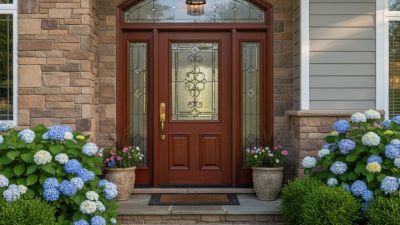
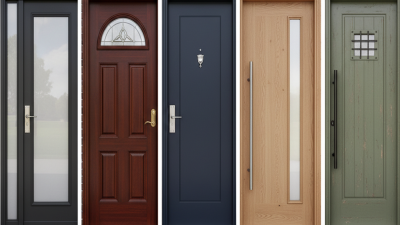
In terms of style, traditional and contemporary designs dominate the market. Craftsman and colonial styles appeal to many. However, modern designs can sometimes lack character. The choice of color and finish adds personality but can easily clash with the home’s exterior if not chosen carefully. Balancing style with function is key, yet many might overlook this aspect in their haste to renovate.
What are the Best Home Entry Doors for Your House? - Types of Home Entry Doors: Materials and Styles Explained
| Door Type |
Material |
Style |
Energy Efficiency |
Average Cost ($) |
| Traditional |
Wood |
Classic |
Moderate |
1000 - 3000 |
| Modern |
Fiberglass |
Sleek |
High |
1500 - 4000 |
| Rustic |
Steel |
Rustic |
Moderate |
1200 - 3500 |
| Craftsman |
Wood |
Craftsman |
Moderate |
1300 - 3000 |
| Contemporary |
Aluminum |
Minimalist |
High |
1800 - 5000 |
Factors to Consider When Choosing an Entry Door for Your Home
Choosing the right entry door for your home involves several important factors. First, consider the material. Wood offers a classic look but requires more maintenance. Steel doors provide great security, but they can show dents or scratches easily. Fiberglass is durable and energy-efficient, yet it may not have the same aesthetic appeal as wood.
Next, think about the door's design. Do you prefer a traditional style or something more modern? Glass panels can enhance natural light, but they may compromise privacy. Pay attention to the door's color and finish as well. A bold color can make a statement, but it may not suit all home styles.
Energy efficiency is another crucial aspect. Look for doors with good insulation ratings. This can save on energy bills and keep your home comfortable. Reflect on your local climate and how it affects your choices. In windy areas, opt for sturdier options to withstand harsh conditions. Each decision shapes your home's entry, so weigh your options carefully.
Energy Efficiency and Security Features of Entry Doors
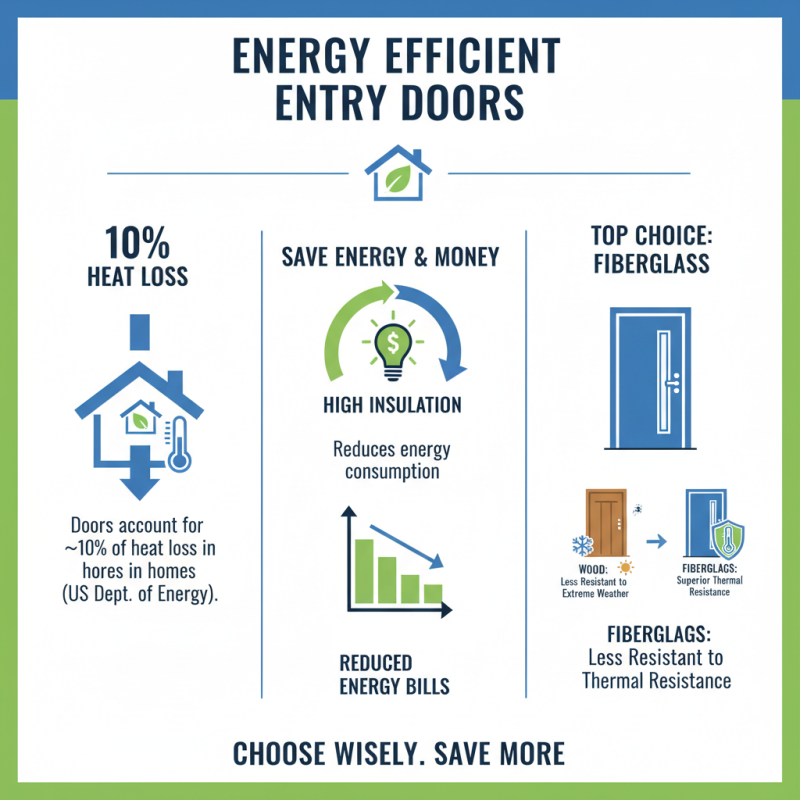
When choosing entry doors, energy efficiency is paramount. A study by the U.S. Department of Energy reveals that doors account for about 10% of heat loss in homes. Selecting doors with high insulation values can drastically reduce energy consumption. For instance, fiberglass options often provide superior thermal resistance. They can outperform traditional wood doors, especially in extreme weather scenarios.
Security features are equally crucial. The same reports indicate that homes with robust entry doors experience 60% fewer break-ins. Deadbolt locks and reinforced frames can enhance safety. Modern doors may also include smart technology, allowing homeowners to monitor entry points remotely. However, despite these advancements, it’s essential to remember that no door is entirely impervious to forced entry.
It’s worth considering that aesthetics should not compromise function. Sometimes, a beautiful door may lack the security features needed. Balance is vital, ensuring that your choice looks good but remains functional. Don’t overlook local climate conditions, as they can impact the longevity and performance of your door.
Top Brands and Models for Quality Home Entry Doors
When choosing entry doors for your home, quality matters. A survey by the American Home Improvement Association indicates that nearly 70% of home buyers consider door quality essential. This highlights the importance of investing in a solid entry door. Models made with fiberglass or steel are often recommended for their durability and energy efficiency. They not only provide security but also enhance the home's aesthetics.
Tip: Measure your doorway accurately before purchasing. Many homeowners overlook this step, resulting in poor-fitting doors that compromise security and insulation.
Opt for energy-efficient doors. Energy Star reports that high-performance entry doors can reduce energy costs by up to 20%. Look for options with good insulation ratings. This is vital in areas with extreme weather. Simple mistakes in door selection can lead to increased heating costs in winter and cooling costs in summer.
Tip: Test door samples for weight and sturdiness. Lightweight materials might be appealing, but they usually do not offer adequate security. Even small choices can make or break your home’s entryway. Keep in mind the long-term effects of your decision.
Maintenance Tips for Prolonging the Life of Your Entry Door
An entry door is the first line of defense for your home. Regular maintenance can prolong its lifespan significantly. Start with a simple inspection for cracks and chips in the paint or finish. These small issues can lead to more extensive damage if ignored. Even a tiny crack can trap moisture, which invites rot.
Cleaning your entry door regularly is crucial. Dust and dirt can accumulate quickly. Use a gentle detergent for washing it down. Ensure you remove any debris from the bottom of the door. Pay attention to the hinges and locks. Lubricating them can prevent rust and corrosion. Sometimes, I forget this step and it leads to squeaky hinges.
Sealing your door is just as important. Weatherstripping keeps drafts at bay and lowers energy costs. It’s an easy fix. If it becomes worn or damaged, replace it promptly. I often put this off, thinking it can wait. A small investment in maintenance now can save significant repair costs later. Simple actions like these can help your door withstand the elements better.
Best Home Entry Doors and Their Lifespan
This chart showcases the average lifespan of different types of entry doors commonly used in homes. Wood doors lead in longevity, whereas aluminum doors have the shortest lifespan. Regular maintenance can help prolong their life.