




Aluminum Composite Panels: Understanding 3–6 mm Thickness and 0.5 mm Skin Options
Choosing the best aluminum composite panel factory in China starts with understanding what thickness controls. Panel thickness commonly ranges from 3 to 6 mm, while the aluminum skin may measure 0.5 mm. A thicker panel is not automatically stronger. It can improve rigidity, but the core, alloy, coating, and bonding process matter just as much. For exterior façades, installers often compare bending resistance, flatness, screw holding, and cutting performance before approving production. These details are visible on site.
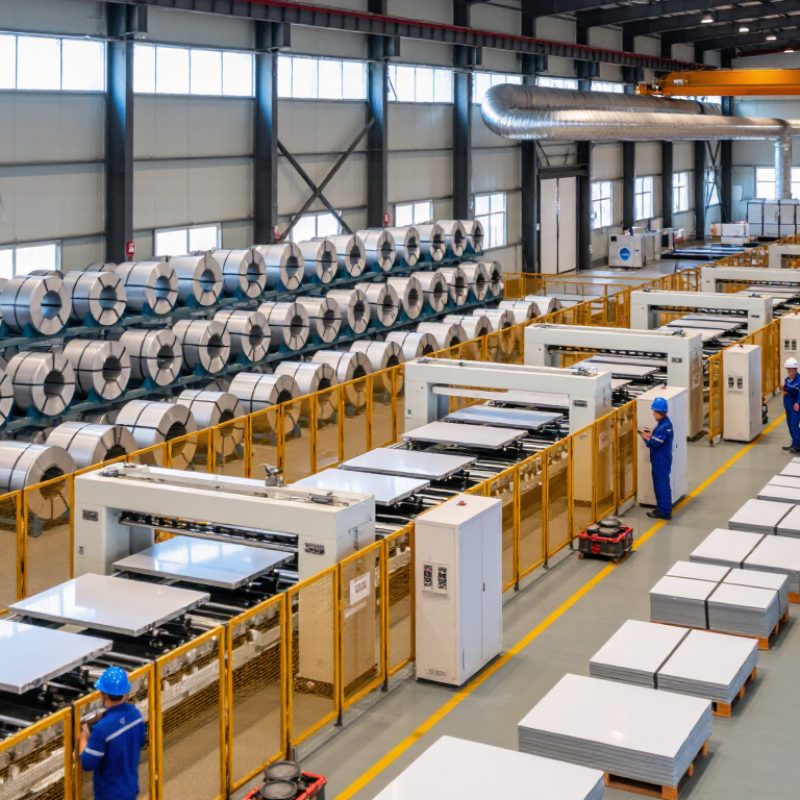
A 0.5 mm aluminum skin usually offers better impact resistance and edge stability than thinner skins. However, buyers should confirm whether the measurement applies to one skin or both skins. Specifications can sound clear but remain incomplete. A dependable factory should provide production samples, coating information, dimensional tolerances, and recent test records. It should also explain how panels are inspected during core bonding and continuous lamination. Batch traceability is important when panels arrive in different containers or production lots.
For a 3 mm panel, weight and easy fabrication may suit signs, interior walls, and decorative features. A 4–6 mm panel can provide more stiffness for larger façade areas, especially where wind pressure affects panel movement. Still, design conditions must be checked by qualified professionals. I would not select a factory from a sample alone. A glossy surface can hide weak bonding, uneven thickness, or poor protective film application. Requesting a small trial order may reveal more than a polished sales presentation.