











Choosing reliable Dog Food suppliers in 2026 requires more than comparing prices and attractive packaging. Global buyers must examine product safety, ingredient traceability, manufacturing capacity, and export experience. A dependable supplier should provide clear specifications, batch records, laboratory results, and responsive communication. These details matter when one delayed shipment affects thousands of retail units.
This guide focuses on suppliers serving international markets, including private-label manufacturers and established pet food producers. It considers wet food, dry kibble, treats, and specialized formulas. Buyers should review production facilities, quality-control procedures, minimum order quantities, and packaging options. A factory tour, whether physical or virtual, can reveal important details, such as clean storage areas, organized testing stations, and properly sealed ingredient containers.
Certificates help, but they are not the whole story. Their validity, scope, and issuing organization require careful checking. Import rules also differ between countries, so local veterinary and food authorities should be consulted before ordering. Supplier rankings can change as capacity, ownership, or compliance records change. That is an uncomfortable reality.
Experience still matters.
A strong supplier may explain ingredient sourcing without vague promises. It should also respond clearly when a product complaint occurs. Buyers should request samples, verify shelf life, and test packaging under realistic transport conditions. A carton that survives a warehouse may fail during humid sea freight. We acknowledge that no public comparison can replace an independent audit or professional regulatory review. This overview offers a practical starting point, not a guarantee.
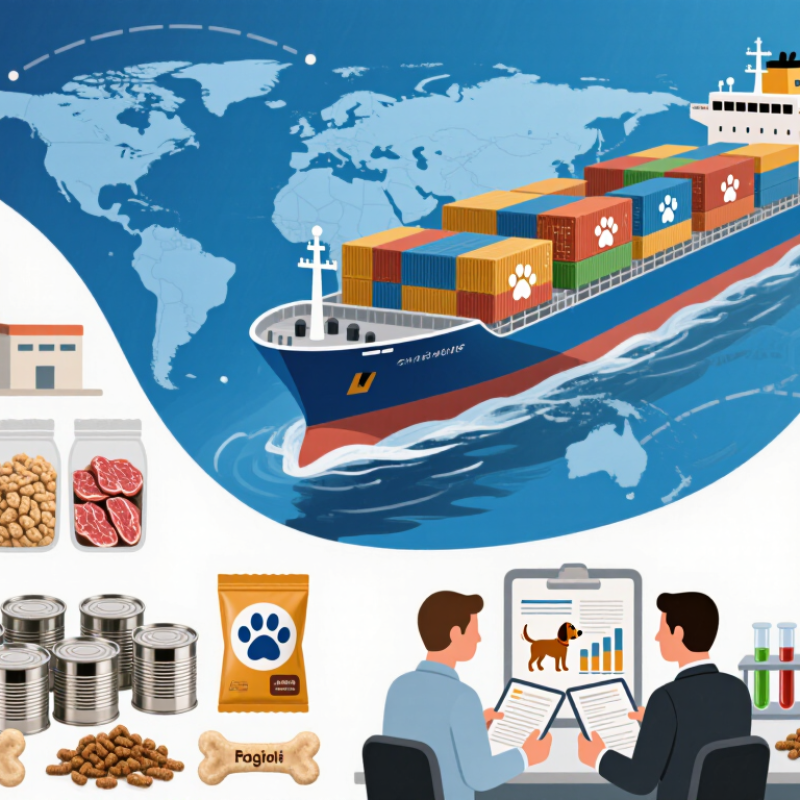
The global dog food supply market is becoming more specialized, measurable, and regionally diverse. Grand View Research valued the wider pet food market at approximately USD 120.79 billion in 2023, with projected growth of about 4.4% annually through 2030. Dog food remains a major category, supported by urban pet ownership, premium nutrition, and demand for convenient formats.
Regional differences matter. North America and Western Europe show strong demand for functional recipes, clearer ingredient sourcing, and smaller portion formats. Asia-Pacific is expanding through rising disposable income and growing pet ownership in cities. Euromonitor International also identifies premiumization and health-focused products as important global drivers.
However, market forecasts vary because researchers define pet food categories differently. Buyers should compare methods, not only headline figures.
Supplier evaluation now requires more than price checks. A reliable exporter should provide batch records, ingredient specifications, laboratory testing, shelf-life evidence, and transparent production capacity. Review the details. A low quoted price may exclude packaging changes, port charges, or compliance testing. Suppliers serving multiple regions may offer stronger documentation, but this does not guarantee consistent quality. Request production samples, inspect facility controls, and verify shipment performance before signing long contracts. Sustainability claims also need evidence, such as packaging data or audited sourcing records. Mistakes happen. Good procurement planning leaves room for them.
International buyers should evaluate dog food suppliers through documented performance, not polished catalogues. Ask for facility certifications, ingredient specifications, production records, and recent independent laboratory results. Testing should cover nutrients, microbiological safety, contaminants, and shelf-life stability. A reliable supplier explains testing frequency and shares corrective actions when results fail.
Traceability must work at batch level. One code should connect raw materials, production dates, packaging, and shipment records. Request a realistic mock recall before signing a contract. The supplier should identify affected cartons quickly and provide clear evidence.
Check export experience, customs documents, labeling accuracy, and destination-country requirements. Small errors can delay a container for weeks.
Visit the facility when possible. Observe sealed ingredient bins, temperature controls, pest prevention, and cleaning routines. Speak with the quality manager, not only the sales team. Formulation expertise also matters. Recipes should match life stage, size, nutritional needs, and feeding guidance. Ask how ingredient substitutions are approved.
Suppliers should answer technical questions directly and report changes early. Review minimum order quantities, lead times, packaging strength, payment terms, and backup production capacity. A low price may hide weak controls or unstable sourcing. My own review process would still include independent verification, because supplier documents can become outdated. No checklist is flawless. The strongest partnerships combine transparent evidence, consistent production, and careful follow-up.
Global buyers usually compare suppliers by product category, not price alone. Dry kibble remains popular because it stores easily and ships efficiently. Wet food offers higher moisture and often comes in cans, trays, or pouches. Freeze-dried meals provide lightweight nutrition, but they may require careful handling and clearer feeding instructions.
Treat suppliers typically offer training bites, dental chews, and limited-ingredient snacks. Functional products may include formulas for digestion, skin support, or weight management. These claims need reliable testing and suitable documentation. Some manufacturers also provide private-label services, custom recipes, printed packaging, and flexible minimum order quantities. Small buyers should ask about trial batches.
A dependable supplier should show ingredient traceability, batch records, laboratory testing, and relevant food-safety certifications. Packaging must protect products from heat, moisture, and crushing during long transport. Import rules also differ by destination, so buyers should verify labeling and registration requirements locally. In practice, attractive samples can hide inconsistent texture or late delivery. I would request recent production samples, not only a polished catalog. Mistakes happen. A clear complaint process matters. Supplier audits, transparent communication, and realistic lead times often reveal more than sales promises.
Importing dog food in 2026 requires more than comparing prices. Buyers need evidence that each shipment is safe, traceable, and legally accepted at destination. FEDIAF’s 2024 Facts & Figures report counted about 139 million pet-owning households in Europe, showing the scale of this market. Demand is large, but compliance mistakes can delay containers and damage trust.
Ask suppliers for ingredient specifications, laboratory results, allergen controls, and batch-level traceability. Review HACCP plans, ISO 22000 certification, and manufacturing permits, but do not treat certificates as complete proof. European imports may involve rules covering feed labeling, animal by-products, and nutritional claims. U.S.-bound shipments commonly require FDA facility registration and preventive controls under FSMA. Labels should match the destination language, feeding instructions, net weight, lot code, and shelf-life rules. Records matter. Small errors spread.
Tips: Request a recent certificate of analysis for protein, moisture, microbiological limits, and contaminants. Confirm whether testing is performed by an accredited laboratory. Check that the lot number connects the finished product to raw materials and production dates. The 2024 Global Pet Expo industry outlook also highlighted continued premiumization, yet premium packaging cannot replace verified quality. Buyers sometimes inspect documents too late, after selecting the lowest offer. That is an avoidable weakness. Build a pre-shipment review into the contract, and keep retained samples for independent checks. No checklist is perfect. Recheck changing regulations before every major order.
2026 Best Dog Food Suppliers for Global Buyers?
How to Select the Right Dog Food Supplier for Your Market
Choosing a dog food supplier requires more than comparing prices. Your market may demand specific recipes, package sizes, feeding claims, and language on labels. Check whether the supplier understands your destination’s pet food regulations. Ask for ingredient specifications, laboratory reports, production licenses, and traceability records. Reliable documentation should match the actual batch.
Request samples before signing a large agreement. Examine texture, smell, seal quality, and ingredient consistency. Ask how the supplier controls moisture, allergens, storage temperature, and shelf life. A professional supplier should explain its quality process clearly, not hide behind vague promises. Visit the facility when possible. Clean floors, labeled storage areas, and organized records reveal practical discipline.
Commercial details matter too. Confirm minimum order quantities, lead times, payment terms, packaging options, and shipping documents. A low price can become expensive after delays or damaged cartons. We once overlooked carton strength in a humid market. That mistake caused avoidable losses. So, test packaging under real warehouse conditions. No supplier is perfect. However, responsive communication and transparent corrective actions deserve serious attention. Review customer references from markets with similar climates, regulations, and purchasing habits. A supplier that adapts recipes responsibly may serve your market better than one offering the broadest catalog.


