2026 Top Sliding Glass Windows Trends Buyers Must Know
In 2026, the landscape of Sliding Glass Windows is evolving. These windows are no longer just practical; they are becoming design statements. Homeowners are seeking options that offer both aesthetic appeal and energy efficiency. The latest trends highlight innovative designs, features, and materials that enhance the functionality of sliding glass windows.
Sustainability is becoming a key focus. Many buyers are now prioritizing eco-friendly materials and energy-efficient options. New technologies are improving insulation, helping homes stay comfortable year-round. However, with so many choices, selecting the right features can be daunting. Some homeowners may overlook crucial factors like maintenance and durability.
The rise of smart home integration is another trend shaping buyer decisions. As technology advances, sliding glass windows can now include features like automated opening and closing. Yet, this raises questions about reliability and security. As we explore these trends, potential buyers must consider their unique needs and preferences carefully. The sliding glass window market is changing, and it is important to stay informed.
Key Factors Influencing the 2026 Sliding Glass Windows Market
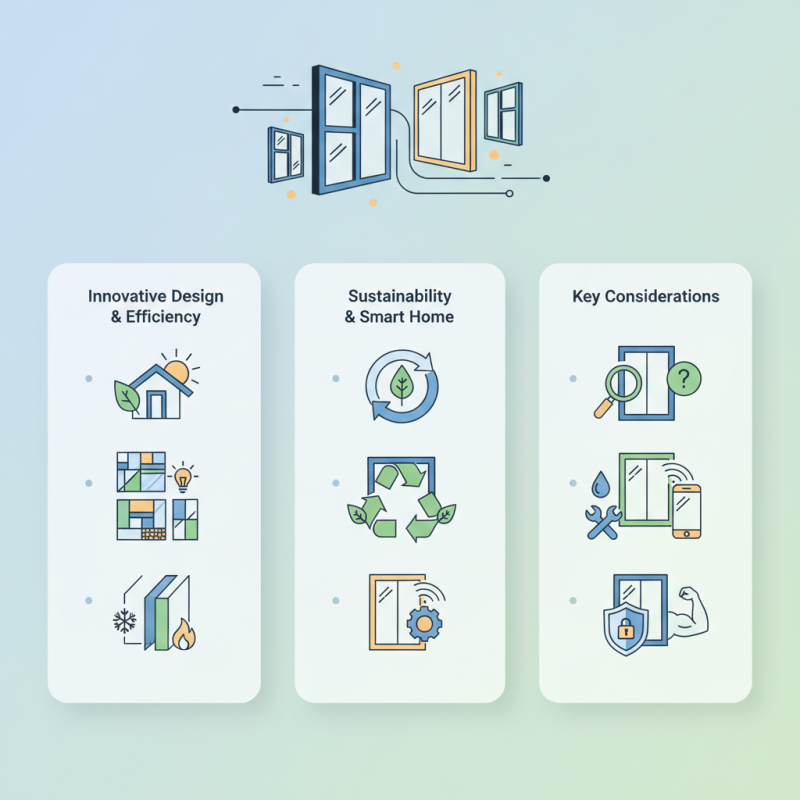
The sliding glass window market in 2026 is shaped by various key factors. One significant trend is the demand for energy-efficient designs. Homeowners are increasingly aware of their environmental impact. They seek windows that provide better insulation. This not only reduces energy costs but also enhances comfort.
Another influential element is the focus on aesthetics. People are looking for sleek, modern designs that blend seamlessly with their homes. The rise of minimalism has propelled the demand for unobtrusive frames. Color options, finishes, and styles are more diverse than ever. Customization is becoming a standard expectation rather than a luxury.
However, there are considerations to reflect upon. With the growing interest in bigger glass panels, structural integrity becomes critical. Balancing size and safety is essential. Additionally, the market faces challenges from fluctuating material costs. This may affect pricing strategies for buyers. It's imperative to research thoroughly before making decisions.
Innovative Materials for Enhanced Durability and Aesthetics
As we look towards 2026, sliding glass windows are evolving. Innovative materials are surfacing, enhancing both durability and aesthetics. Homeowners seek options that withstand the elements and enhance visual appeal. New composites merge strength with beauty. These materials resist scratches and UV damage, prolonging window life. Yet, the transition to these options requires careful consideration.
Glass alternatives like fiberglass and polycarbonate offer unique benefits. They are lighter and more energy-efficient. Some may struggle with manufacturing quality and performance consistency. It’s vital to research suppliers and verify claims. Over time, these materials could become industry standards. Still, the market is flooded with options, and not all might deliver the promised durability. We should remain vigilant about real-world performance.
Aesthetics also play a crucial role in these trends. Minimalist designs and frameless options are gaining attention. Homeowners desire expansive views and natural light. But local regulations might limit certain designs. Understanding these constraints is essential for many buyers. Exploring these innovative materials reveals a world of opportunities, yet it also invites critical reflection on practicality and authenticity.
Energy Efficiency Standards Shaping Consumer Choices in 2026
In 2026, energy efficiency standards will significantly influence consumer decisions regarding sliding glass windows. Homeowners are increasingly prioritizing windows that help reduce energy costs. The trend embraces technologies that enhance insulation and minimize air leakage. This focus promotes sustainability and lowers carbon footprints.
Tips for selecting energy-efficient sliding glass windows include looking for the ENERGY STAR label. Additionally, reviewing the U-factor and Solar Heat Gain Coefficient is essential. These ratings will indicate how well the window maintains indoor temperatures and minimizes heat transfer.
As consumers become more informed, they seek windows that combine energy efficiency with style. Many overlook the importance of proper installation. Poorly fitted windows can nullify efficiency gains. It’s crucial to assess installation methods or hire professionals. Balancing aesthetics and functionality is key in today’s market.
2026 Top Sliding Glass Windows Trends Buyers Must Know - Energy Efficiency Standards Shaping Consumer Choices in 2026
| Trend | Description | Energy Efficiency Standard | Estimated Impact on Buyers |
| Triple Glazing | Adoption of triple-glazed windows to enhance thermal efficiency. | U-value < 0.17 W/m²K | 92% of buyers prioritize thermal insulation. |
| Smart Glass | Integration of dynamic glass technology for solar control. | Solar Heat Gain Coefficient (SHGC) < 0.25 | 85% of buyers interested in smart home integrations. |
| Recyclable Materials | Use of recycled content in frame materials. | Minimum 25% recycled content | 78% of eco-conscious buyers favor sustainable options. |
| Enhanced Security Features | Windows with advanced locking systems for safety. | Meets and exceeds industry-standard security ratings | 90% of buyers consider security a top priority. |
| Aesthetic Customization | Options for custom colors and finishes to match home decor. | Compliance with color fidelity standards. | 67% of buyers want personalized designs. |
Design Trends: Modern Styles for Sliding Glass Window Installations
The design landscape for sliding glass windows is evolving rapidly. A recent industry report indicates that over 55% of homeowners prioritize modern styles when selecting windows. This trend emphasizes sleek lines, minimalist frames, and an abundance of natural light. Large panels are becoming increasingly popular, allowing seamless transitions between indoor and outdoor spaces. These preferences align with the growing demand for open-concept living.
Homeowners are also becoming more eco-conscious. Energy-efficient glass options are predicted to represent 40% of all sliding window sales by 2026. Features like low-emissivity coatings can improve insulation. Integrating technology is another key trend. Smart windows that tint automatically or open with an app are gaining traction. However, many buyers are still unaware of the potential complexities in installation.
Aesthetic preferences vary widely. Some users prefer bold, industrial looks, while others lean towards softer, organic finishes. There is an ongoing challenge to balance these preferences with budget considerations. As the market grows, it’s crucial to remain informed about innovations. Buyers must also reflect on their specific needs and contexts. This ensures that their choices enhance the overall design and functionality of their spaces.
Smart Home Integration: The Future of Sliding Glass Windows
The integration of smart home technology is reshaping the market for sliding glass windows. Homeowners now seek windows that not only provide aesthetics but also enhance functionality. Imagine a sliding glass window that opens automatically at your command or adjusts tint based on sunlight. This is not just a dream; it’s becoming a reality.
Smart sliding glass windows can connect to home automation systems. They can communicate with security systems to lock or unlock when needed. Energy efficiency is another vital aspect. These windows can be programmed to close during extreme weather, reducing energy costs. However, this technology is not without challenges. Compatibility issues with existing home systems may arise.
As trends evolve, so do consumer expectations. Buyers desire windows that offer convenience, security, and energy savings. However, understanding the right technology is crucial. The abundance of options can be overwhelming. It’s essential to stay informed and weigh the pros and cons realistically. Embracing these innovations means adapting to new ways of living, which can be both exciting and daunting.